Health Benefits and Toxic Effects of The Crown Flower
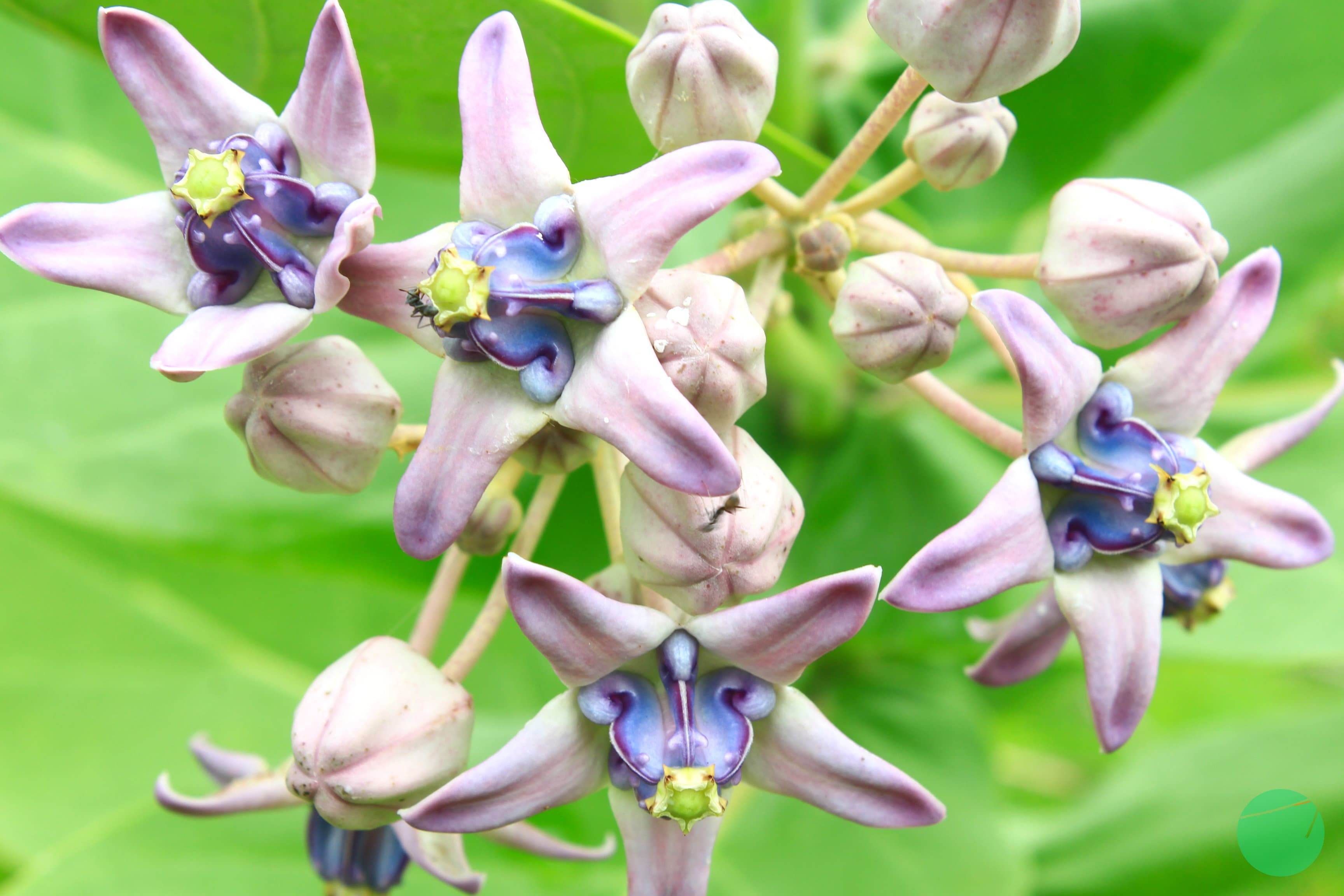
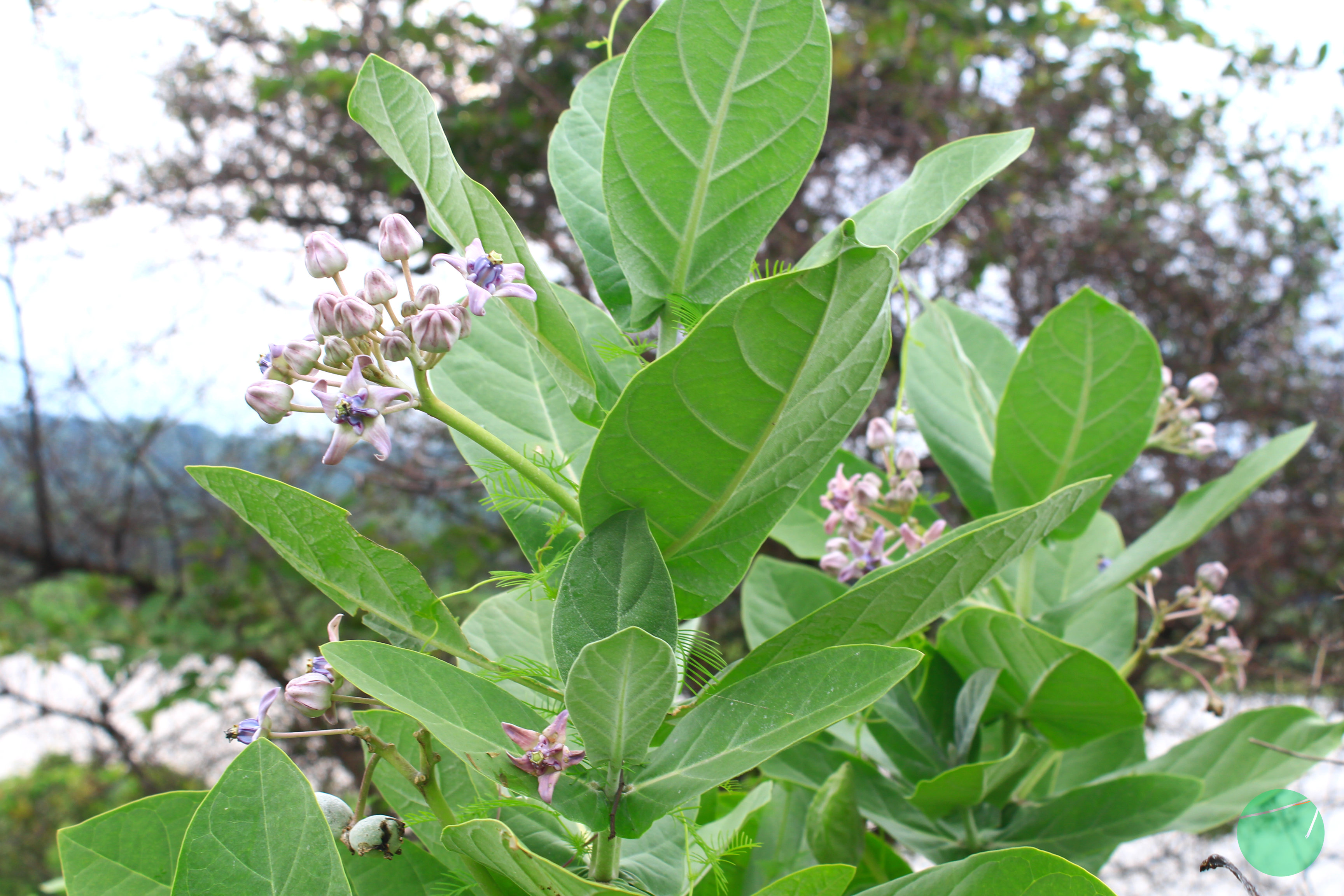
Calotropis gigantea, better known as crown flower, is a shrub that can grow up to 4 meters tall. This plant has upright, branching stems with a cylindrical shape containing a milky white sap.
Its umbrella-shaped flowers grow in the leaf axils. The corolla is an oval, white flower with a diameter of approximately 4 to 4.5 cm.
This plant is known to be native to Indonesia and several other Asian countries, including Myanmar, the Philippines, Cambodia, Vietnam, Malaysia, Thailand, Sri Lanka, Bangladesh, Pakistan, Nepal, and China. In Indonesia, the plant can be easily found in the Cirebon area, especially around Lake Setu Patok in the Mundu sub-district.
In many cultures and traditions, this plant is known to have numerous uses and medicinal properties. These include helping treat various disorders related to the central nervous system, skin diseases, digestive system, respiratory system, and reproductive system.
Indigenous peoples have made this plant a part of their lives, using its fruit fibers to make rope, household tools, and weave clothing. The flowers are used to decorate wreaths.
Most of the uses of thistle have been validated by scientific studies, including analgesic, anti-rheumatic, anti-asthmatic, antibacterial, anti-convulsant, anti-pyretic, anti-inflammatory, anti-inflammatory, and wound healing properties (Kadiyala et al., 2013). Furthermore, other studies have reported its anti-diabetic, anti-diarrheal, anti-helminthic, anti-histamine, anti-inflammatory, anti-microbial, anti-oxidant, cardioprotective, cytotoxic, hepatoprotective, fibrinolytic, anti-mosquito, neuromuscular, vasodilatory, and skeletal muscle activity.
However, its use as a medicinal ingredient requires caution because thistle contains toxins in several parts of the plant, such as the stem, branches, leaves, and milky white sap. The poison from this plant is believed to be acute and can have fatal effects on the body such as lesions or bruises, severe conjunctivitis and burning pain in the throat and even death if consumed.
Bibliography
Kadiyala, M., Sivasankaran Ponnusankar, & K Elango. (2013). Calotropis gigantiea (L.) R. Br (Apocynaceae): A phytochemical and pharmacological review. Journal of Ethnopharmacology, 150(1), 32--50. https://doi.org/10.1016/j.jep.2013.08.045