Green Project
A field-based plant documentation project focusing on local knowledge, ecological observation, and cultural history of plants in Indonesia.
Search
Category
Location
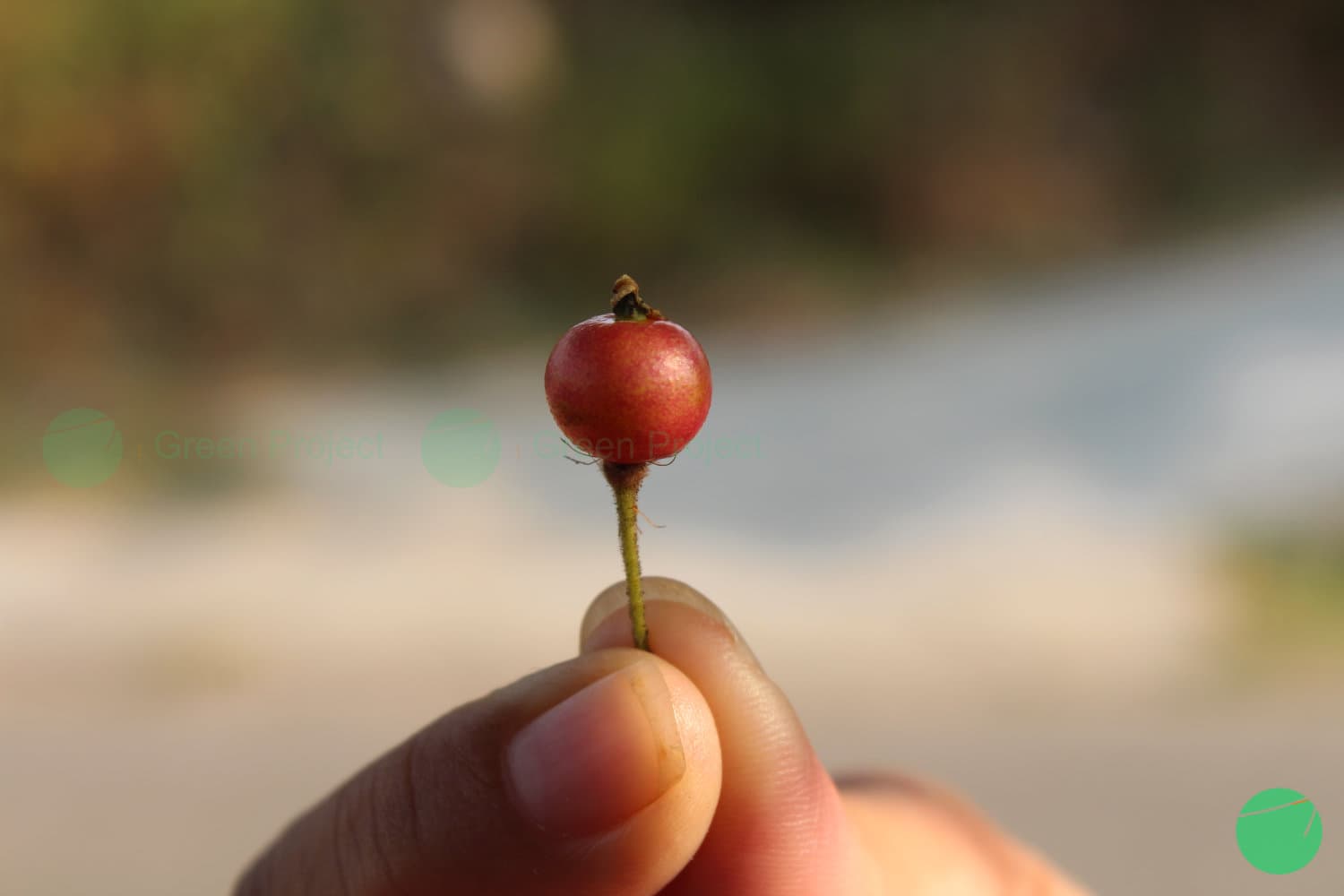
Potential Benefits of Cherry for Managing Diabetes
It is important to note that cherry, particularly its leaves, contain many compounds that may benefit health.

More Articles
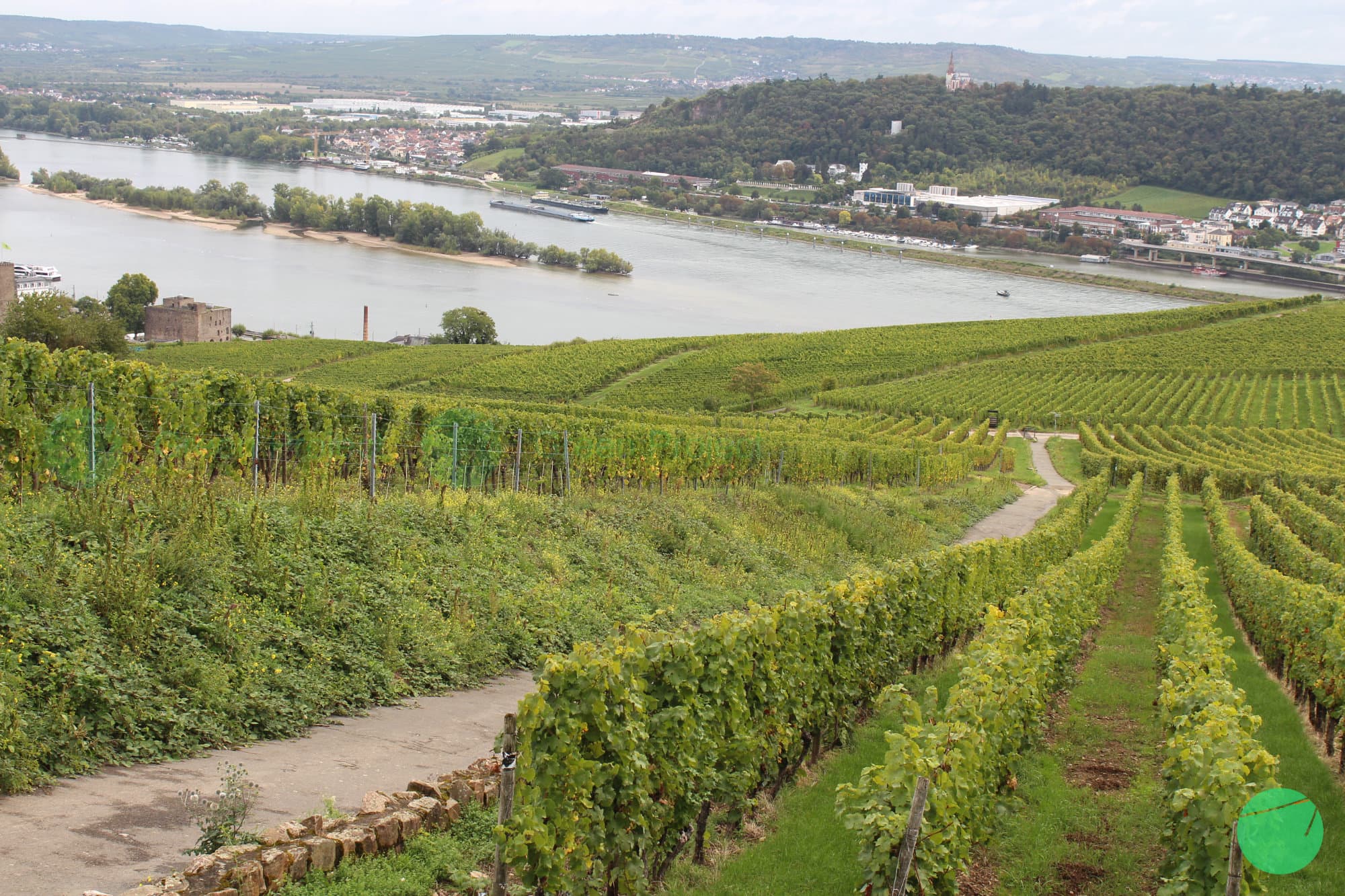
Rüdesheim am Rhein: Cultural Landscape and Ecological Dynamics Along the Rhine River
Beyond their spiritual function, these institutions historically played a role in land management and agricultural production, including vineyards. On a broader level, religious networks contributed to shaping social and economic structures that later developed alongside expanding trade systems and colonial expansion.
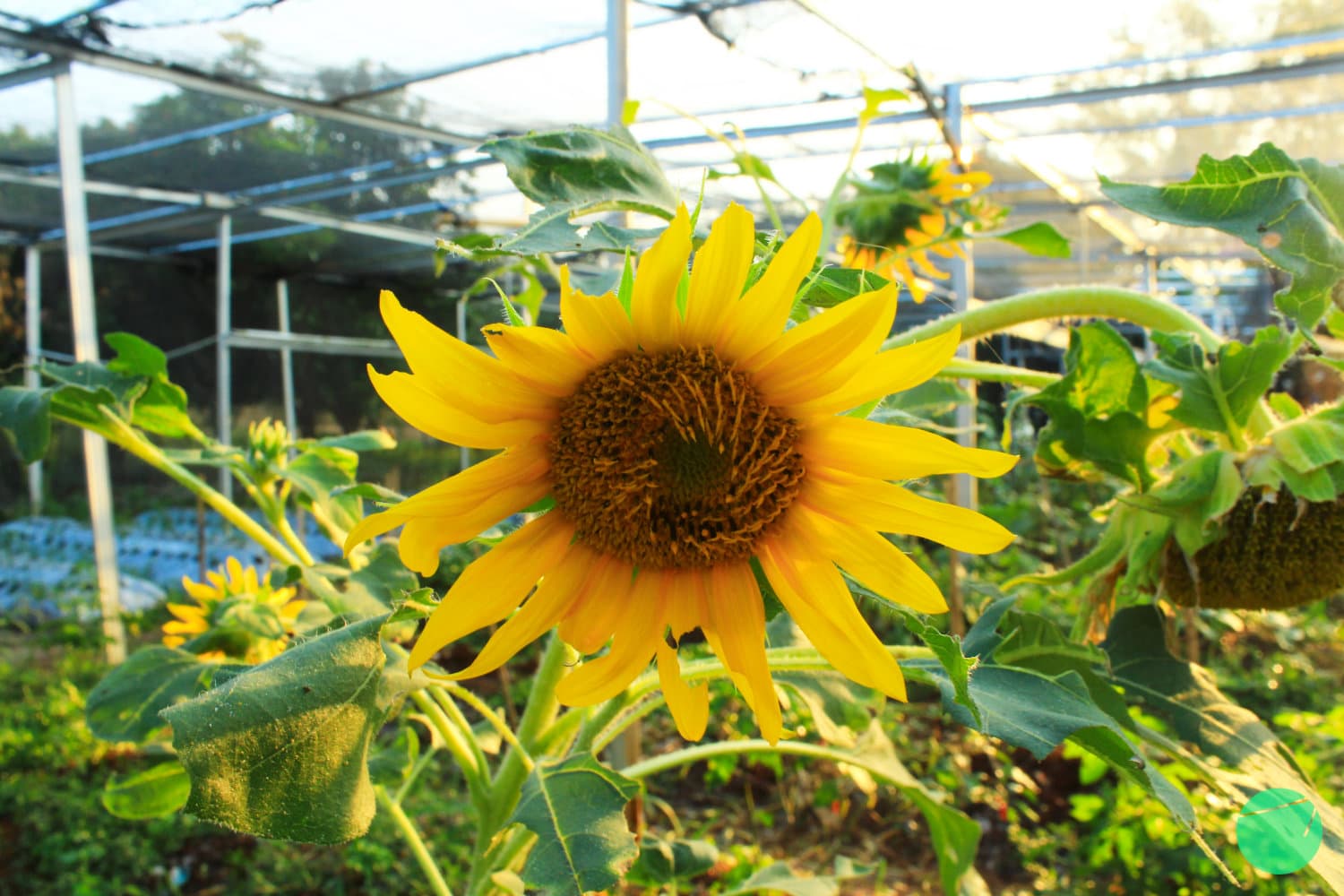
Sunflower (Helianthus annuus L.)
Sunflower oil is used both for cooking and in industry, for example as a base ingredient for paint, soap and lubricants.
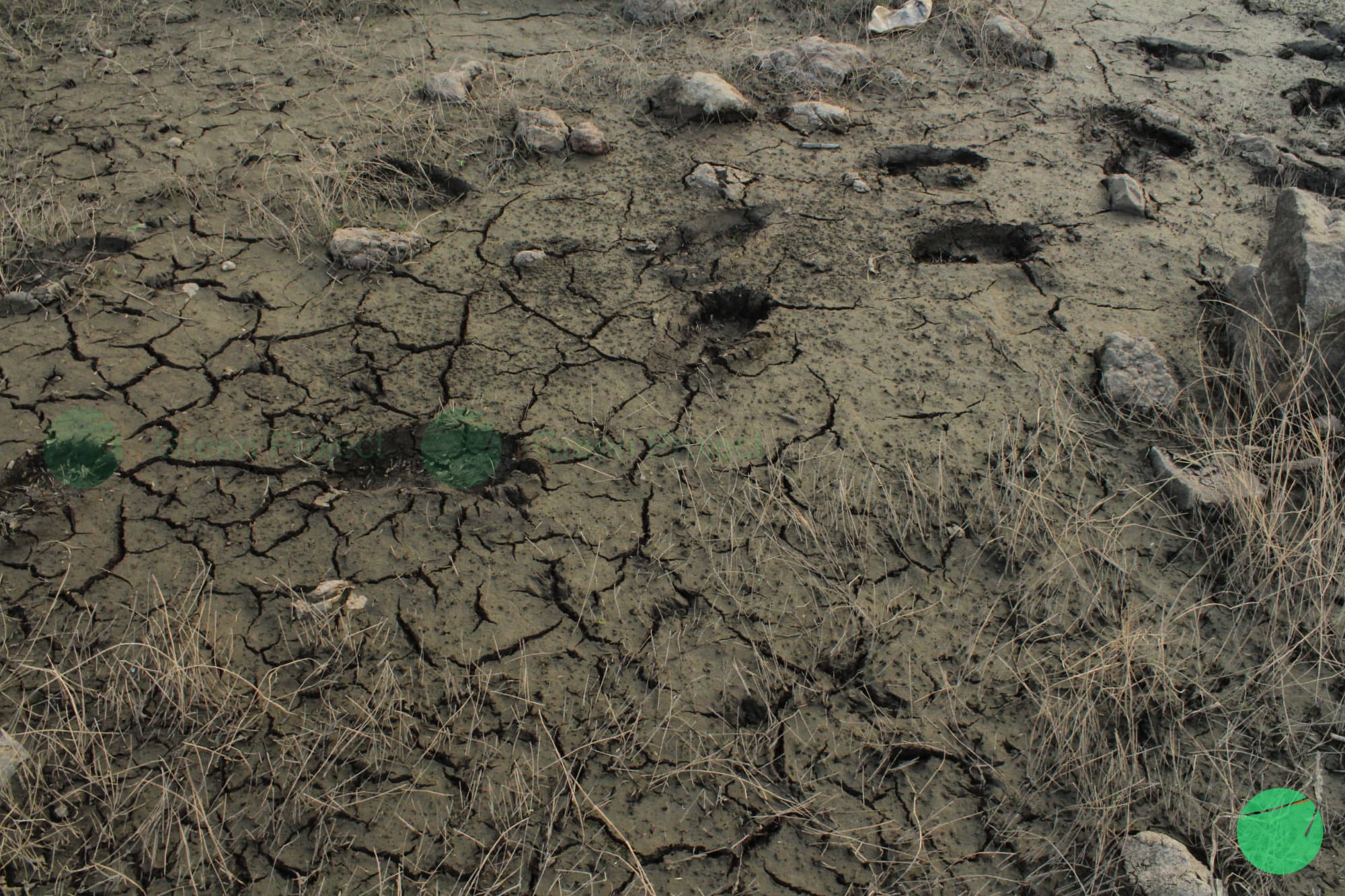
5 Steps to Mitigate and Prevent Drought Disasters
Drought is particularly felt because its impact is not only felt on the survival of the community but also on the continuity of the agricultural industry which essentially requires water as one of the main elements in every production activity in the agricultural industry.
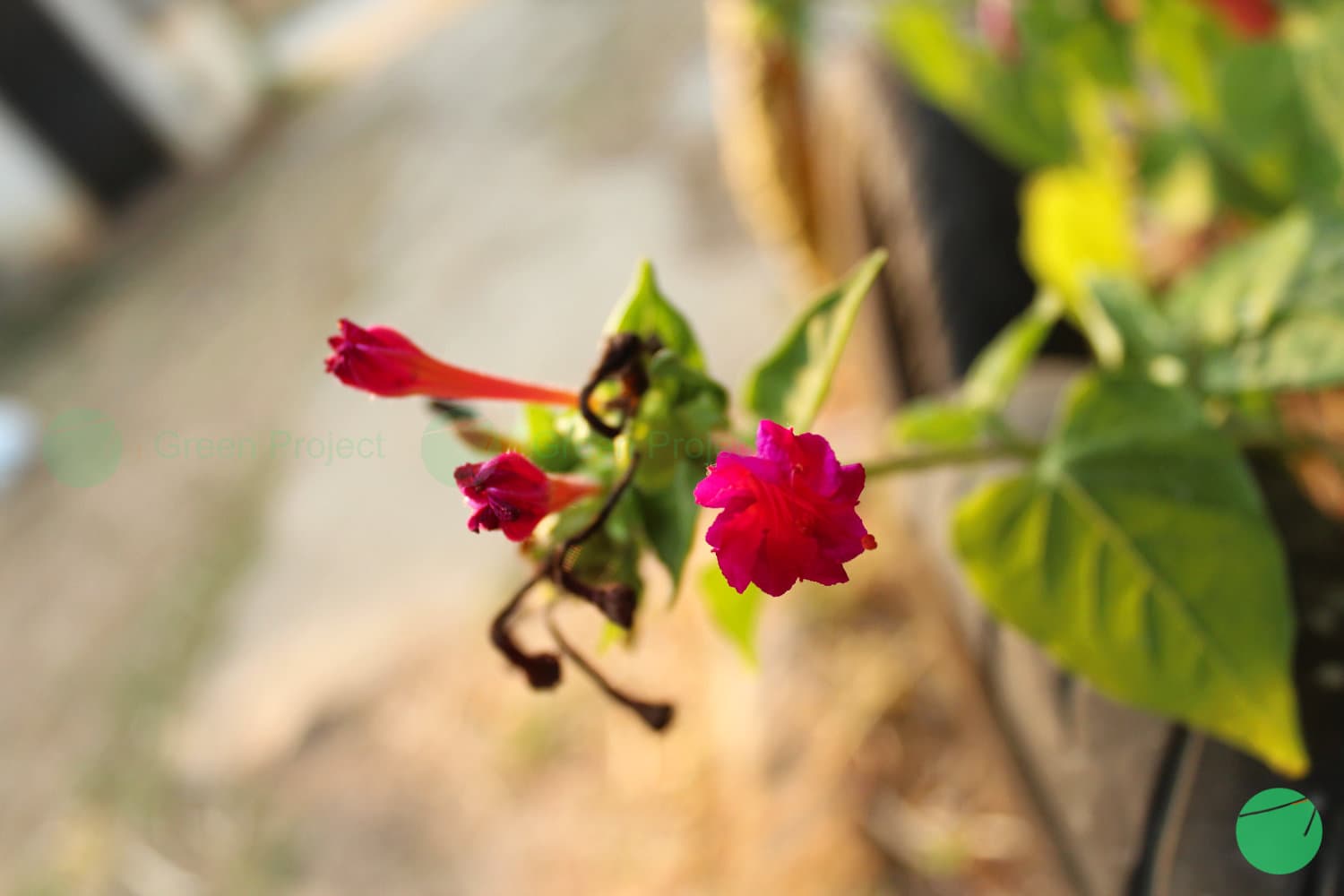
Marvel of Peru (Mirabilis jalapa)
Apart from being used as an ornamental plant, four o'clock flowers are also used as cosmetic powder, beads, magical amulets and as a dark red dye.
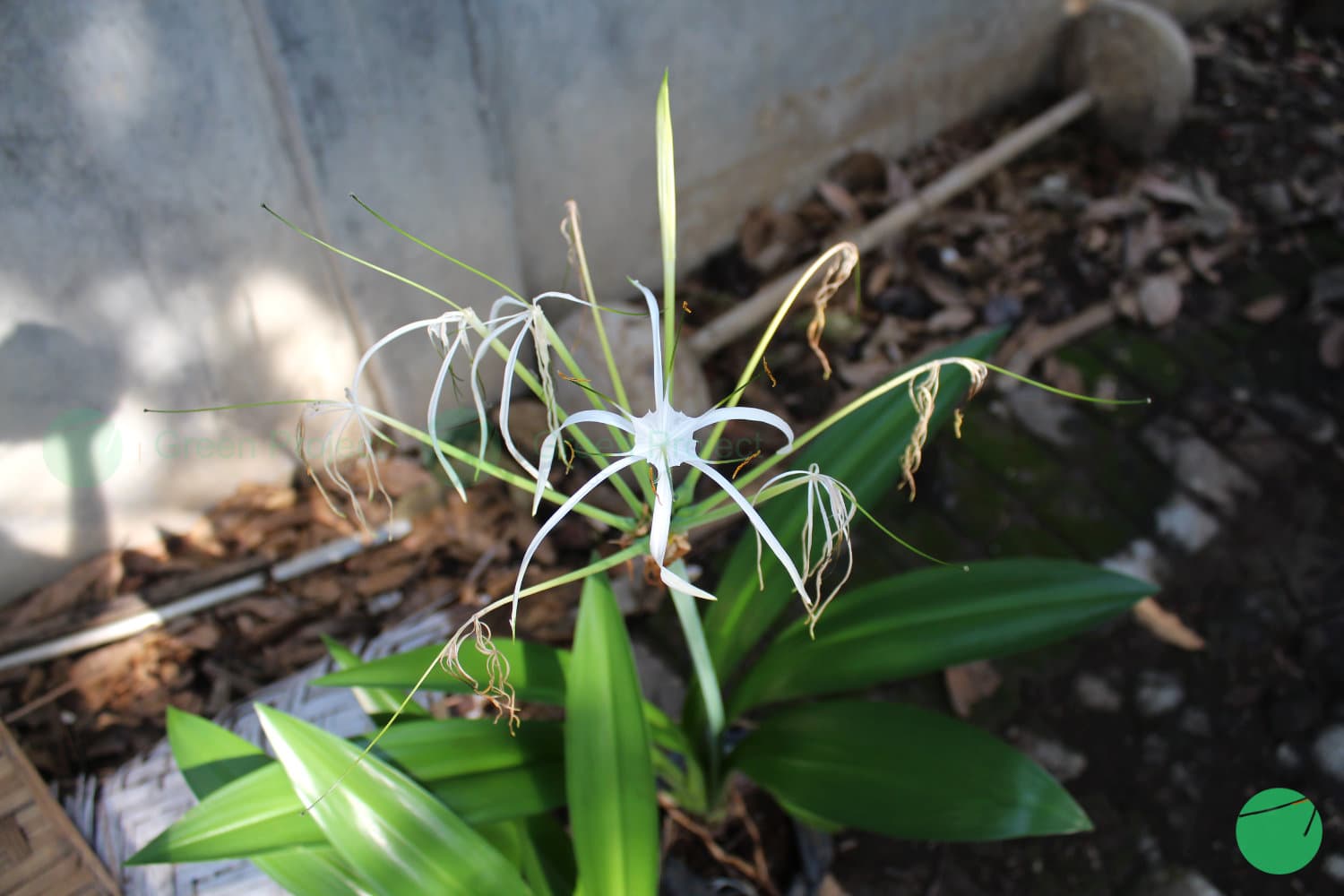
Spider Lily (Hymenocallis littoralis)
In Malaysia, spider lilies are used as a medicinal ingredient in traditional medicine for wound healing through methanol sonication extracts found in the bulbs, flowers, roots, anthers and stems of the plant.
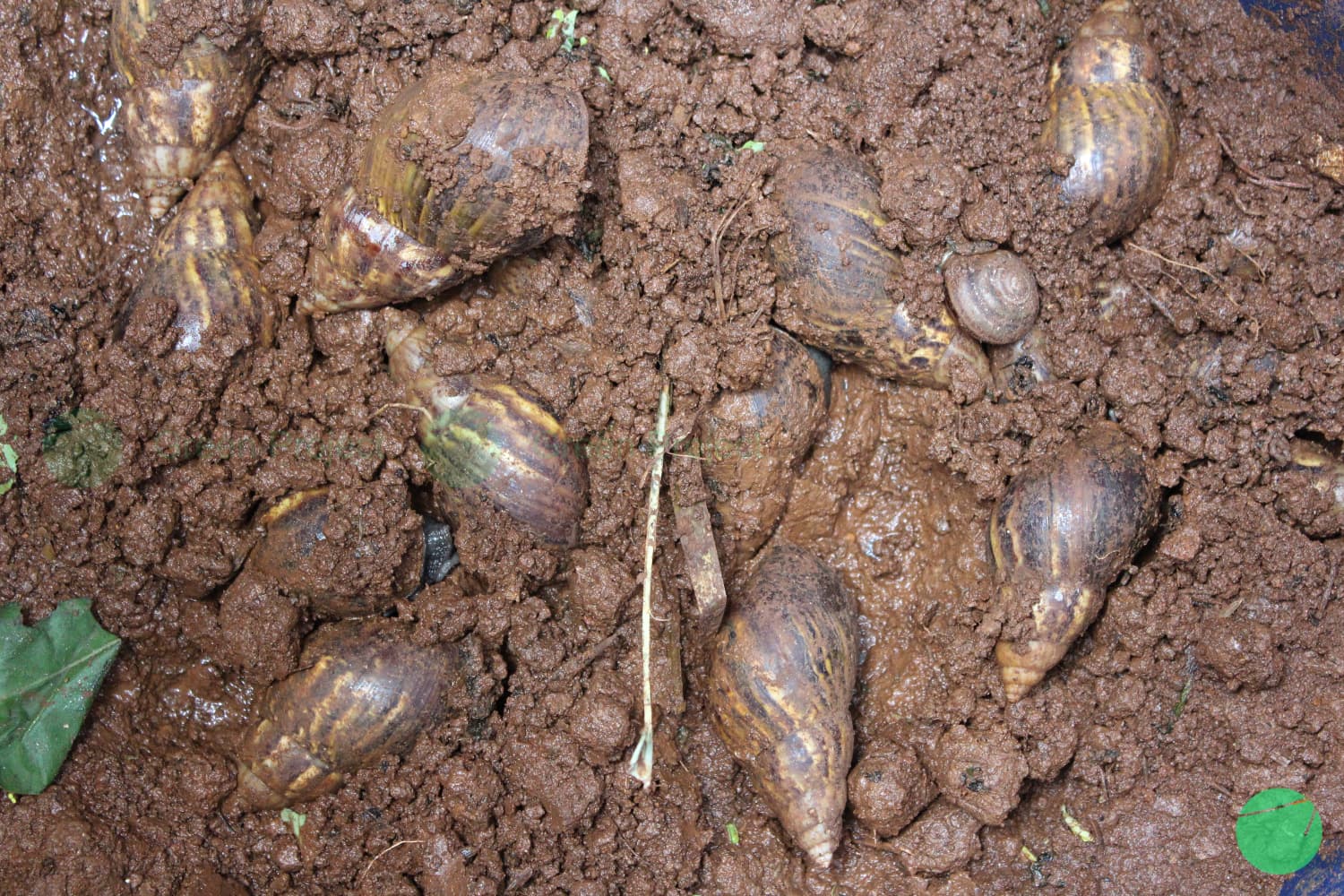
African Giant Snail (Achatina fulica Bowdich 1822)
African giant snails contain many amino acids and are rich in vitamin B complex, minerals, calcium and high phosphorus. It is believed to be an alternative ingredient for animal feed.
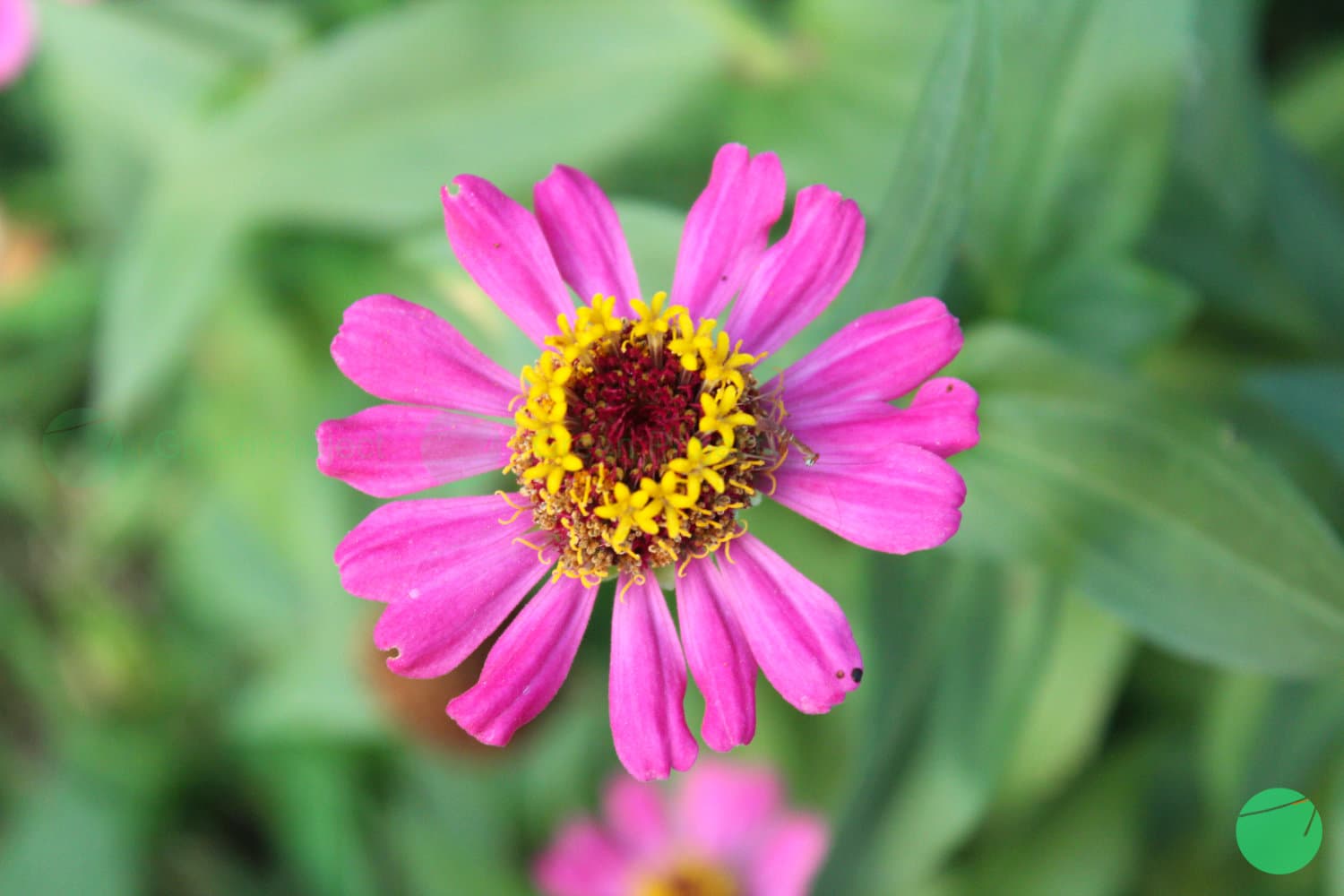
Common Zinnia (Zinnia elegans)
The common zinnia is a plant native to Mexico. Its seeds were first brought to Europe in the 18th century AD.
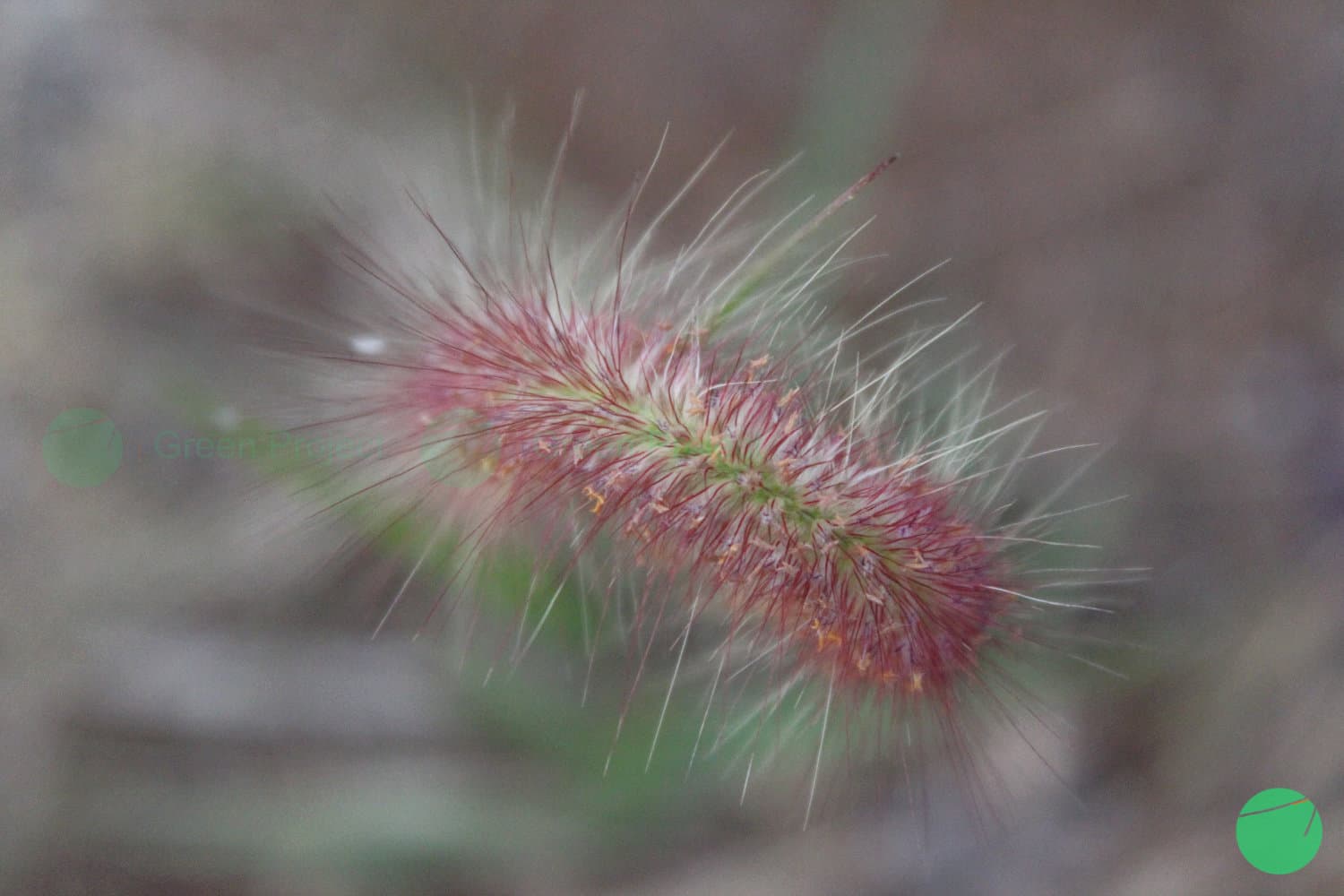
5 Plants That Can Be Used as a Source of Animal Feed
In Indonesia, species of the genus Indigofera are widely used as feed for goats and as textile dyes, especially for batik cloth.
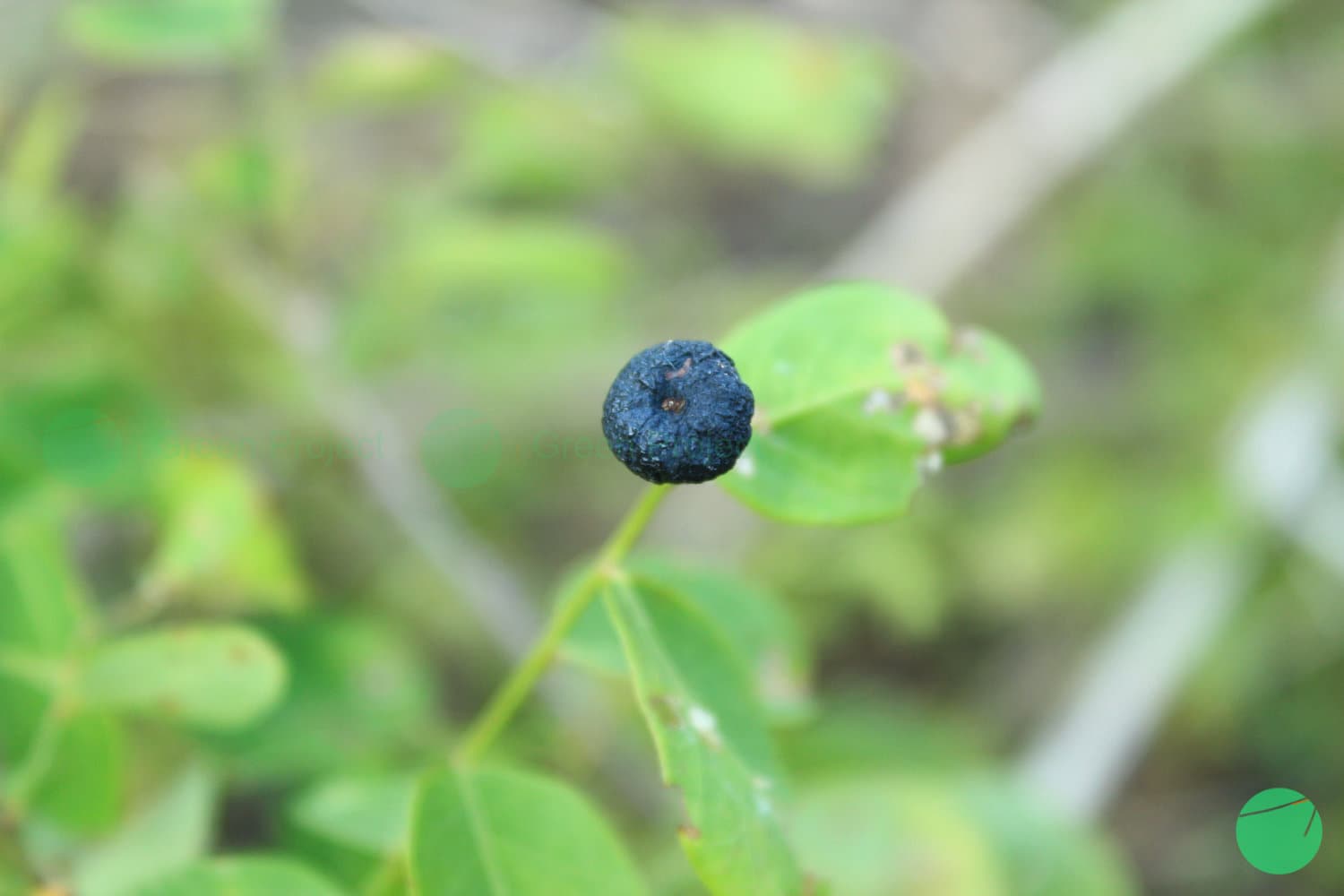
Black Honey Shrub (Phyllanthus reticulatus)
In traditional medicine as recorded in Ayurveda, this plant, especially its leaves, is widely used to treat malaria, diabetes, polio, measles, asthma, sore throat, snake bites, conjunctivitis, anemia, eye diseases, wounds, burns, bleeding gums, muscle spasms, worms, headaches, and abscesses.
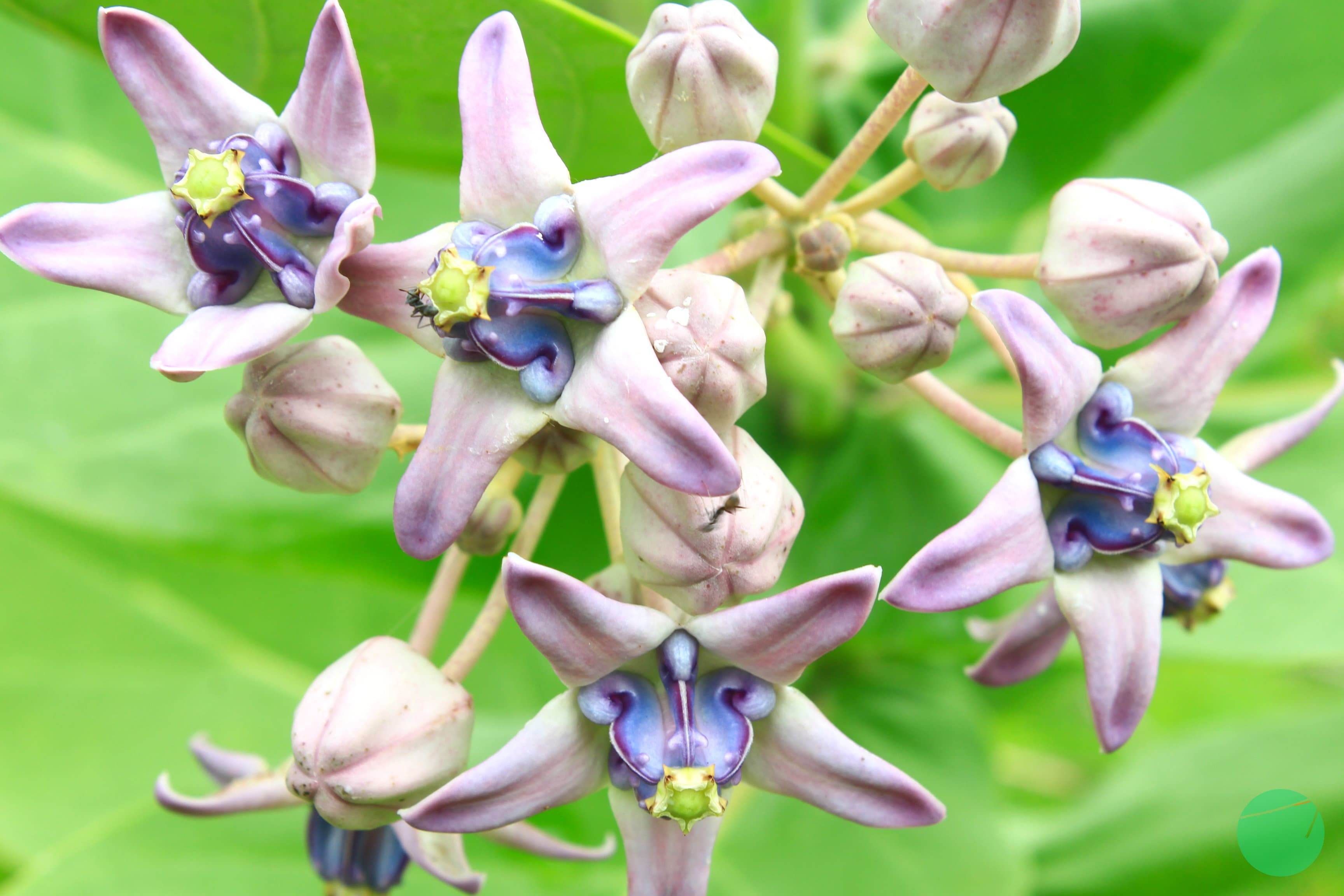
Health Benefits and Toxic Effects of The Crown Flower
In traditional medicine as recorded in Ayurveda, this plant, especially its leaves, is widely used to treat malaria, diabetes, polio, measles, asthma, sore throat, snake bites, conjunctivitis, anemia, eye diseases, wounds, burns, bleeding gums, muscle spasms, worms, headaches, and abscesses.
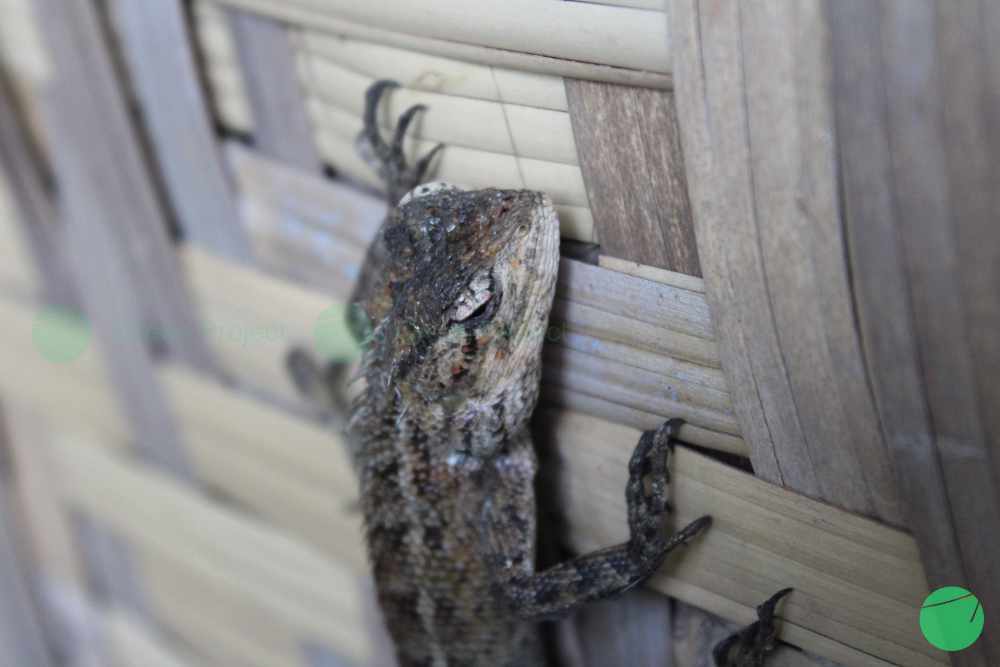
Oriental Garden Lizard (Calotes versicolor)
Other sources state that the garden chameleon is an animal originating from Thailand, with its spread to the Indonesian region possibly occurring because this animal species was released into the wild while being kept by humans.
Causes of Drought
Drought in its meaning can be interpreted as a state or condition in which there is a significant shortage of water in an area during a certain period of time.
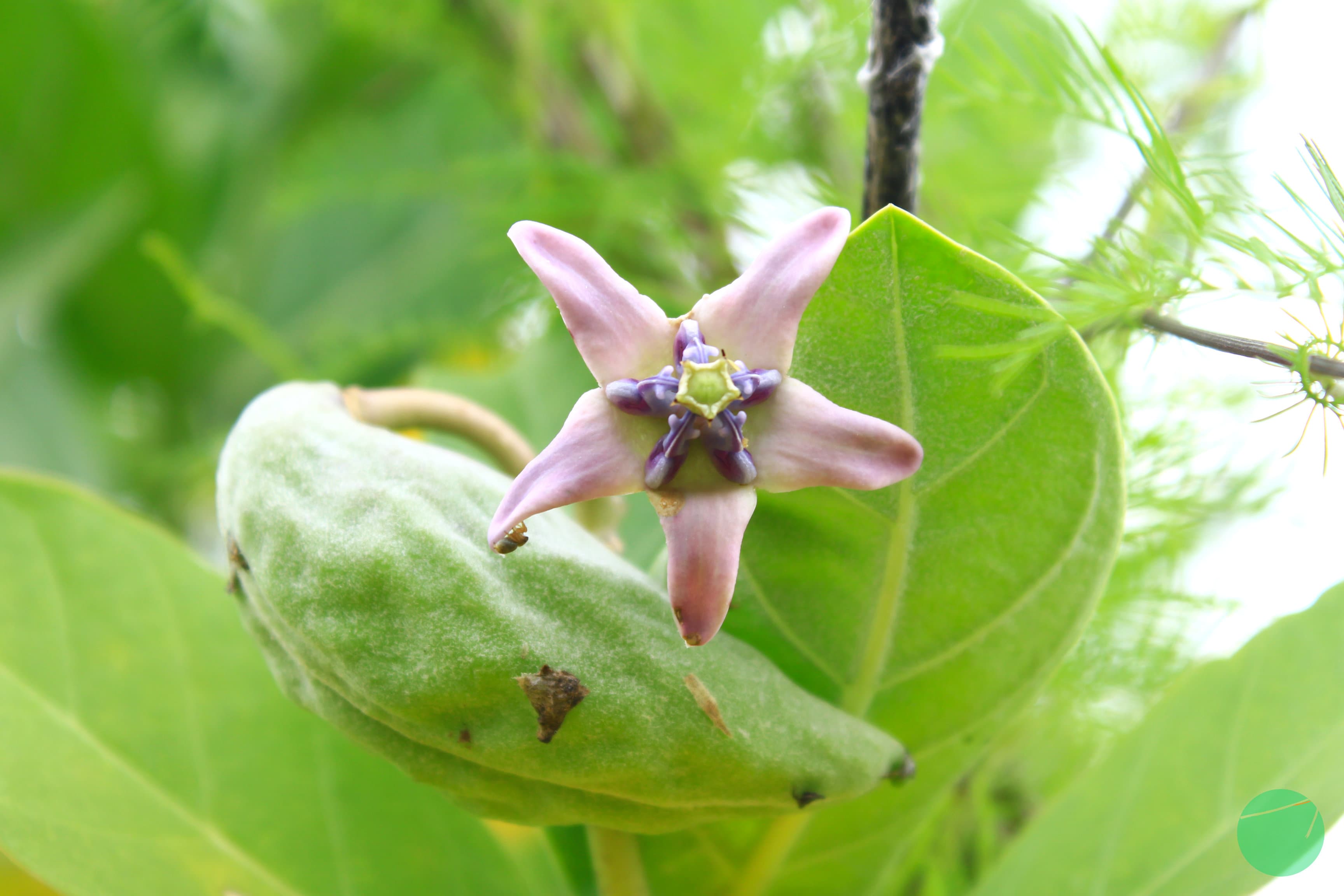
Crown Flower (Calotropis gigantea)
Crown flower, or Calotropis, can be classified as an acute toxin that may cause death. Its stems, branches, and leaves, when cut, crushed, or sliced, release a milky white latex that is poisonous.
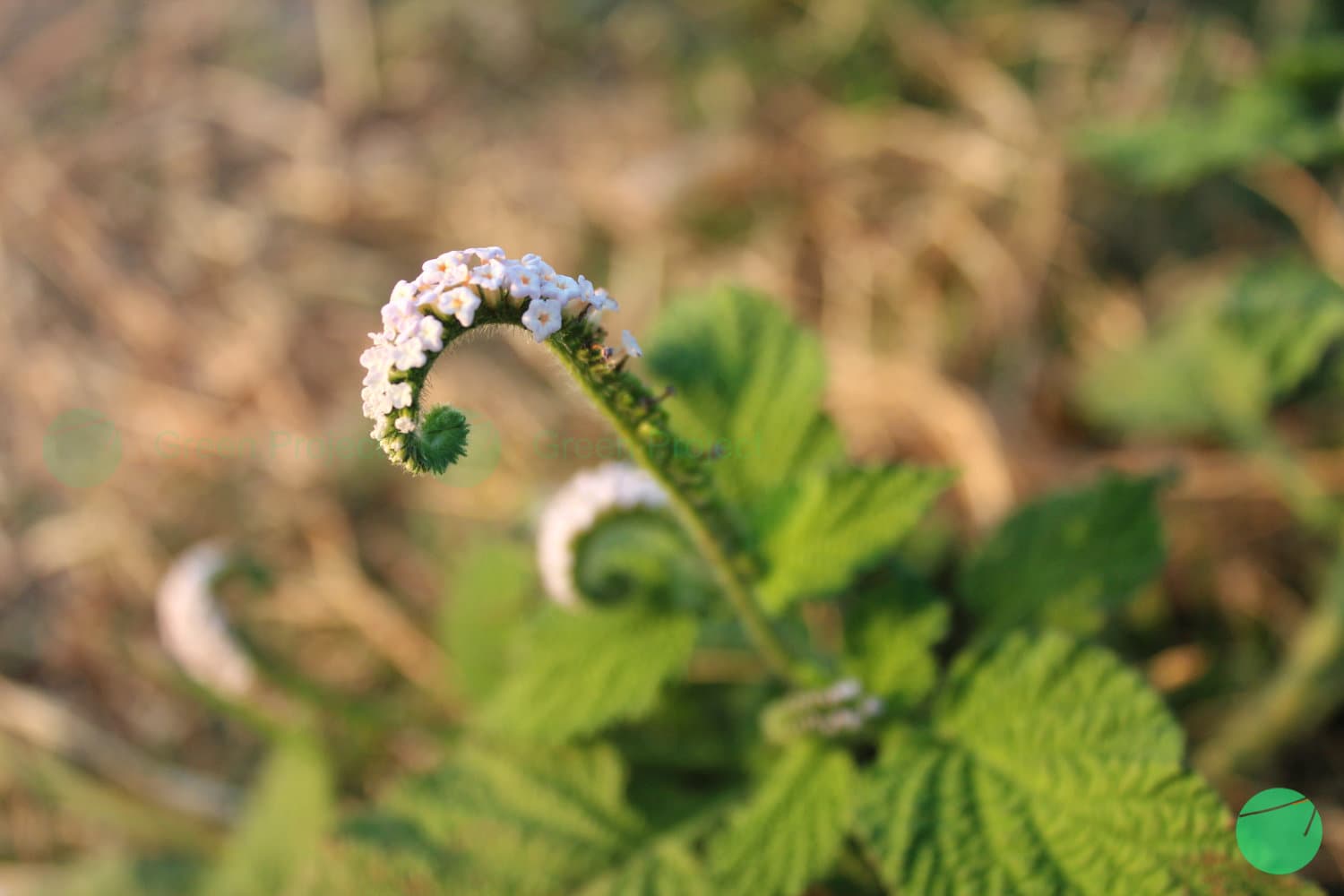
Indian Turnsole (Heliotropium indicum L.)
In traditional medicine, it is often used to treat various pathological disorders including wound healing, antidote for poison, broken bones, fever reducer, cure eye infections, menstrual disorders, nervous disorders, kidney problems, and antiseptic purposes.
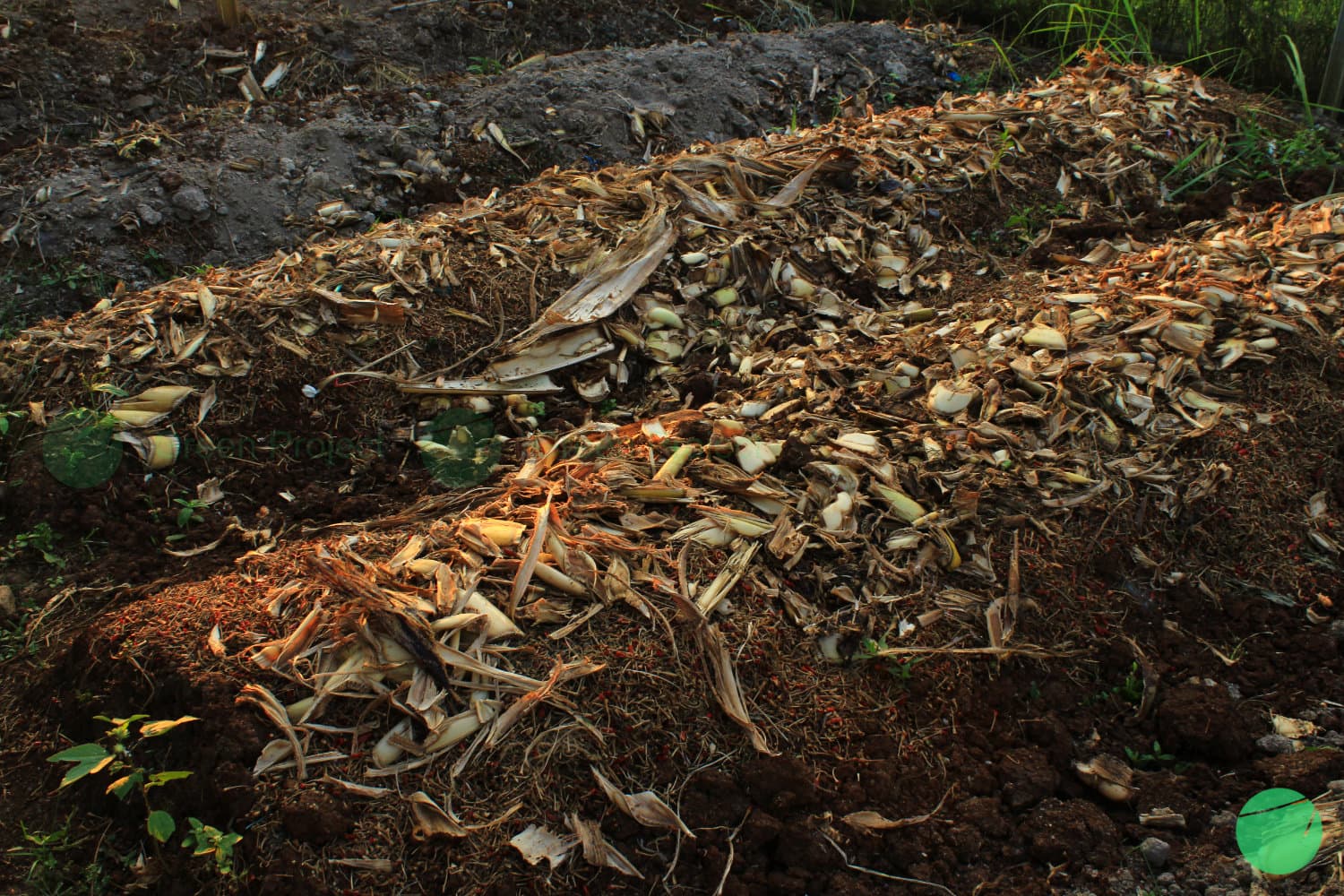
Several Waste Alternatives That Can Be Used as Materials for Making Organic Fertilizer
Through various studies, information was found that bananas contain several chemical compounds that are good for use as organic fertilizer.
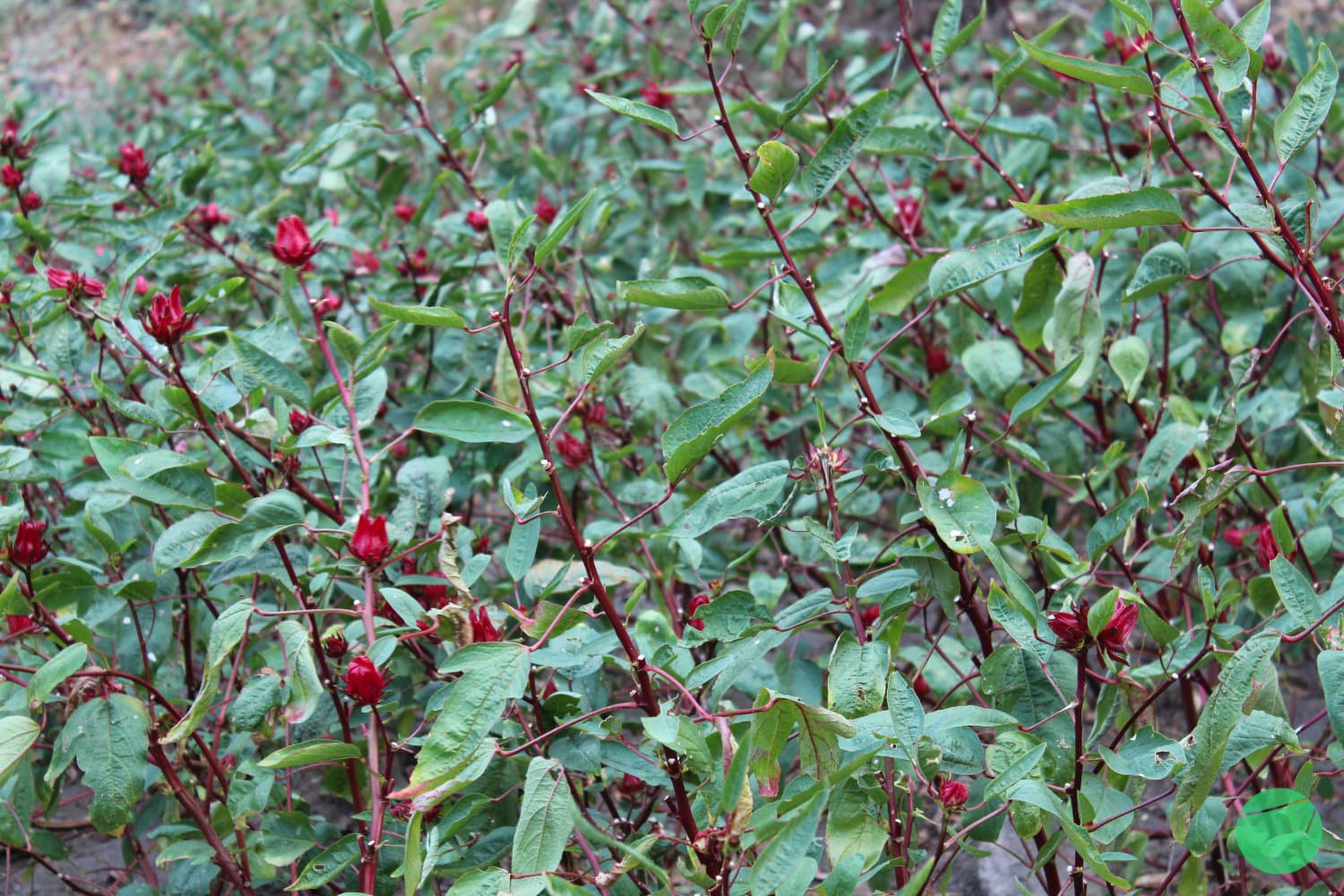
3 Other Benefits and Uses of Rosella
In many tropical regions, the red calyces of Hibiscus sabdariffa of the altissima variety are widely used for beverages, sauces, jellies, and sweets.