Several Waste Alternatives That Can Be Used as Materials for Making Organic Fertilizer
With the increasingly real threat of climate change, society seems to be increasingly aware of environmental issues. These environmental issues include global warming and its effects on the earth and its natural environment, pollution lurking in the depths of natural spaces such as air, soil, and sea, and food security.
People are increasingly aware of the need to reconnect with nature. Various preventative and mitigation measures have been implemented by individuals and collectively within communities. The use of organic fertilizers is also one of the easiest ways to do so.
As organic fertilizers are made from waste, the materials used not only offer economic benefits due to their relatively low cost but also serve as a way to recycle the vast amount of household and environmental waste. This article will describe several types of environmental and household waste that can be processed into organic fertilizers in compost or liquid form.
Banana Trunk
Bananas are a widely consumed fruit in Indonesia. Banana trees are also easily found in almost every corner of the country. They grow relatively quickly, taking only about 10 to 12 months from planting to harvest. However, banana trees only bear fruit once in their lifetime. This fact results in an extremely large amount of banana tree waste, necessitating a method for managing this waste.
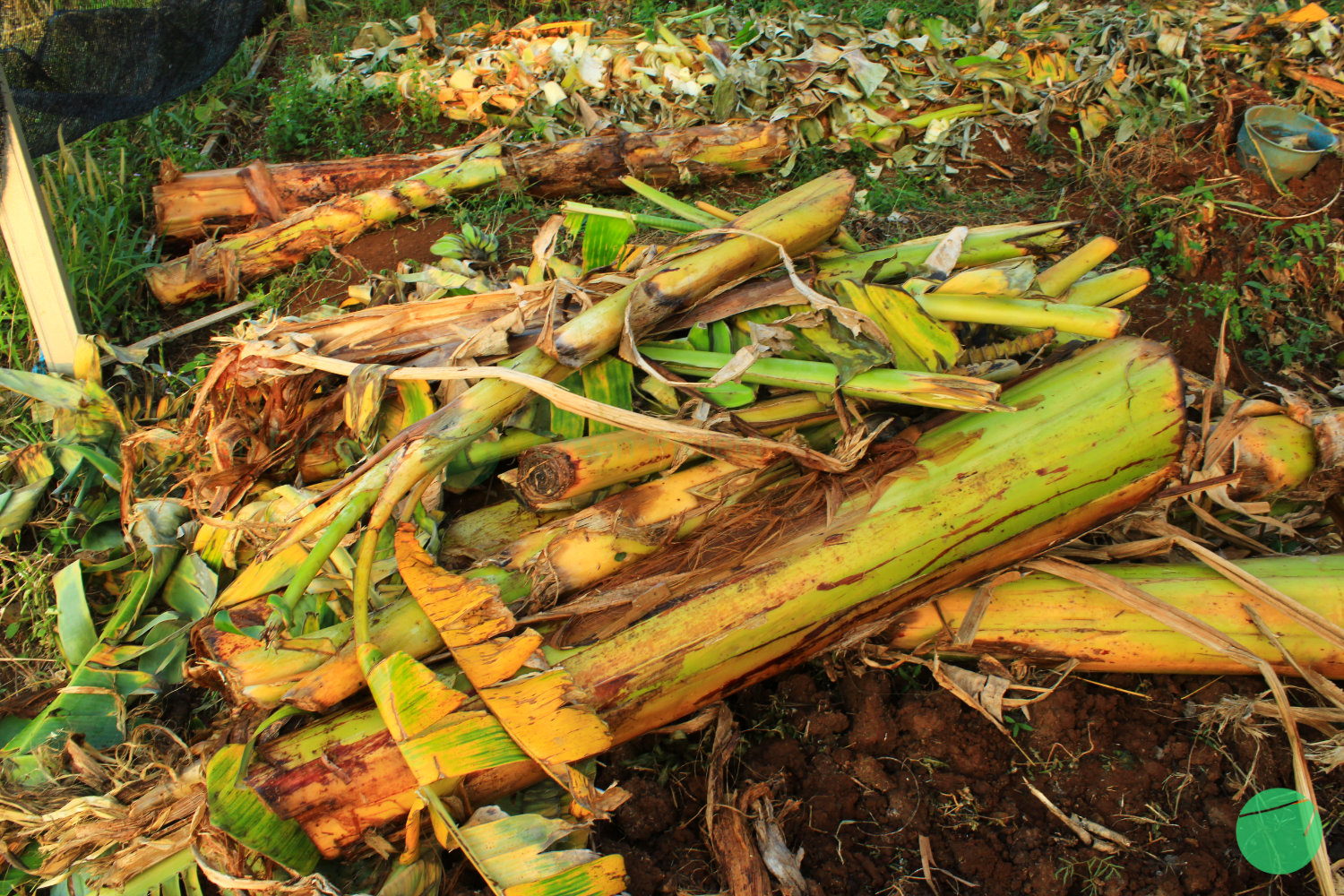
Various studies have shown that bananas contain several chemical compounds that are suitable for use as organic fertilizer. These compounds include nitrogen, phosphorus, potassium, and calcium. Meanwhile, the carbon-to-nitrogen ratio in banana stems is quite high, allowing them to decompose quickly into organic compost in the soil.
Banana stems can be processed into liquid organic fertilizer and compost using various methods, yet they are both easy to make at home.
Egg Shell
Eggshells are a significant source of household waste in Indonesia, primarily because eggs are a staple in everyday life.
A 2021 scientific journal report by Robert Devi Anugrah stated that eggshells contain 2.2 grams of calcium in the form of calcium carbonate. Furthermore, the average eggshell also contains approximately 0.3% phosphorus and 0.3% magnesium, as well as small amounts of sodium, potassium, zinc, manganese, iron, and copper. People can reuse eggshell waste at home without having to look elsewhere.
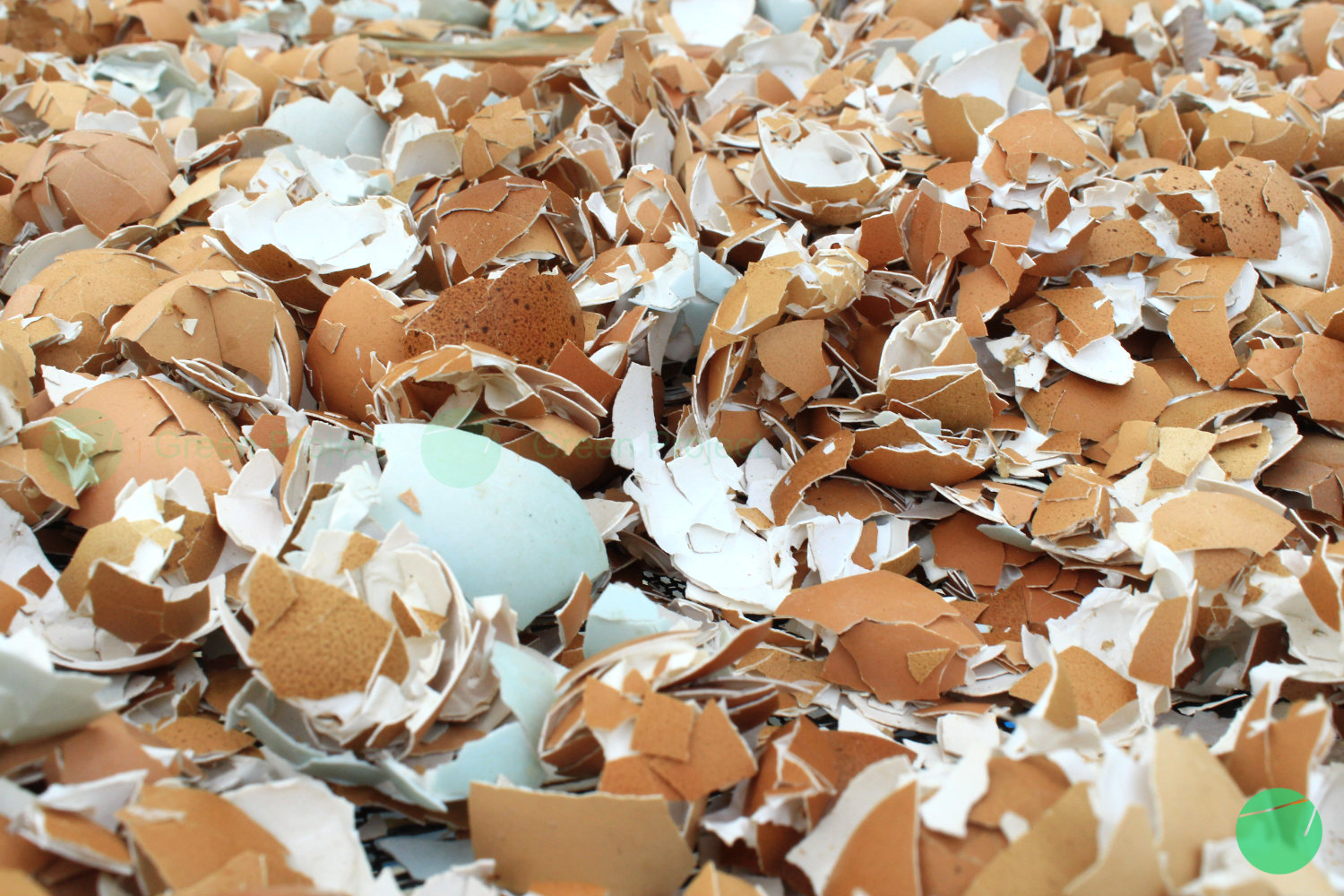
Its high calcium content has the potential to be used as an organic fertilizer for plants. This is possible because eggshells can stimulate the formation of root hairs and seeds and strengthen stems. Its high calcium content makes it potentially useful as an organic fertilizer for plants. This is possible because eggshells can stimulate the formation of root hairs and seeds and strengthen stems.
Clamshell
Clams are a highly sought-after fishery commodity among Indonesians. They can still be easily found by fishermen in various regions. Clams are not only sold whole, complete with their shells, but are often sold without them.
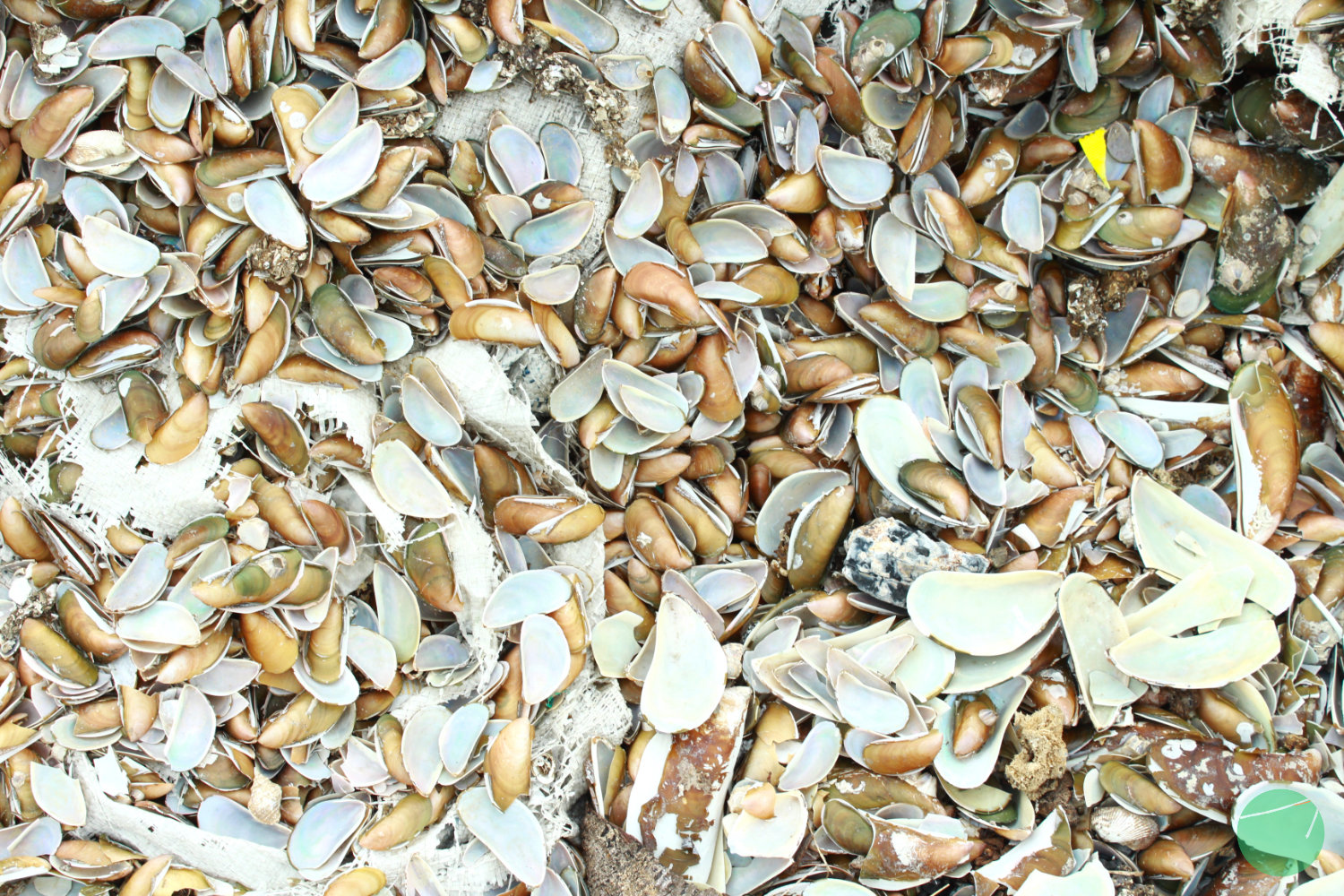
Providing clean, shell-free shellfish certainly provides convenience and efficiency in cooking. However, the problem of shellfish waste from the shell removal process has not been fully addressed.
Numerous studies have found that shellfish, with all their nutrients, can be used as an organic fertilizer for plants, supporting the growth of microorganisms and beneficial animals, such as earthworms.