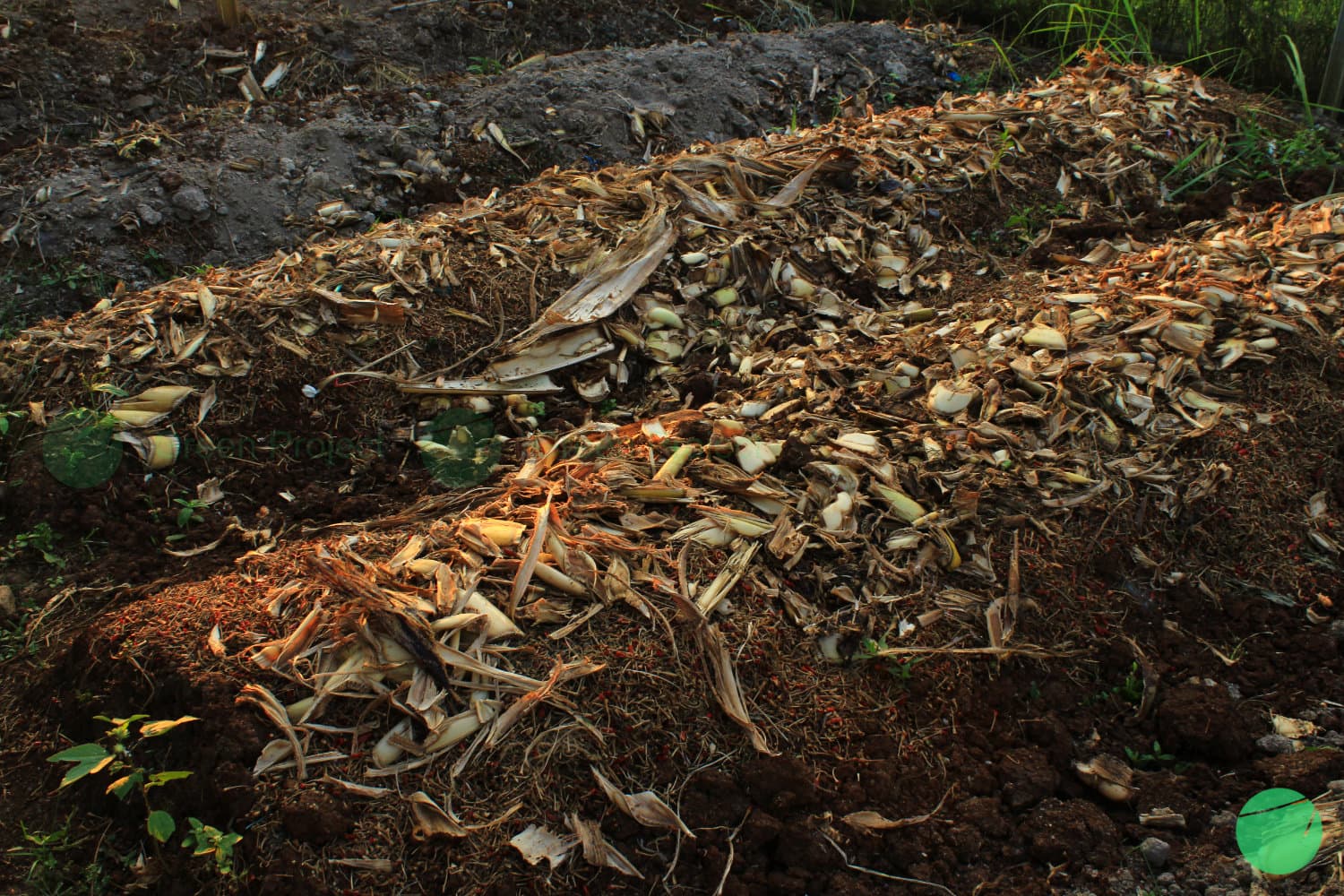
Causes of Drought
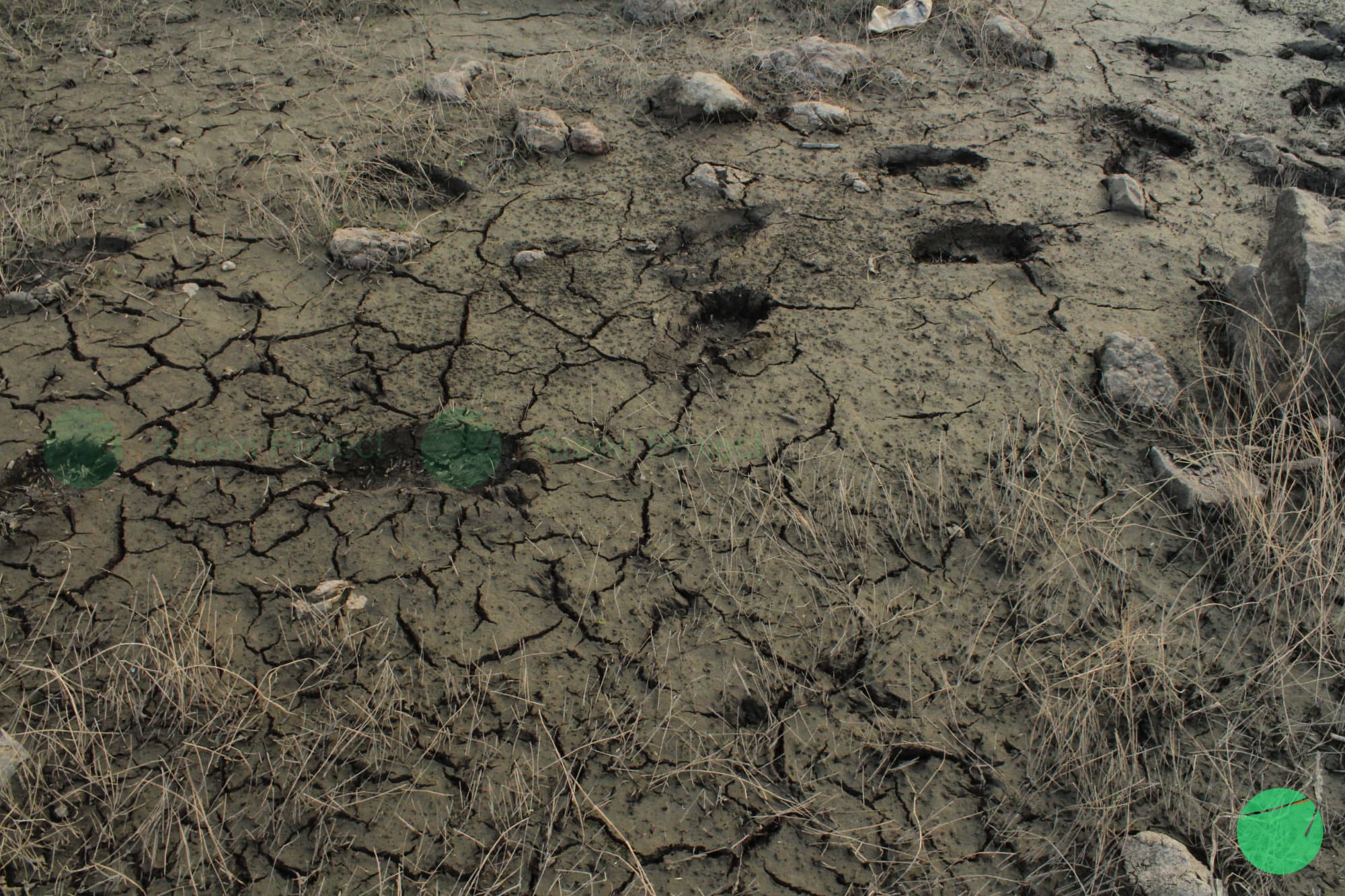
Indonesia is an archipelagic country located on the Asian continent, part of the Southeast Asian region. Its location along the equator gives it a tropical climate with two alternating seasons each year: the rainy season and the dry season.
For several decades, Indonesia is often hit by prolonged dry seasons. This condition then results in droughts in several regions. This can certainly impact several aspects of Indonesia, including the economy and the environment, with food production declining drastically on several occasions.
However, are there other factors that contribute to drought? Before answering this question, it might be helpful to first understand what drought is.
Drought can be defined as a state or condition in which there is a significant water shortage in an area for a specific period of time.
Drought itself is divided into several types, including meteorological drought or drought that occurs when rainfall in an area is lower than the long-term average, agricultural drought or drought that occurs when water shortages cause a decrease in crop yields or crop productivity, hydrological drought or drought related to reduced water availability in rivers, lakes, or reservoirs and socio-economic drought or drought that occurs when drought affects human activities, such as the economy and public health.
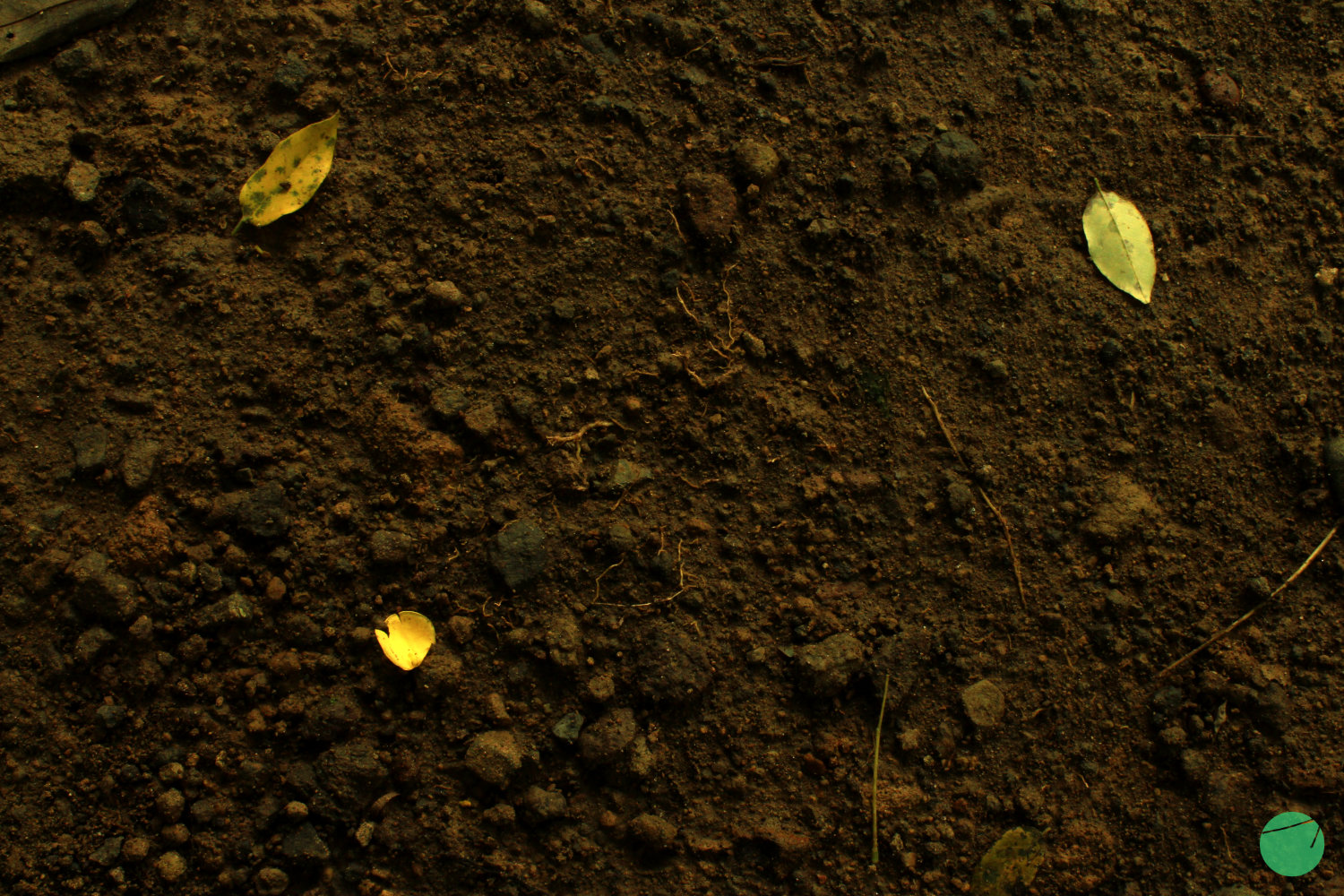
There are several main factors that can cause drought, namely:
1. Low Rainfall
Imbalanced weather conditions between rainy seasons or climate change can be a factor in drought, especially if an area does not receive sufficient rainfall for an extended period.
2. Climate Change
Global warming can affect rainfall patterns and increase the frequency and intensity of droughts. Temperature changes can alter wind patterns and reduce soil moisture.
3. Excessive Water Consumption
Excessive water use for irrigation, industry, and household needs can reduce groundwater and surface water reserves, exacerbating drought.
4. Deforestation
Deforestation can reduce evapotranspiration (the process of water release by plants) and alter local rainfall patterns, which can contribute to drought. This is evident in the Kopi Luhur area of Cirebon, where land has been converted into a mining area. To see the environmental impacts of deforestation, see https://www.studiofrugreenproject.com/id/posts/dampak-terhadap-lingkungan-dan-potensi-lain-dari-galian-c-kopi-luhur.
5. Changes in Weather Patterns
Weather phenomena such as El Niño and La Niña can affect rainfall patterns and cause drought in some regions.
El Niño is a climate phenomenon characterized by unusual warming of surface waters in the eastern tropical Pacific Ocean. El Niño itself is the "warm phase" of a larger phenomenon called the El Niño-Southern Oscillation (ENSO). La Niña is the opposite, the "cold phase" of ENSO, a climate pattern characterized by unusual cooling of surface waters in the region.
To understand the impacts of El Niño and La Niña in detail, see https://www.studiofrugreenproject.com/id/posts/apa-itu-el-nino-dan-apa-saja-dampaknya-bagi-produksi-pangan.
6. Infrastructure Damage
Damaged or inadequate water infrastructure can lead to problems with water distribution and storage.
7. Poor Water Resource Management
Inefficient or unsustainable water management practices in industry and households can also reduce water availability and exacerbate the impacts of drought.
Drought can have wide-ranging impacts, ranging from agricultural losses and clean water scarcity to serious economic and environmental impacts. Mitigation efforts, including improved water management, conservation, and adaptation to climate change, can help reduce the impacts of drought.