5 Steps to Mitigate and Prevent Drought Disasters
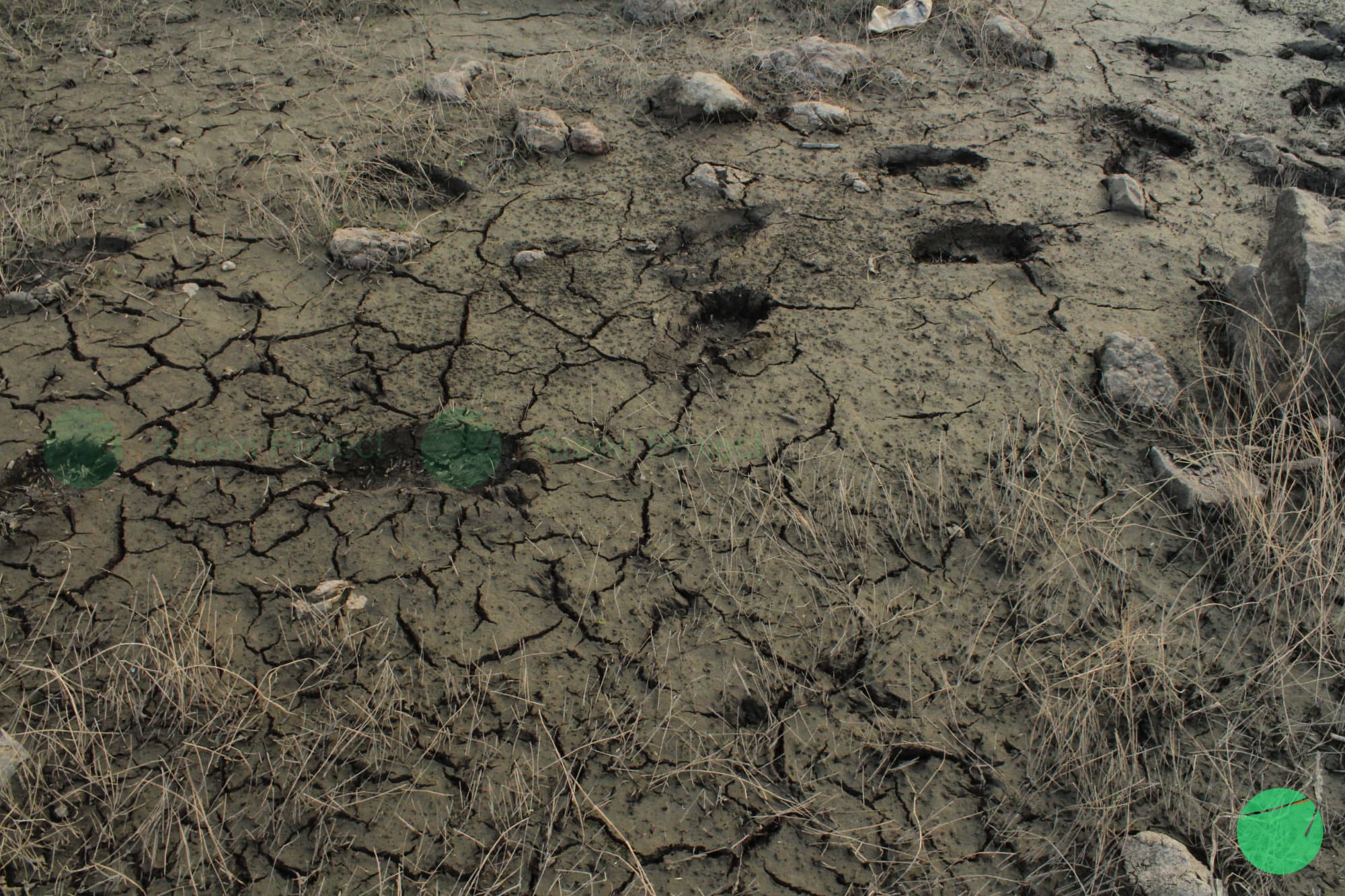
In this millennial era, the impacts of climate change are increasingly apparent, especially with the rise in environmental destruction and other actions taken without regard for ecosystem balance. Drought is particularly acute because its impacts not only affect people's livelihoods but also the agricultural industry, which essentially requires water as a key element in every agricultural production activity. This, in turn, impacts the food supply and the economy of farmers.
Drought, broadly speaking, can be defined as a state or condition in which there is a significant water shortage in an area over a specific period of time. Drought itself can be divided into several types, including:
Meteorological Drought: Occurs when rainfall in an area is lower than the long-term average.
Agricultural Drought: Occurs when water shortages cause a decrease in crop yields or productivity.
Hydrological Drought: Associated with reduced water availability in rivers, lakes, or reservoirs.
Socio-Economic Drought: Occurs when drought affects human activities, such as the economy and public health.
In the Argasunya area of Cirebon, the drought appears to be caused by a variety of factors. Drought is common in the area during the dry season, especially during El Niño, which can lead to lower rainfall.
The conversion of Lake Setu Patok into a "ghost rice field" has exacerbated the drought, as land that should have been used to store water has been cultivated and converted into agricultural land. The Kopi Luhur mining area is also a contributing factor to the drought, as the land, which should have been able to store water through trees, is continuously being excavated for the mining industry. Both of these practices have been ongoing for decades, making it difficult to reverse.
So, How Can Drought Be Managed?
Drought disaster management measures can be implemented by the entire community, with the assistance of relevant local authorities. Awareness of the threat of this disaster is crucial to instill in the community before a disaster actually occurs.
Here are some ways and steps that can be implemented to manage and mitigate the impacts of drought:
1. Water Resource Management
Water Use Efficiency:** Implement efficient irrigation technologies, such as drip irrigation, to reduce water waste in agriculture.
Water Collection and Storage:** Build infrastructure to store rainwater, such as reservoirs or rainwater catchment tanks.
Water Resource Management:** Conserve and restore water resources, such as protecting springs and reforestation.
- Sustainable Agricultural Practices**
Soil-Based Agriculture:** Use techniques such as crop rotation, cover crops, and good soil management to increase soil moisture.
Drought-Resistant Crops:** Choose crop varieties that are more tolerant of drought and dry conditions.
Irrigation Management:** Adjust irrigation schedules and techniques to avoid water waste.
- Crisis Management and Adaptation**
Contingency Plans:** Prepare contingency plans for drought, including water distribution plans and crisis management.
Education and Training: Education and training are equally important for surrounding communities. Training can be provided as a preventative measure, such as on water management techniques and climate change adaptation.
4. Policies and Regulations
Water Use Regulations: Implement regulations that limit excessive water use and encourage wise water management practices.
Spatial Planning: Integrate drought considerations into spatial planning and infrastructure development.
Inter-Stakeholder Collaboration: Facilitate collaboration between the government, the private sector, and communities to address drought holistically.
5. Ecosystem Management
Vegetation Conservation: Protect and rehabilitate natural vegetation that can help maintain soil moisture and reduce erosion.
Soil Protection: Implement soil conservation techniques to reduce soil loss due to erosion exacerbated by drought.
The efforts mentioned above need to be implemented simultaneously and sustainably by communities to mitigate the impacts of drought and increase resilience to dry conditions. Effective adaptation and mitigation require active participation from all levels of society as well as support from government policies and institutions.