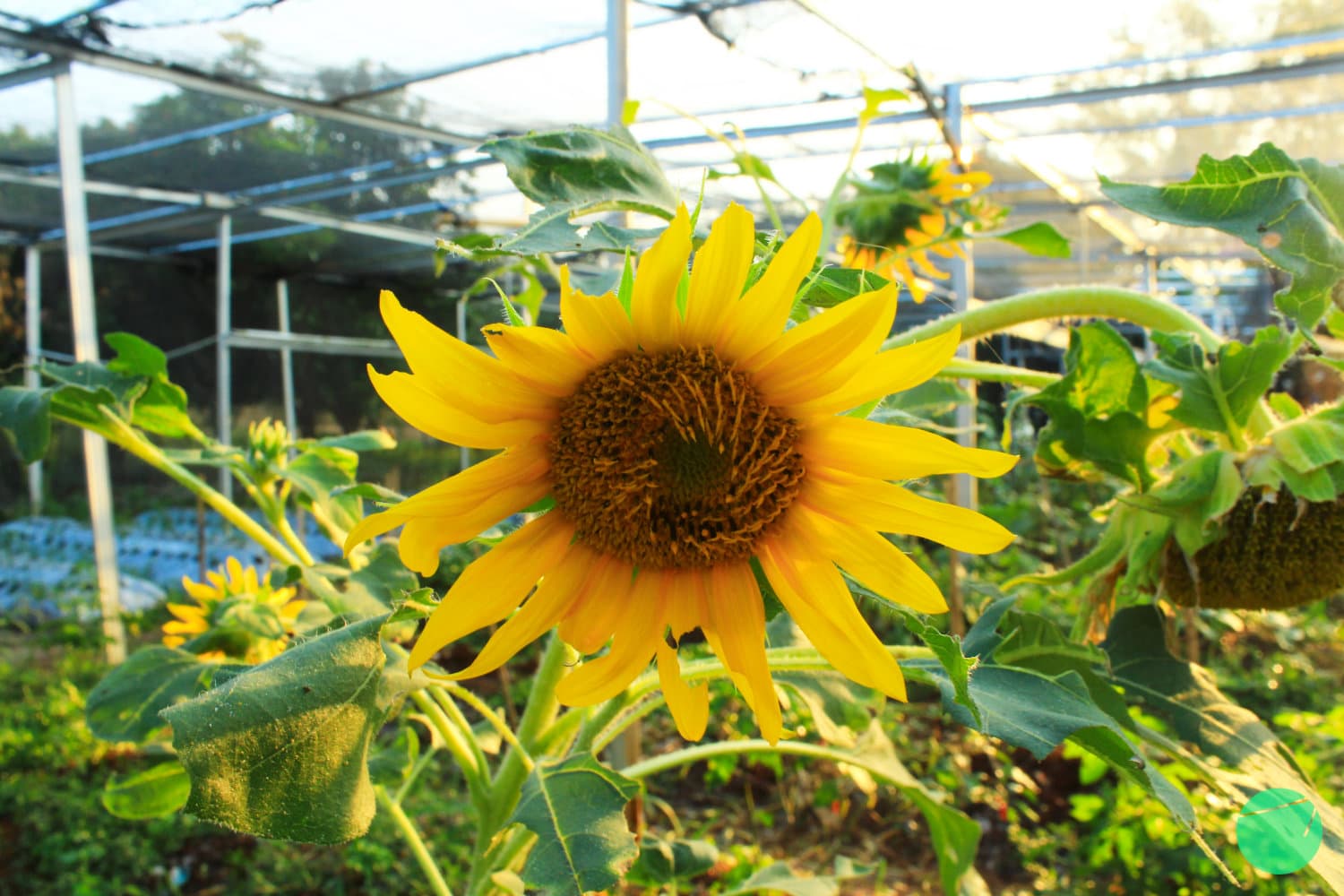
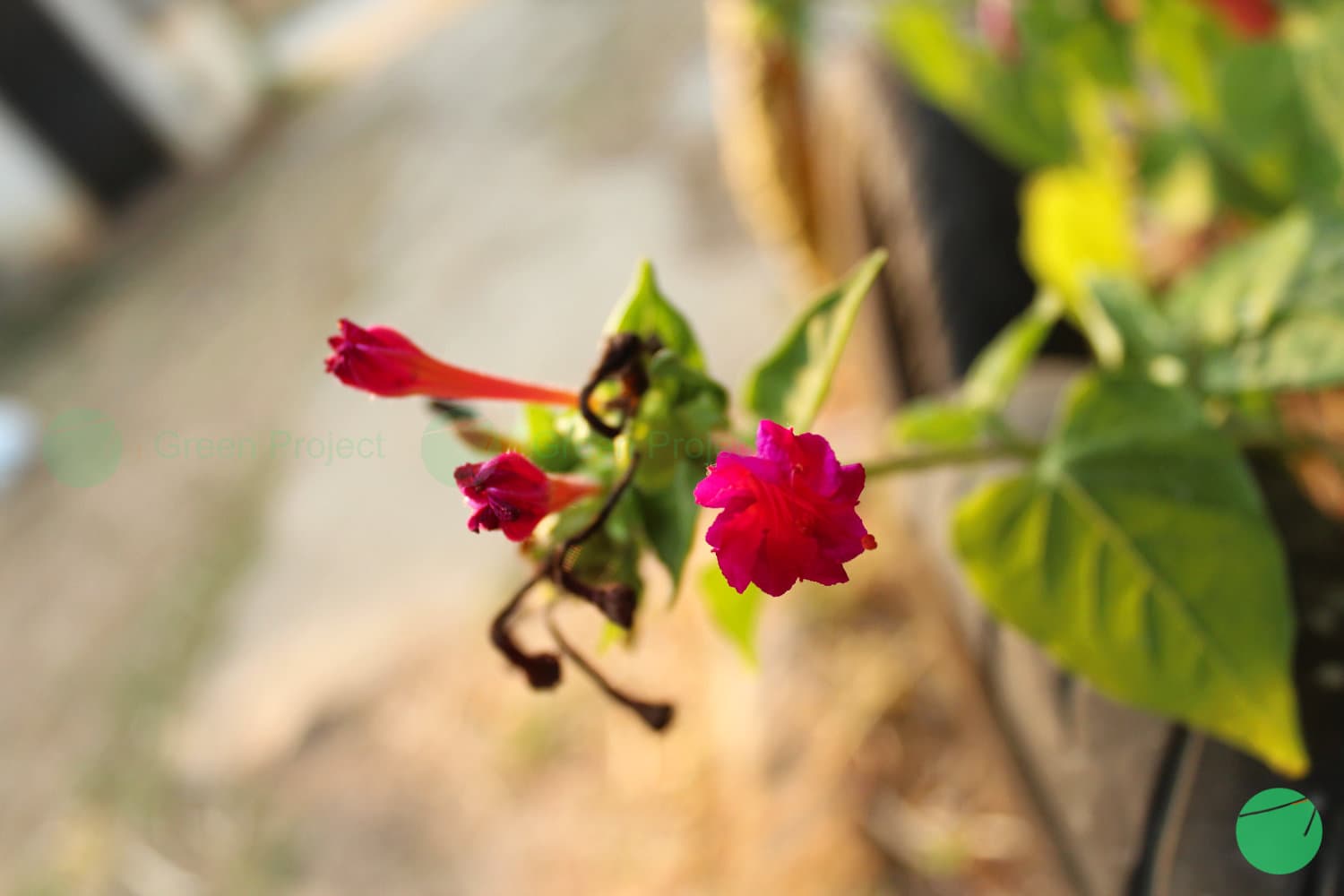
Common Zinnia (Zinnia elegans)
Naming Identity
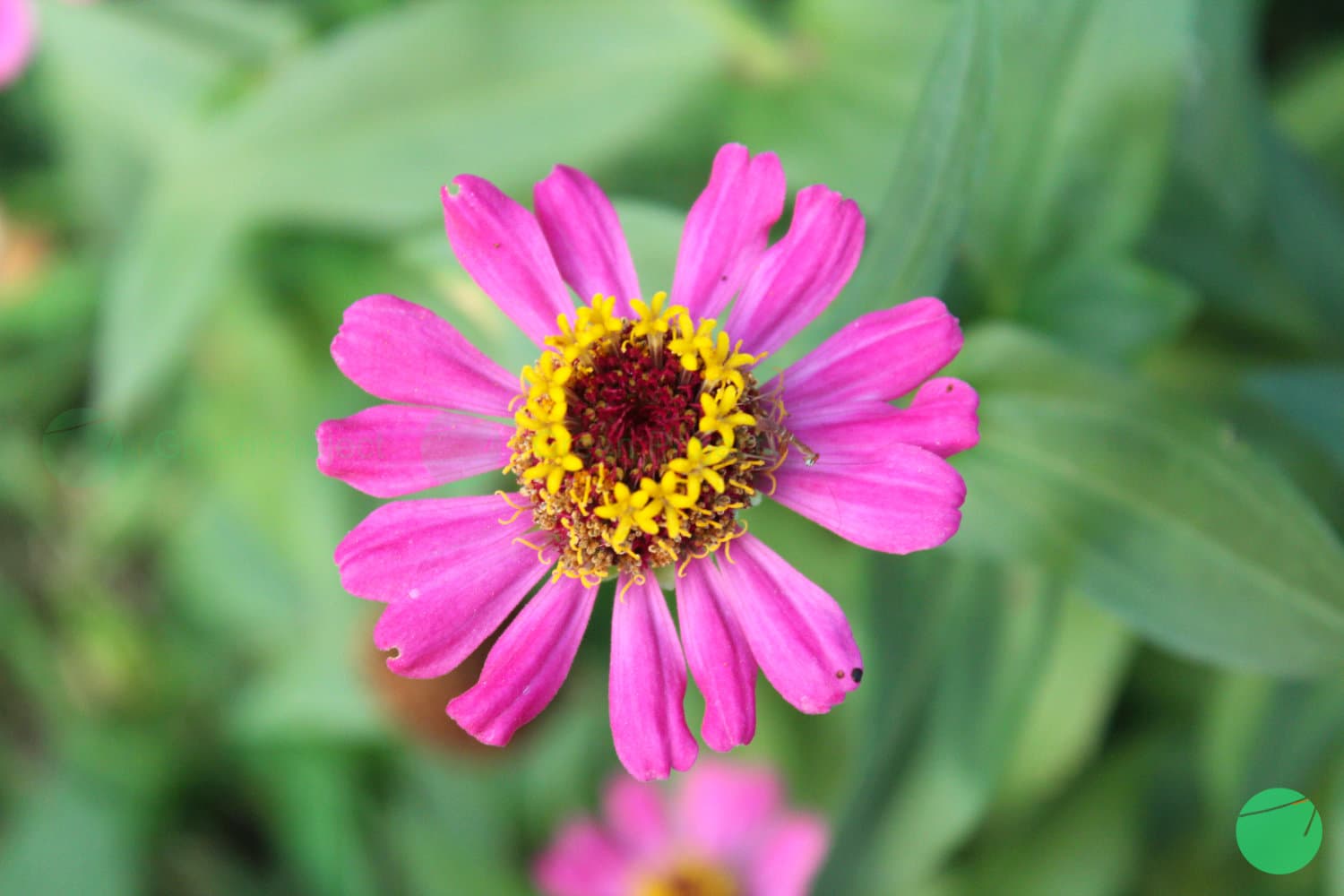
The scientific name for the zinnia anggun is Zinnia elegans. Another name for Zinnia elegans in Latin is Zinnia violacea (Ana Flavia Burlec et al., 2019). Internationally, in English, this plant is also known as common zinnia.
Taxonomy
| Kingdom | Plantae |
|---|---|
| Phylum | Tracheophyta |
| Class | Magnoliopsida |
| Order | Asterales |
| Family | Asteraceae |
| Genus | Zinnia |
| Species | Zinnia elegans |
Origin and History
Common zinnia is a plant native to Mexico. Seeds from this plant were first brought to Europe in the 18th century AD. Linnaeus (1753) named the genus Zinia in honor of the German botanist, physician, and anatomist Johann Gottfried Zinn (1727-1759).
Zinn was a scientist who studied the membrane of the eye, now known as the ciliary zonule or zonula Zinn. His book, "Descriptio Anatomica Oculi Iconibus Illustrata" (1755), was the first comprehensive account of eye anatomy (A Zinnia Grows in Space -- Smithsonian Libraries and Archives / Unbound, 2017). Zinn was also director of the Botanical Garden at the University of Göttingen and professor of medicine.
Zinn received seeds from Mexico of Zinnias, known as mal de ojos (eye disease), likely due to their striking color. He then described it shortly before his death, apparently from tuberculosis, at the age of 31 (Zinnia Cultivar, 2022).
Common zinnia is the most popular species of the genus Zinnia and has been widely cultivated in many countries. This species only began to be distributed and popular in Europe in 1790 as an ornamental garden plant (Ana Flavia Burlec et al., 2019).
Now, this plant, originally a wildflower in Mexico, has become a decorative flowering plant that has inspired many fields. Among them are music, social customs, design and art, naval battles, and even outer space. Common zinnia is one of the plants chosen for cultivation on the International Space Station. In January 2016, US astronaut Scott Kelly announced that a common zinnia had bloomed on the International Space Station (Grissell, n.d.).
Morphology
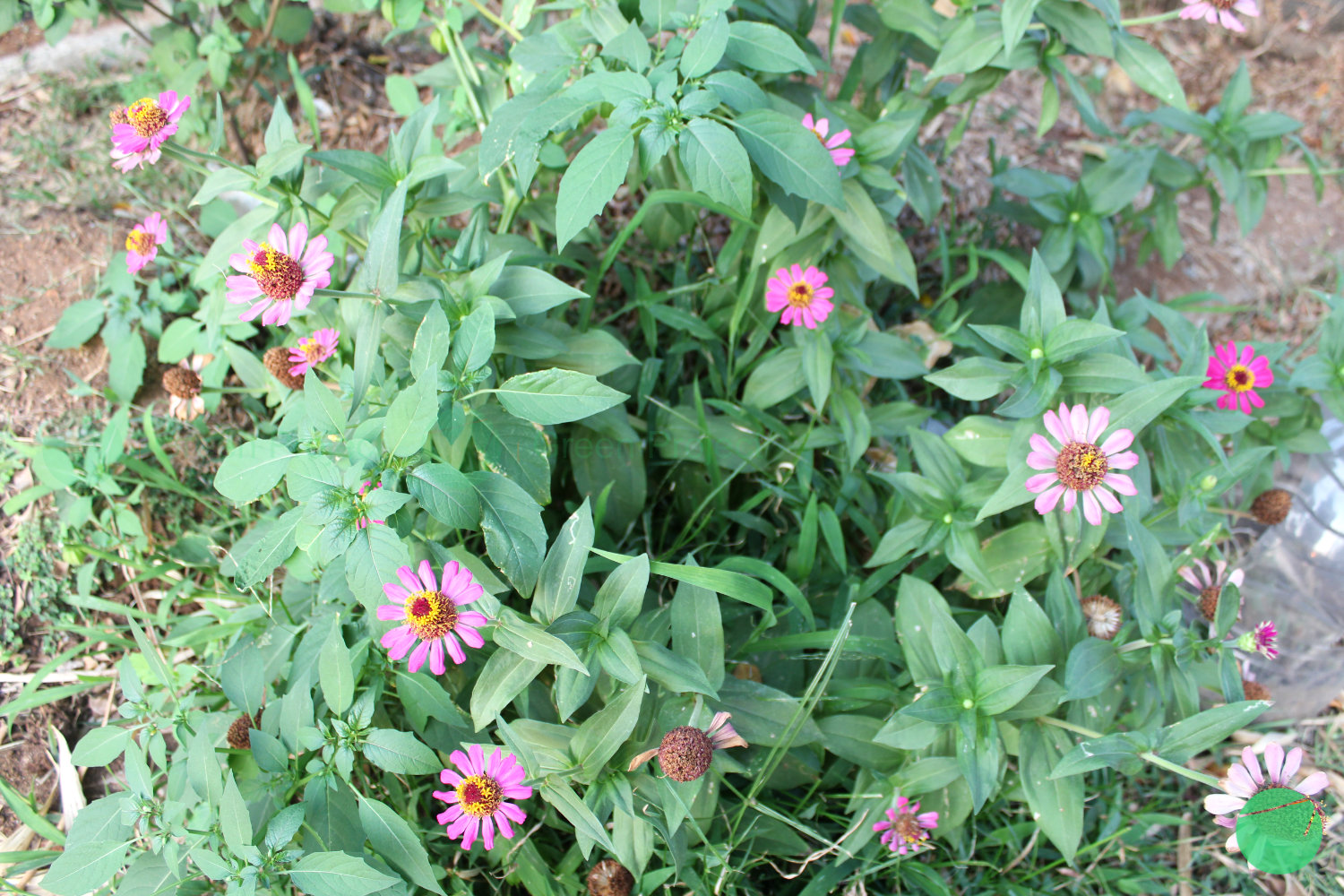
Common zinnia is a perennial plant, and when cultivated, it can grow upright and can reach up to 1 meter in height. Uncultivated graceful zinnias can grow up to 15 cm. This plant tends to be non-invasive and non-aggressive, and is tolerant of drought, heat, and cold or frost. Although easy to grow, this plant requires full sun and well-drained soil.
The flowers, which attract butterflies, come in a wide variety of colors, including red, orange, yellow, purple, white, and pink.
Health Benefits of Common Zinnia
This plant is commonly grown as an ornamental plant, primarily for its striking flower colors. Its beautiful form has inspired numerous works of art, design, and music. However, several reports have demonstrated its potential as a biological source for various treatments, although research into its safety as a medicinal plant has been limited.
A report by Alshymaa and colleagues (2019) states that common zinia has been used in traditional medicine to treat malaria and stomach aches, as well as as a hepatoprotective, antiparasitic, antifungal, and antibacterial agent.
Location
Bibliography
ACIR Community. (2023). Usda.gov. https://acir.aphis.usda.gov/s/cird-taxon/a0ut0000000r8FtAAI/zinnia
Alshymaa, A.-R., Gomaa, Samy, M., Desoukey, Y., & Kamel, M. (2019). A comprehensive review of phytoconstituents and biological activities of genus Zinnia. J. Adv. Biomed. & Pharm. Sci. J. Adv. Biomed. & Pharm. Sci, 2, 29--37. https://jabps.journals.ekb.eg/article_23095_a12d42b3a887aa021115bb22313e5a72.pdf
Ana Flavia Burlec, Łukasz Pecio, Mircea, C., Oana Cioancă, Andreia Corciovă, Nicolescu, A., Wiesław Oleszek, & Hăncianu, M. (2019). Chemical Profile and Antioxidant Activity of Zinnia elegans Jacq. Fractions. Molecules, 24(16), 2934--2934. https://doi.org/10.3390/molecules24162934
A Zinnia grows in space -- Smithsonian Libraries and Archives / Unbound. (2017, April 17). https://blog.library.si.edu/blog/2017/04/17/zinnia-grows-space/
Grissell, E. (n.d.). A History of Zinnias: Flower for the Ages A History of Zinnias: Flower for the Ages (pp. 3--2020). Pubs Purdue e-Pubs Purdue University Press Book Previews Purdue University Press. https://docs.lib.purdue.edu/cgi/viewcontent.cgi?article=1047&context=purduepress_previews
Zinnia cultivar. (2022). Wellcome Collection. https://wellcomecollection.org/works/sjzfs3v7