Indian Turnsole (Heliotropium indicum L.)
Naming Identity
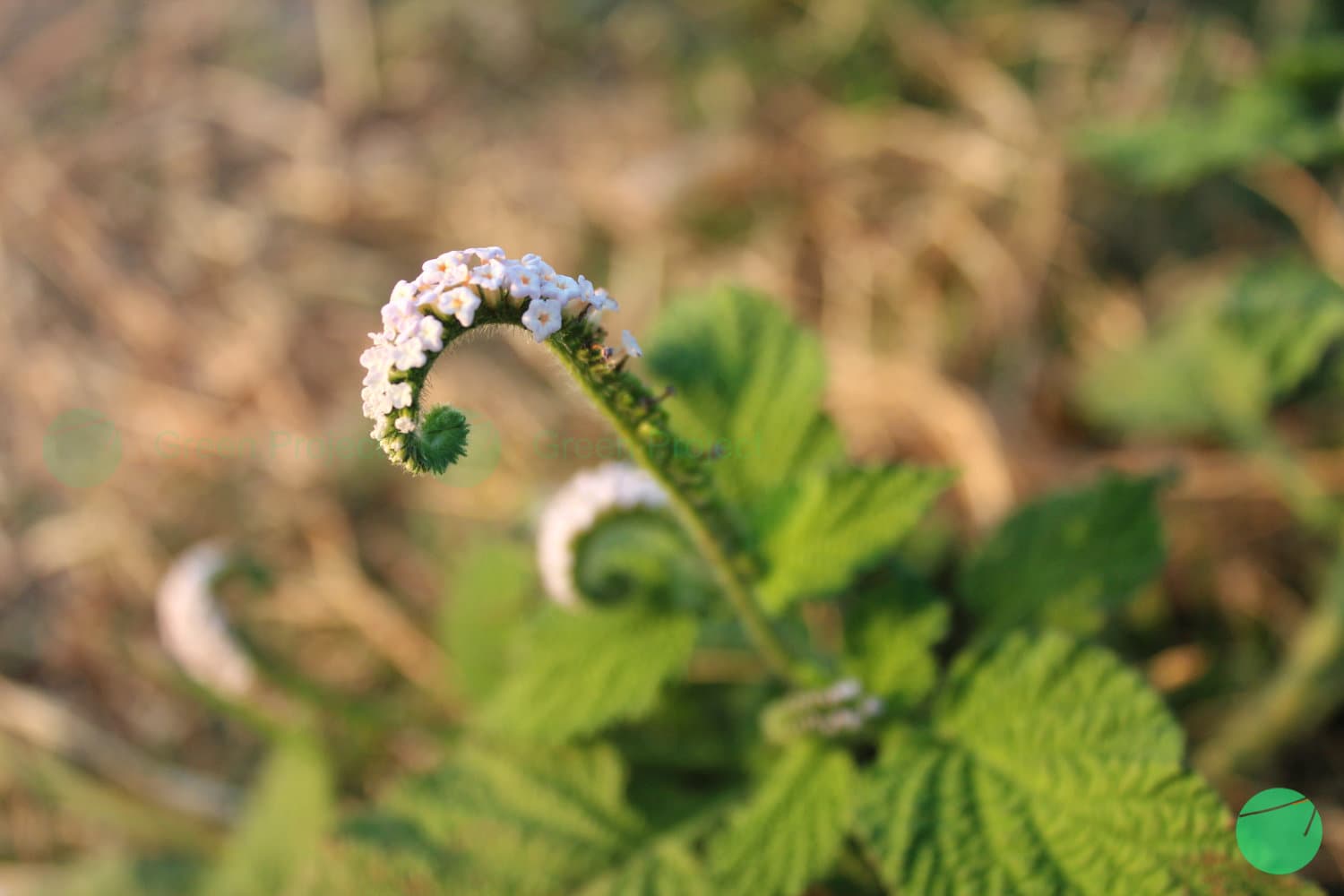
Sangketan is scientifically known in Latin as Heliotropium indicum L.. In Indonesia, this plant is also known as sangket, buntut tikus, tlahe gajah or gajahan, uleran, bandotan lombok, djingir ajam or tusuk konde in Central Java. Internationally, this plant is known as Indian turnsole.
Naming History
The generic name is derived from the Greek word helios, meaning sun, and is a metaphor for turning. It refers to the leaves and flowers facing the sun, although this is not the usual position for this species. The species name, indicum, is associated with India, where it is considered a native plant. However, Waterhouse (1993) considers H. indicum to be native to tropical America. Its closest relative is H. elongatum, a southeastern South American species (CABI Compendium, 2021).
Taxonomy
| Kingdom | Plantae |
|---|---|
| Phylum | Tracheophyta |
| Class | Magnoliopsida |
| Order | Boraginales |
| Family | Boraginaceae |
| Genus | Heliotropium |
| Species | Heliotropium indicum |
Origin, Distribution and Habitat in Indonesia
Many people assume this plant originates from Asia, especially India, based on its name. However, other experts state that it actually originates from tropical America.
Sangketan has spread widely across Asia, including Indonesia and Singapore, and was recently introduced to Australia. This plant has been declared a weed in Africa, South Asia, Central and South America, including the Caribbean, and tropical North America.
In Indonesia, sangketan is a wild plant easily found on the edges of rice fields, farms, and in yards. It is considered a weed, especially in sugarcane fields and rice paddies.
Morphology
Sangketan is an upright, succulent annual grass with branched stems and a strong taproot. This plant can reach a height of 1.5 m. Its stems are deeply grooved and covered with large, coarse white hairs.
The leaves grow alternately or oppositely, 3 to 15 cm long and 2 to 10 cm wide. They are ovate or oblong-ovate in shape with long, dense white hairs on both surfaces.
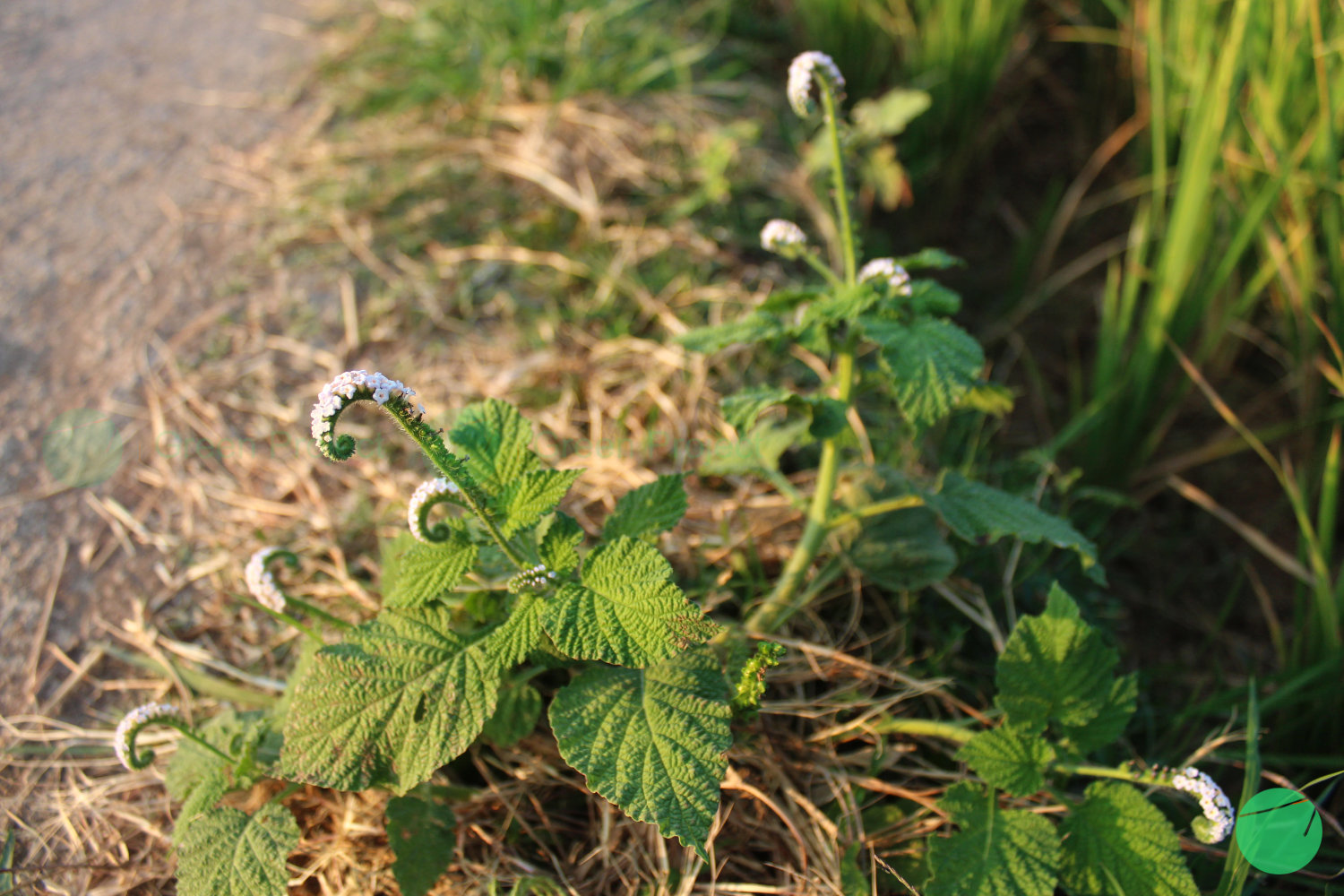
The underside of the leaves is pubescent and pointed or pointed with shallowly wavy, toothed edges. The leaf base is narrow and extends downward along the petiole, forming wings on both sides.
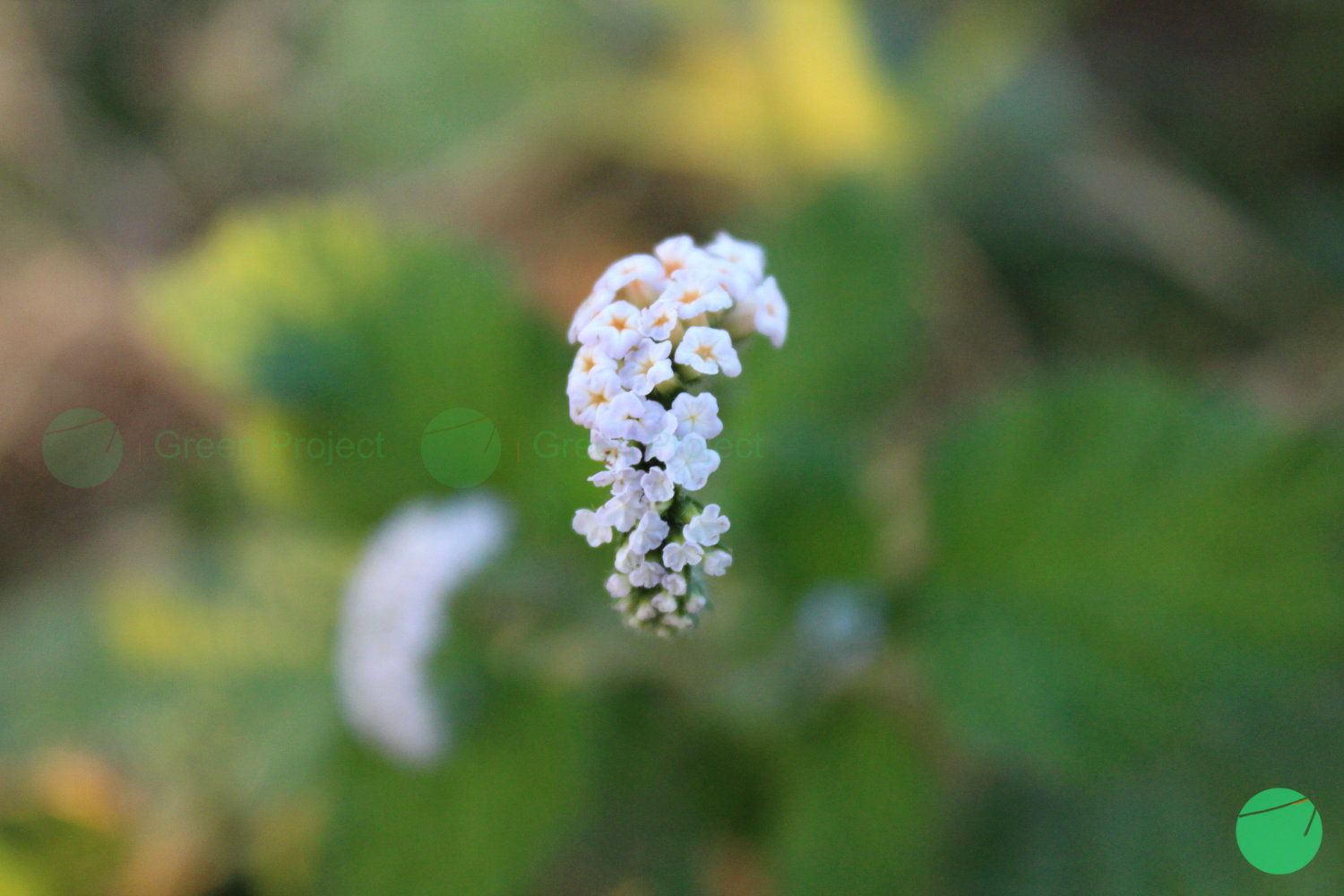
The flowers are small and grow in clusters at the ends of the stems. They are purplish or whitish in color. The flower stalks emerge from the leaf axils and are approximately 10 cm long.
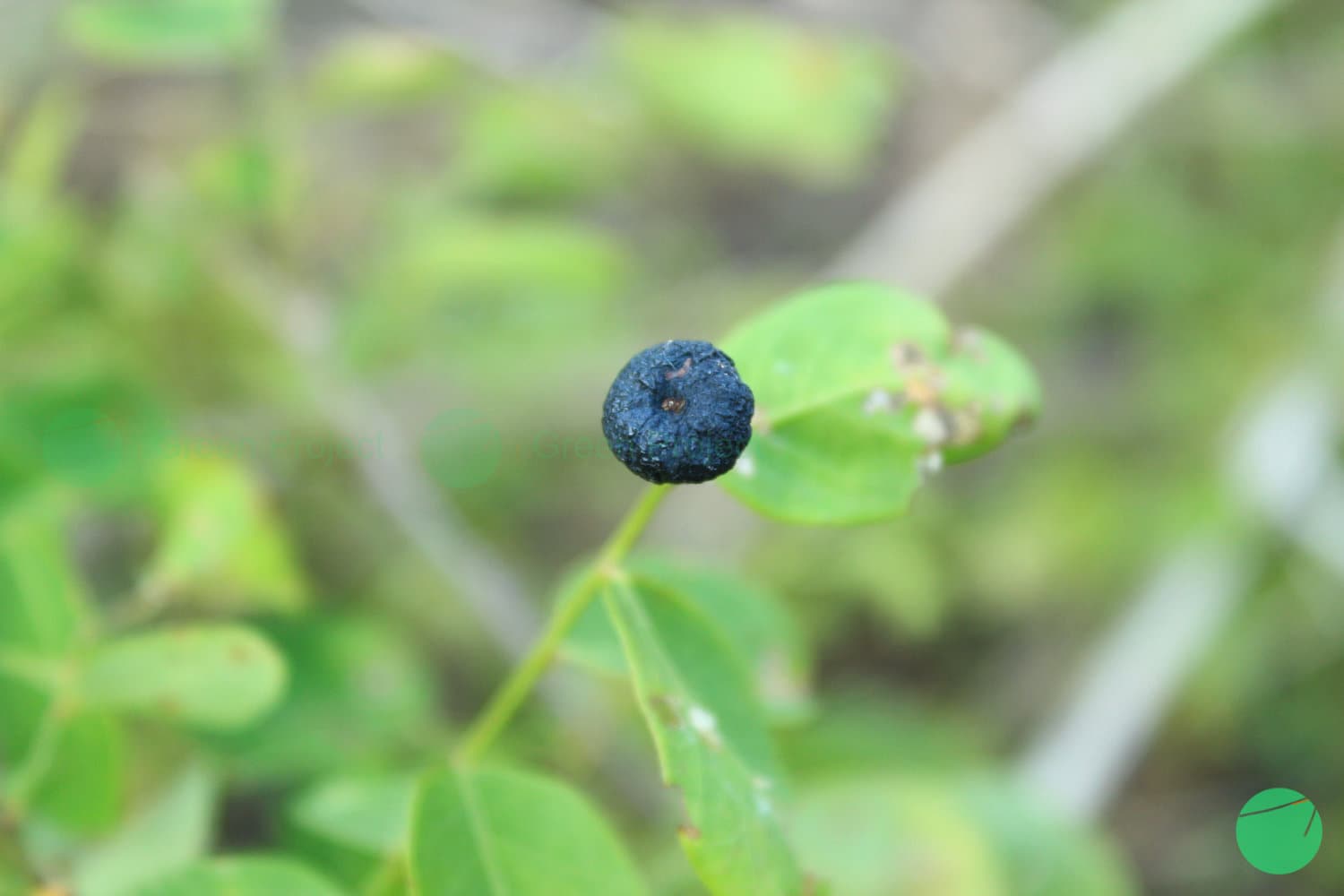
The fruits are angular with a beak-shaped apical, 2 to 3 mm long, glabrous with two spreading and separate lobes that produce two nuts when ripe.
Health Benefits of the Plant
Sangketan is an ornamental plant. However, in traditional medicine, it is often used to treat various pathological disorders, including wound healing, antidote for poisons, bone fractures, fever reducer, eye infections, menstrual disorders, nervous disorders, kidney problems, and antiseptic purposes.
A scientific report by Chandan Sarkar et al. (2021) states that sangketan contains many important phytochemicals such as tannins, saponins, steroids, oils, and glycosides. The report also indicates that sangketan has many important pharmacological activities, including anti-inflammatory, wound healing, anticancer, and anticataract activities.
Location
Bibliography
---. "Heliotropium Indicum." Animal and Plant Health Inspection Services, acir.aphis.usda.gov/s/cird-taxon/a0u3d000000UPrDAAW/heliotropium-indicum. Accessed 9 Aug. 2023.
CABI Compendium. "Heliotropium Indicum (Indian Heliotrope)." CABI Compendium, vol. CABI Compendium, Jan. 2022, https://doi.org/10.1079/cabicompendium.26899.
Sarkar, Chandan et al. "Heliotropium indicum L.: From Farm to a Source of Bioactive Compounds with Therapeutic Activity." Evidence-based complementary and alternative medicine : eCAM vol. 2021 9965481. 1 Jun. 2021, doi:10.1155/2021/9965481