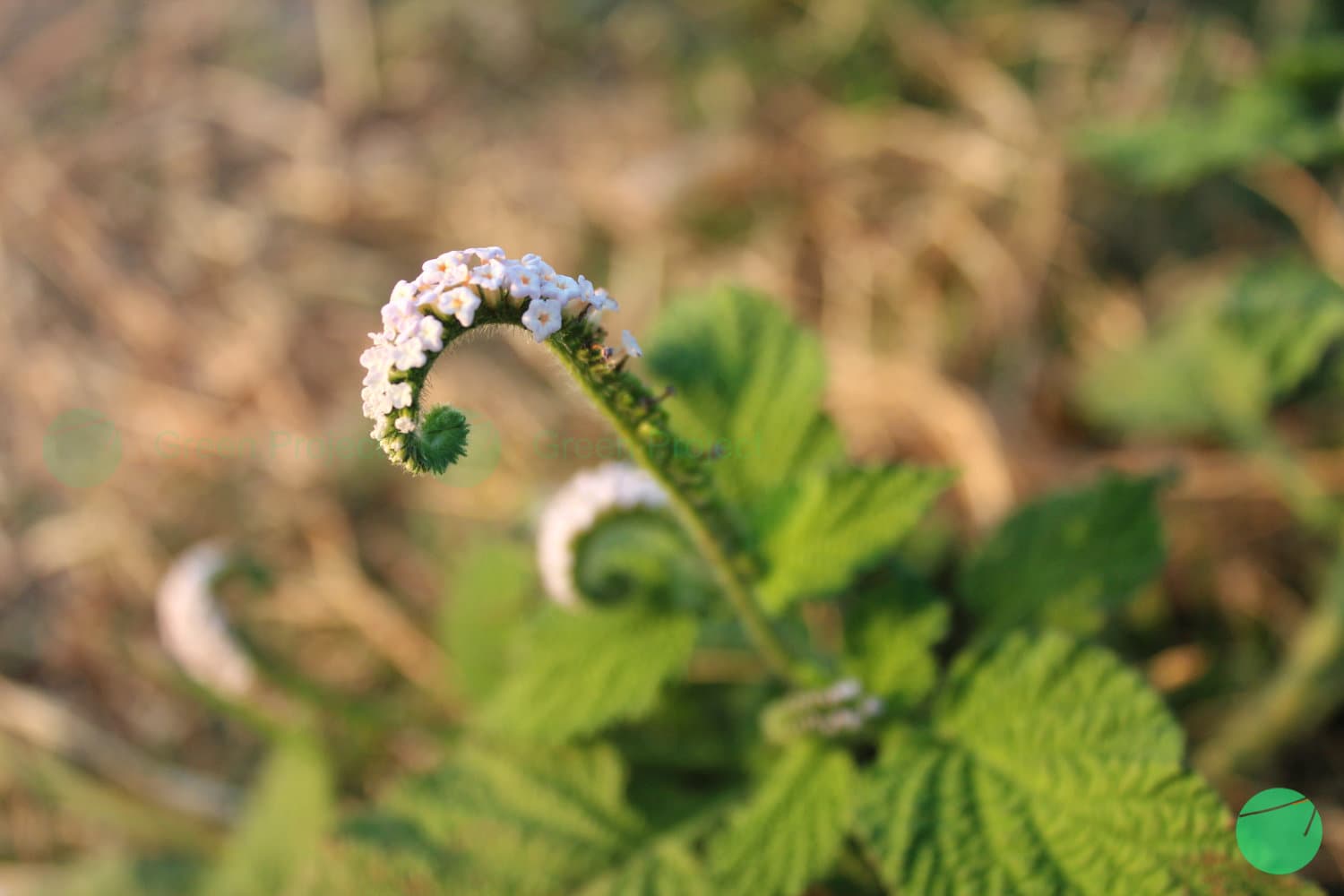
Black Honey Shrub (Phyllanthus reticulatus)
Naming Identity
Mangsian, or mangsi, is scientifically known in Latin as Phyllanthus reticulatus. Internationally, this plant is known in English as black honey shrub.
In India, this plant is known as makhi or panjuli, while in China, it is known as hong yu yan or hong yu yan. In Africa, it is known as mwino or mfuungozi.
Taxonomy
| Kingdom | Plantae |
|---|---|
| Phylum | Tracheophyta |
| Class | Magnoliopsida |
| Order | Malpighiales |
| Family | Phyllanthaceae |
| Genus | Phyllanthus |
| Species | Phyllanthus reticulatus |
Origin
This plant is a native plant originating from the Old World region including Africa, Asia including Indonesia, Malaysia, China and India as well as Australia.
Morphology
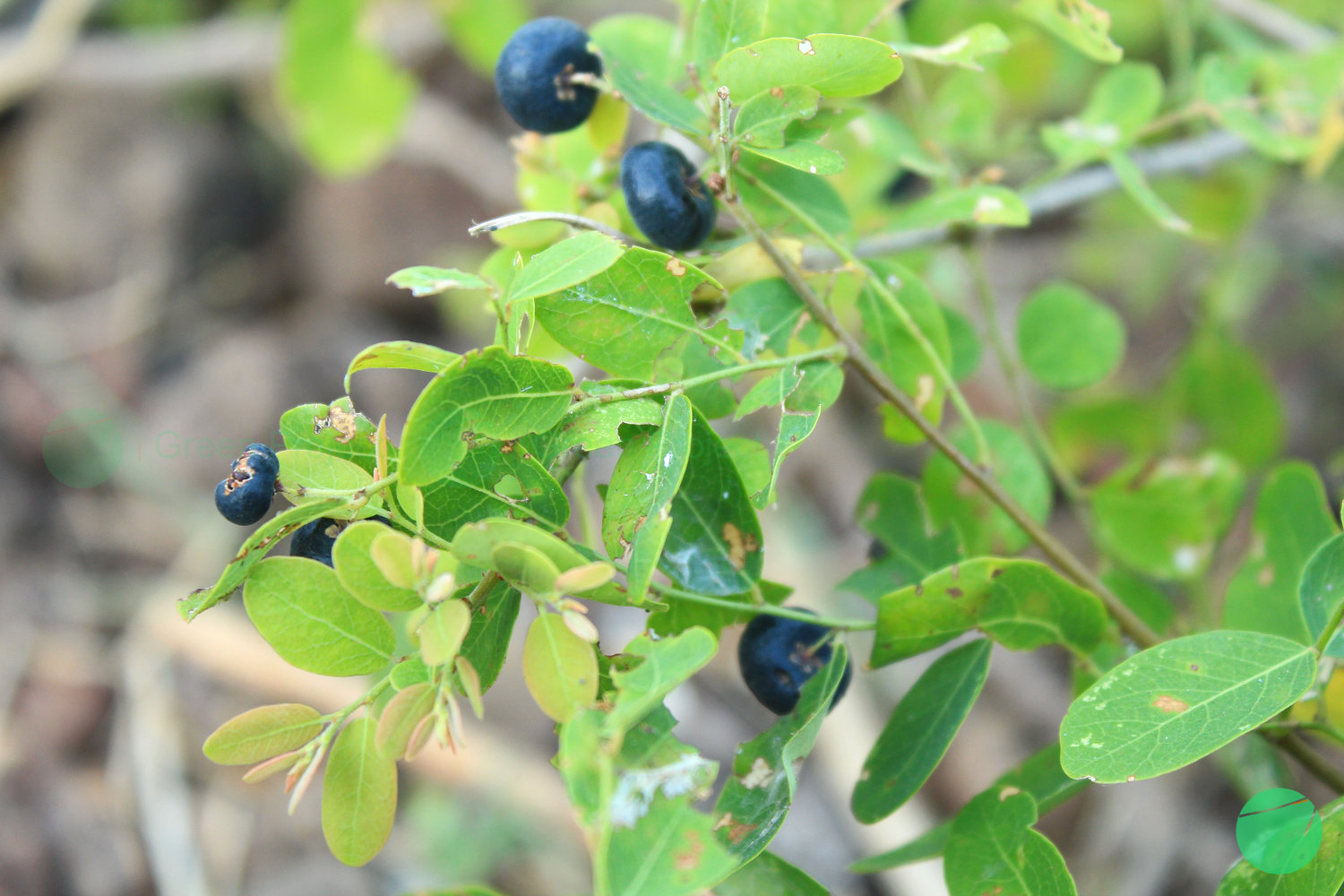
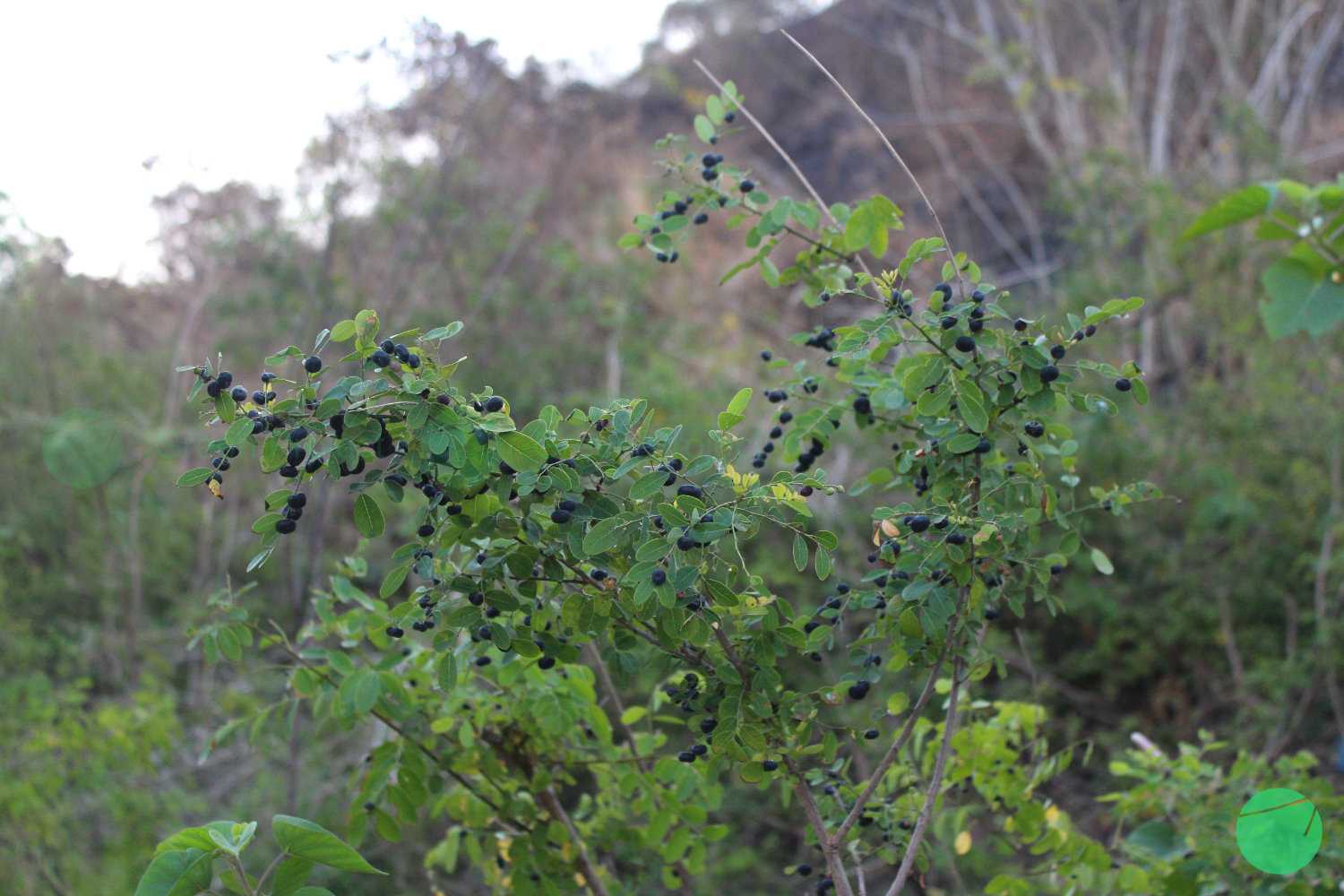
Black honey shrub is a wild plant found on roadsides, abandoned land, or hillsides. In Indonesia, this plant can easily be found locally along rice fields, gardens, or rivers.
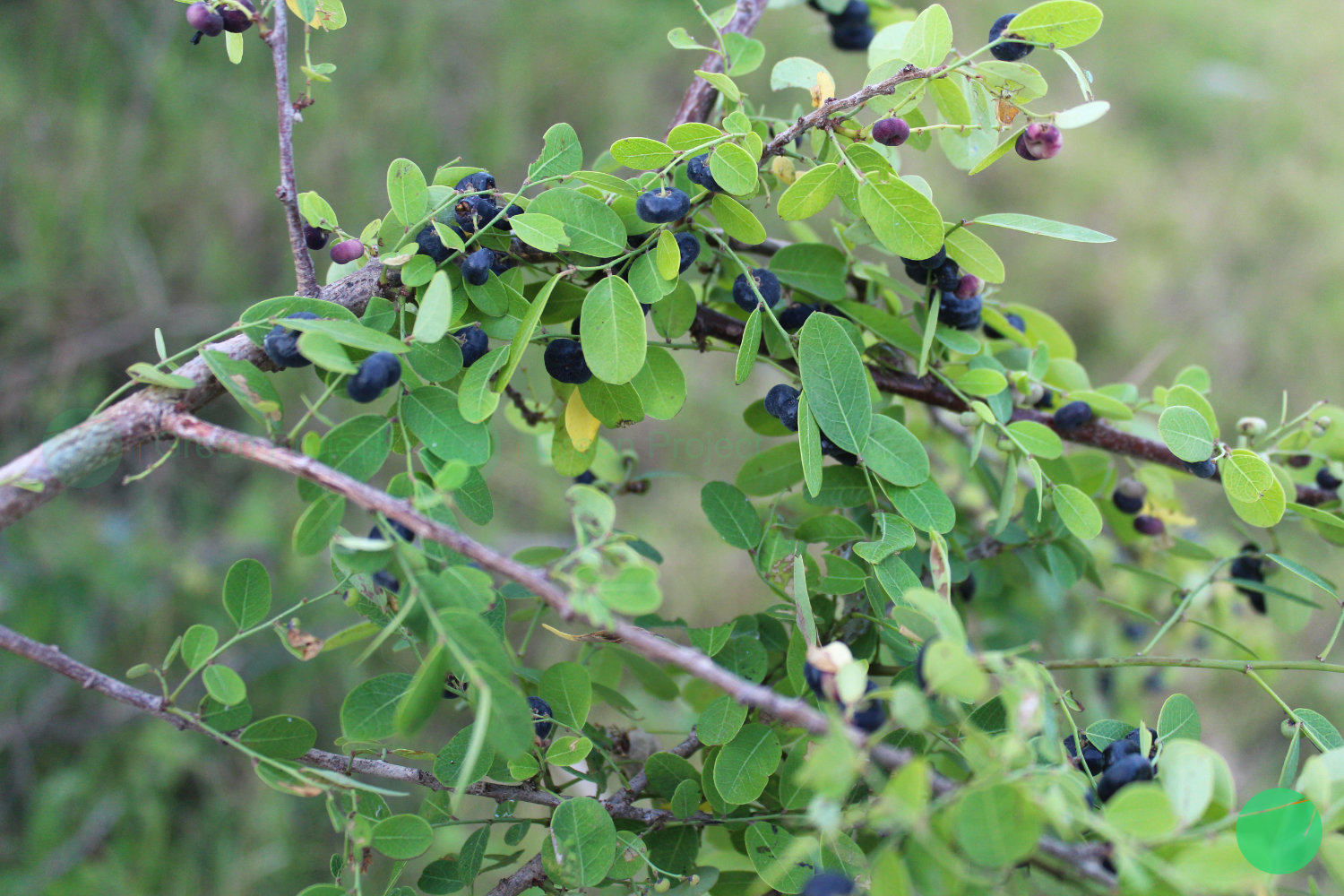
Black honey shrub is a relatively fast-growing shrub or small tree. It can grow to a height of 4 to 5 meters with a dense, branching stem that droops to the ground.
The stem has fine, downy hairs when young, becoming hairless as it matures. It is dark brown and woody towards the base and green towards the tip.
The leaves are dark green, ovate, with smooth upper surfaces and prominent midribs. The leaves are arranged alternately on the stem and are approximately 3 to 5 cm long and 2 to 3 cm wide. Black honey shrub produces both male and female flowers, with male flowers being more numerous than female.
Both flowers are small, approximately 1 to 1.5 mm long. Male flowers have stamens, anthers, and filaments, while female flowers have an ovary and style. They are pollinated by ants and small insects.
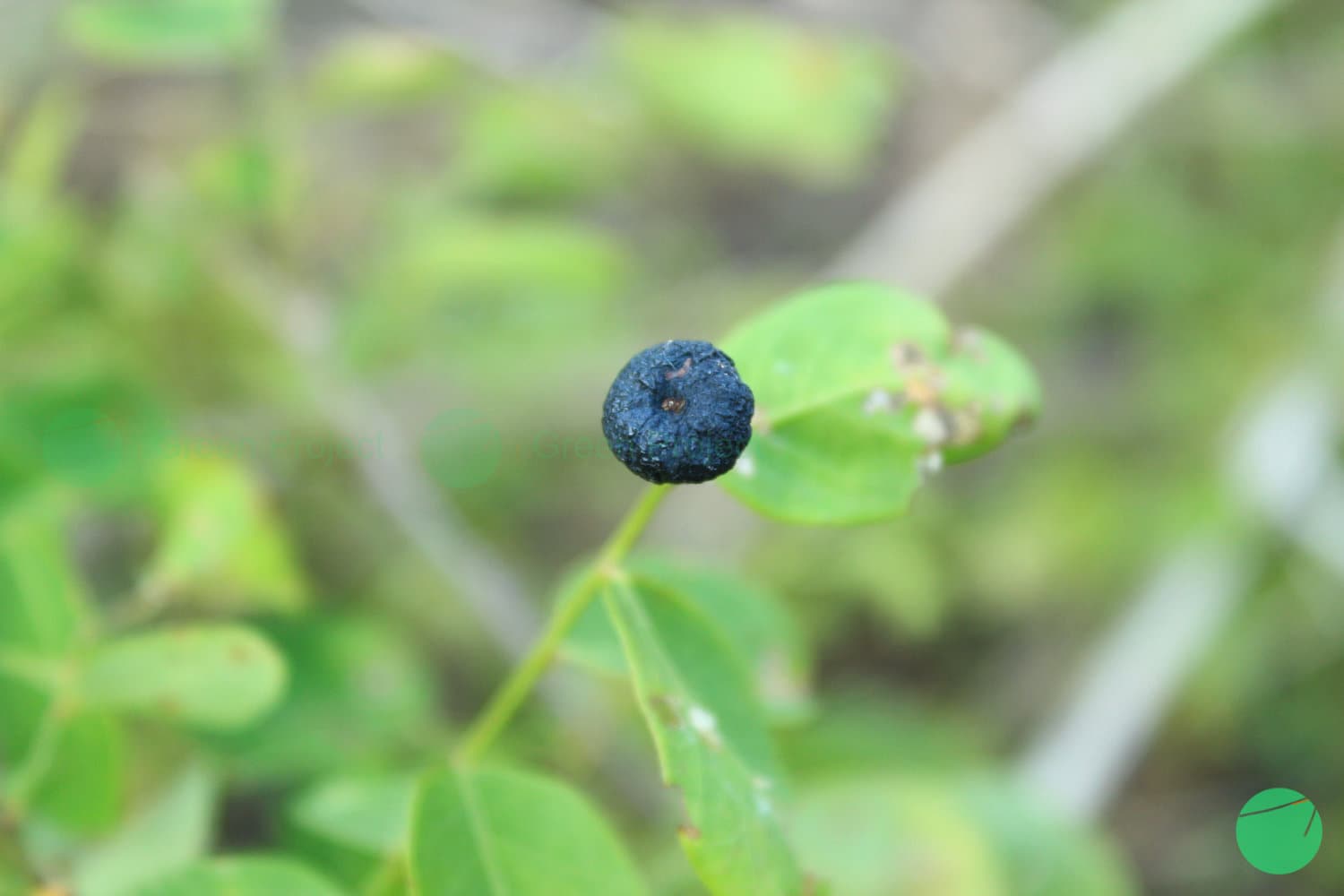
After pollination, the plant produces small, round fruits that are initially green and then turn dark purple as they ripen. These fruits contain 8 to 15 small, brown seeds, about 1 to 2 mm long (Green Cover Initiative, 2021).
Health Benefits and Other Uses of Black Honey Shrub
In traditional medicine, as documented in Ayurveda, this plant, especially its leaves, is widely used to treat malaria, diabetes, polio, measles, asthma, sore throats, snakebites, conjunctivitis, anemia, eye diseases, wounds, burns, bleeding gums, muscle spasms, worms, headaches, and abscesses. This is because the mangsian leaves contain tannins.
The sturdy stems are used to build small huts, and the small twigs are used as toothbrushes. The ripe fruit is used as food in times of famine and is also sold in markets. The wood of the plant is used to make small tools and handles, and also as fuel for fires.
A decoction of the stems and leaves is used as a mordant and to dye cotton black. A soup made from the leaves, boiled with palmyra palm fruit, is given to women after childbirth (India Biodiversity Portal, "Phyllanthus Reticulatus Poir. | Species").
In Malaysia, the stems and leaves are rubbed on the chest to combat asthma, and a decoction of the leaves is drunk to treat sore throats, snakebites, mental disorders, and diarrhea. In the Philippines, the leaves are applied locally against pinworms. A decoction of the roots is taken against gonorrhea and other venereal diseases and also against diarrhea accompanied by mild rectal bleeding ("Phyllanthus Reticulatus - சிவப்புப்பூலா Civappu-p-pula, காட்டுக்கீழாநெல்லி Kattu-k-kila-nelli, பூலா Pula").
Black Honey Shrub as a Natural Dye Alternative for Fabric
Based on research conducted by Titik Irawati and Yushi Mardiana, mixing dye extract obtained from 20 grams of fresh black honey shrub fruit with HCl solvent (1%, 1.5%, and 2%) in 95% ethanol with maceration times of 30 and 60 minutes resulted in a purplish-red color. This color indicates the presence of anthocyanin compounds in the mangosteen fruit, which have the potential to be used as natural dyes.
The research report also stated that with a maceration time of 60 minutes, the fabric color appeared darker because the longer the maceration time, the stronger the contact time between the solvent and the mangosteen fruit, resulting in a higher yield of dye.
Location
Bibliography
---. "Phyllanthus Reticulatus." Animal and Plant Health Inspection Services, acir.aphis.usda.gov/s/cird-taxon/a0u3d000000USBfAAO/phyllanthus-reticulatus. Accessed 16 Aug. 2023.
---. "Phyllanthus Reticulatus Poir. | Species." India Biodiversity Portal, indiabiodiversity.org/species/show/230743. Accessed 16 Aug. 2023.
Green Cover Initiative. "Phyllanthus Reticulatus | Black Honey Shrub - Wild Plants - Green Cover Initiative." Green Cover Initiative, 1 May 2021, greencoverinitiative.com/wild-plants/phyllanthus-reticulatus-black-honey-shrub.
Irawati, Titik, and Yushi Mardiana. "EKSTRAK BUAH MANGSI (PHYLLANTHUS RETICULATUS POIR) SEBAGAI PEWARNA ALAMI." Litbang Pemas Unisla, vol. 1, no. 1, Nov. 2018, pp. 14--17. semnas.unisla.ac.id/index.php/SAINS/article/view/252.
"Phyllanthus Reticulatus - சிவப்புப்பூலா Civappu-p-pula, காட்டுக்கீழாநெல்லி Kattu-k-kila-nelli, பூலா Pula." Herbal Plants Brief Explanation About Herbal Plants and Their Medical Uses, 23 Sept. 2014, senthuherbals.blogspot.com/2014/09/phyllanthus-reticulatus-civappu-p-pula.html. Accessed 16 Aug. 2023.