Sunflower (Helianthus annuus L.)
Naming Identity
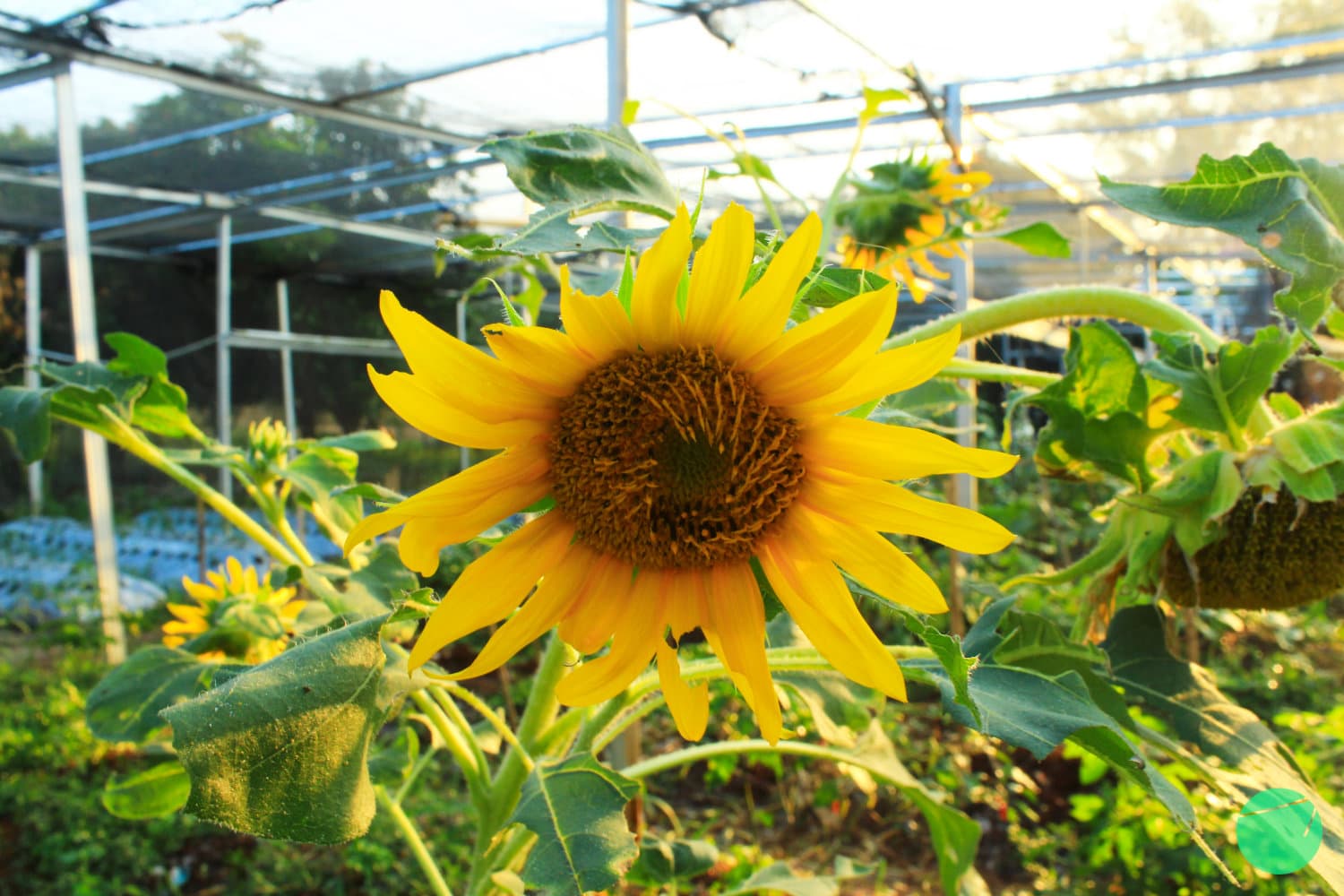
Bunga matahari or internationally known as sunflower, is scientifucally named Helianthus annuus L. in Latin. This plant is a grassy plant from the genus Helianthus.
Taksonomi
| Kingdom | Plantae |
|---|---|
| Phylum | Tracheophyta |
| Class | Magnoliopsida |
| Order | Asterales |
| Family | Asteraceae |
| Genus | Helianthus |
| Species | Helianthus annuus |
Origin
Sunflowers are known to have originated in North America and were later cultivated in Europe in the 16th century, primarily as ornamental plants.
This plant gained popularity after restrictions on the consumption of oils from olive, palm, and sesame plants were imposed by the Eastern Orthodox Church. Sunflowers were an exception and were not prohibited at that time, eventually becoming an important crop in Russia, where they were used as a source of oil during Lent (Briggs).
In the early 20th century, sunflowers returned to North America, primarily grown for oil in the northern United States and Canada. Argentina is the leading producer of sunflowers in South America.
Sunflower has now been declared the national flower of Russia and Ukraine, and is the world's largest sunflower producer. Apart from that, it has also been used symbolically as a symbol in various movements in society, for example, at the end of the 19th century AD, this flower was used as a symbol of the Aesthetic Movement (Aesthetic Movement), a symbol of the Vegan Society, and as a symbol behind the Sunflower Movement in Taiwan in 2014.
Morphology
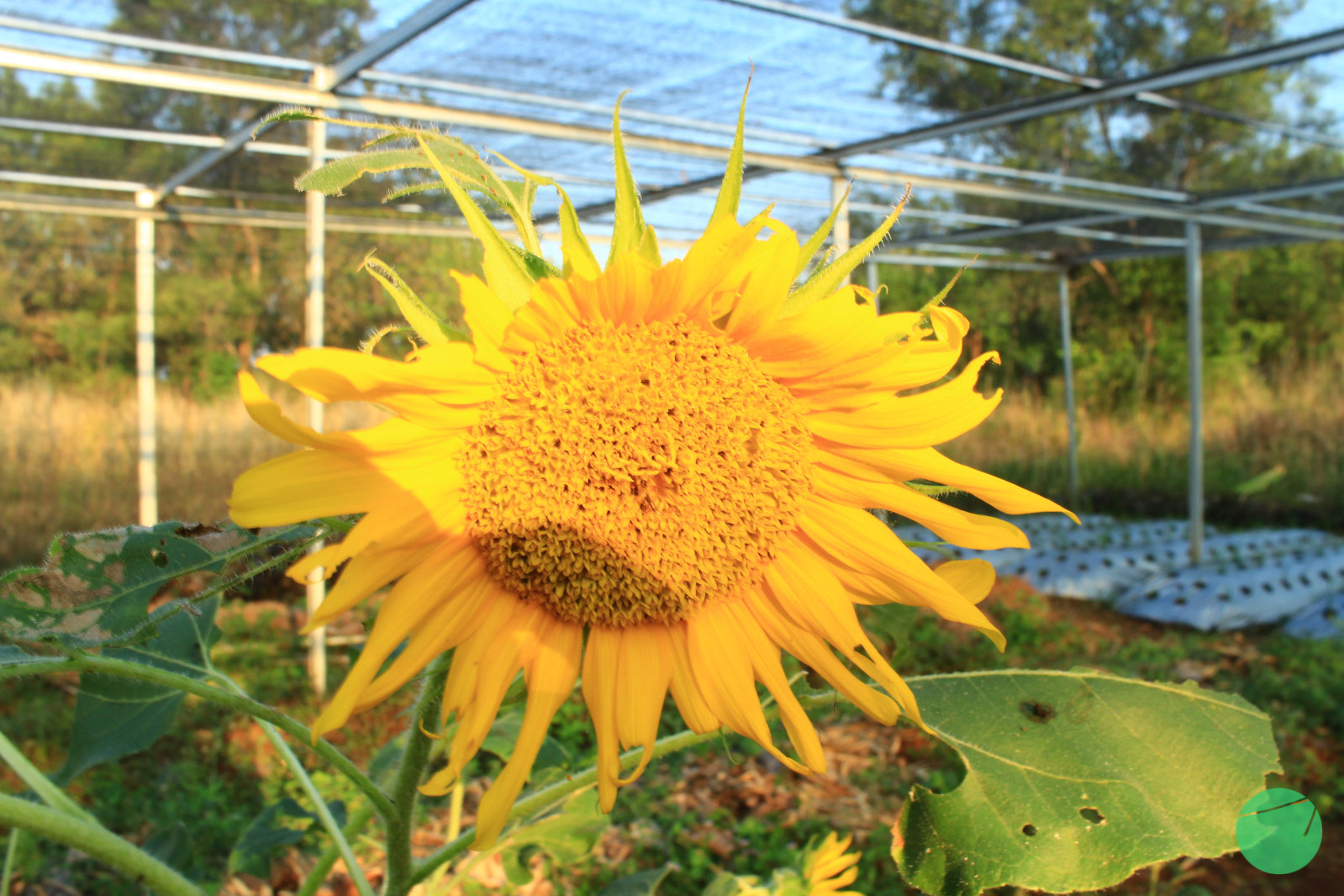
Sunflowers are annual grasses with coarse, hairy stems that can grow to a height of 1 to 4.5 meters. Their leaves are coarse and broad, reaching 7 to 30 cm in length and arranged in a spiral. Their eye-catching flower heads range from 7.5 to 15 cm in width in wild specimens but can reach up to 30 cm in cultivated varieties. The flowers are highly attractive to bees, butterflies, and beetles.
The flower disks are brown and yellow, while the calyx-like flowers are yellow. The fruit is a single-seeded achene. Oilseed varieties typically have small black achenes, while those grown for direct seed consumption, known as confection varieties, have larger black-and-white achenes that easily separate from the seed within.
Use of Sunflowers as Food and Industrial Ingredients
Sunflowers have significant economic value, both for decoration and for consumption. Sunflower oil is used both in cooking and in industry, for example as a base for paint, soap, and lubricants. It can be used as a direct substitute for diesel or after being converted into biodiesel. After the oil is extracted, the remaining seeds can be used as poultry feed (Briggs).
The leaves can also be used as animal feed. The flowers produce a yellow dye that can also be used as a colorant for paint. The sweet yellow oil obtained by pressing the seeds is considered comparable to olive or almond oil for table use. The seeds can be eaten dry, roasted, or ground into peanut butter and are commonly used in birdseed mixes (The Editors of Encyclopaedia Britannica, "Sunflower | Description, Uses, and Facts").
Health Benefits of Sunflowers
Sunflower seeds can help lower blood pressure, cholesterol, and blood sugar levels due to their vitamin E, magnesium, protein, linoleic fatty acid, and several plant compounds. Other benefits of sunflower seeds include their ability to help reduce inflammation, which can trigger many chronic diseases, and to prevent and treat heart disease and diabetes.
However, sunflower seed consumption is recommended in moderation, as excessive consumption can have negative effects on the body. These effects include increased calorie and cadmium levels, stool blockage due to the shell fragments being difficult to digest, and allergies that can lead to asthma (Marsha McCulloch).
Location
Daftar Pustaka
Briggs, George M. "Sunflower: Helianthus Annuus." Pressbooks, milnepublishing.geneseo.edu/botany/chapter/sunflower.
---. "Sunflower | Description, Uses, and Facts." Encyclopedia Britannica, 30 June 2023, www.britannica.com/plant/sunflower-plant.
Rd, Marsha McCulloch Ms. "Are Sunflower Seeds Good for You? Nutrition, Benefits and More." Healthline, 14 Feb. 2023, www.healthline.com/nutrition/sunflower-seeds#benefits.