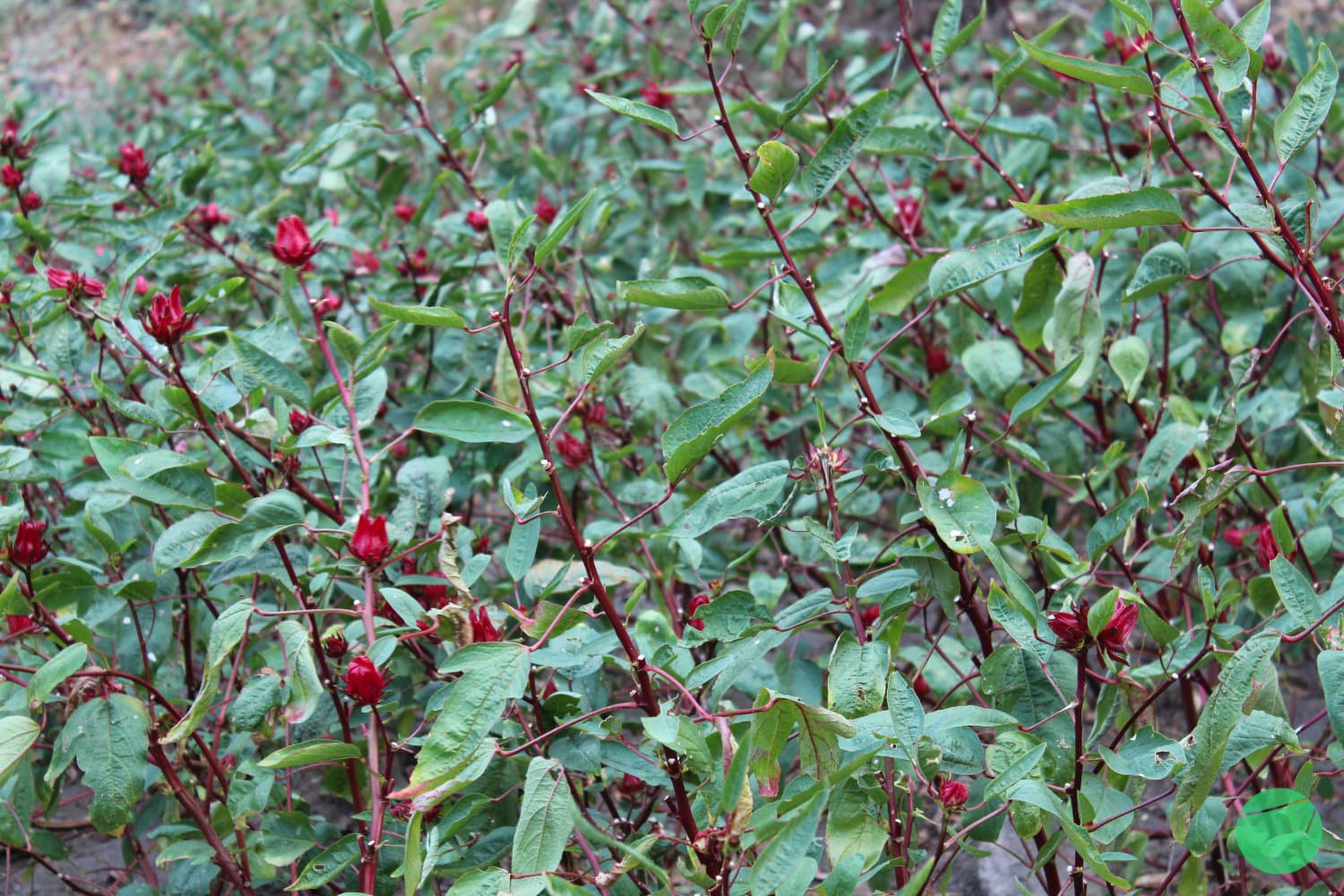
5 Plants That Can Be Used as a Source of Animal Feed
The size of the livestock industry in Indonesia requires a wealth of knowledge about the types and benefits of feed for livestock. This is crucial to maintaining the industry's growth and development and maintaining the regeneration of livestock farmers in balance with scientific developments.
Animal feed is any type of food given to livestock (such as cows, goats, chickens, ducks, sheep, etc.) to meet their nutritional needs for growth, development, production, and health. In principle, animal feed should be nutritionally balanced, including sufficient energy, protein, fiber, vitamins, and minerals, non-toxic, and easily digestible.
In general, animal feed consists of three types, namely:
1. Green Forage -- in the form of grass, leaves, legumes (such as lamtoro, kaliandra, and gamal). Green fodder is the main source of fiber, especially for ruminants (cows, goats, and sheep)..
2. Concentrated Feed -- In the form of grains (such as corn, soybeans, and wheat), rice bran, coconut or soybean meal. Concentrate feed is a source of energy and protein to support growth and production (meat, milk, and eggs).
3. Additional Feed (Supplements) -- in the form of minerals, vitamins, and probiotics. This type of feed is needed in small amounts to maintain growth and productivity..
As a country rich in biodiversity, plants growing locally can be used as inexpensive and readily available green fodder. However, knowledge of which plants can be used as animal feed is still necessary to maintain nutritional balance in livestock.
Here are some plants that can be used as a source of animal feed..
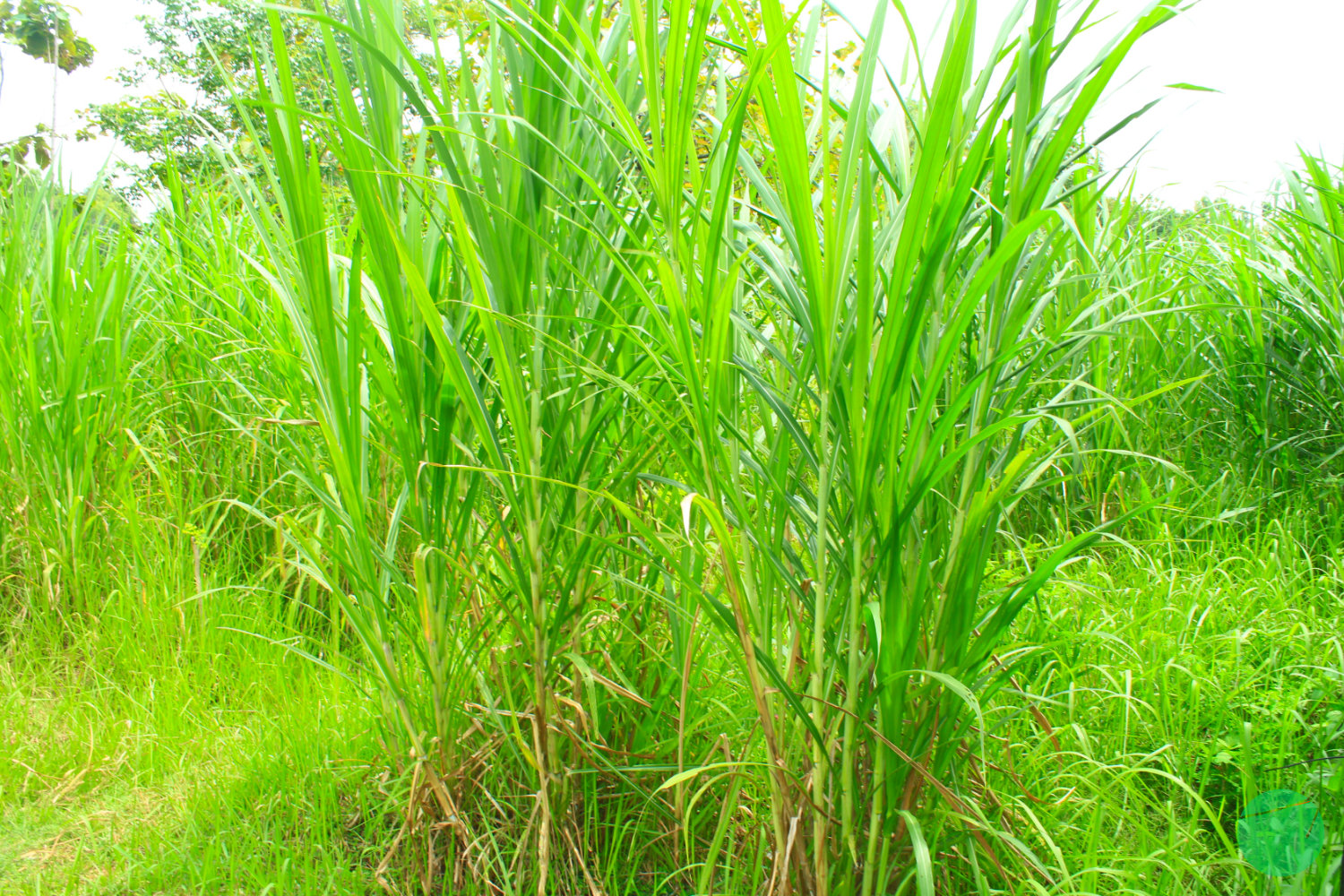
1. Super Napier Grass/Pakchong
Super Napier Grass, or Pakchong, is a superior, thornless grass variety that can grow up to 5 meters tall. This grass can be mowed 7 to 8 times a year. If Pakchong is cultivated per hectare on a single plot, approximately 18 to 200 metric tons of the succulent green grass can be obtained annually (March et al.). Cultivating this grass on one hectare of land can easily meet the year-round demand for raw grass for 20 to 22 cows.
Another characteristic of Pakchong grass is its longevity, with a growth period of up to 9 years and a harvestable yield every 40 to 50 days. This grass only needs to be watered once a week during the rainy season (Sariati).
Pakchong grass has a high protein content of 16.45%, higher than odot grass (11.6%) and Taiwan grass (13%). This ratio ensures that livestock will receive adequate nutrition and gain weight quickly during the rearing process. The high protein content of pakchong grass is also crucial for livestock, especially dairy cows, to increase milk production.
Pakchong grass can grow up to 5 meters tall. Its hairless leaves and stems make it highly desirable for livestock.
2. Hairy Indigo (Indigofera hirsuta)
The Indigofera hirsuta plant is an erect, annual herb that can grow up to 1.5 meters tall. However, it generally spreads as a low-growing ground cover plant. This plant can grow on bare ground, unfertilized soil, or in dry and moist soil conditions. In Indonesia, it can be found as an agricultural weed.
Indigofera hirsuta was widely introduced as a ground cover and forage crop, but is now considered a weed, especially in agricultural land. This plant was cultivated as a green manure in Bogor, West Java, Indonesia, in the 19th century and was also introduced for cultivation in Malaysia in 1913 (Marianne Jennifer Datiles & Acevedo‐Rodríguez, 2022).
In Indonesia, species of the Indigofera genus are widely used as goat feed and as textile dyes, especially for batik.
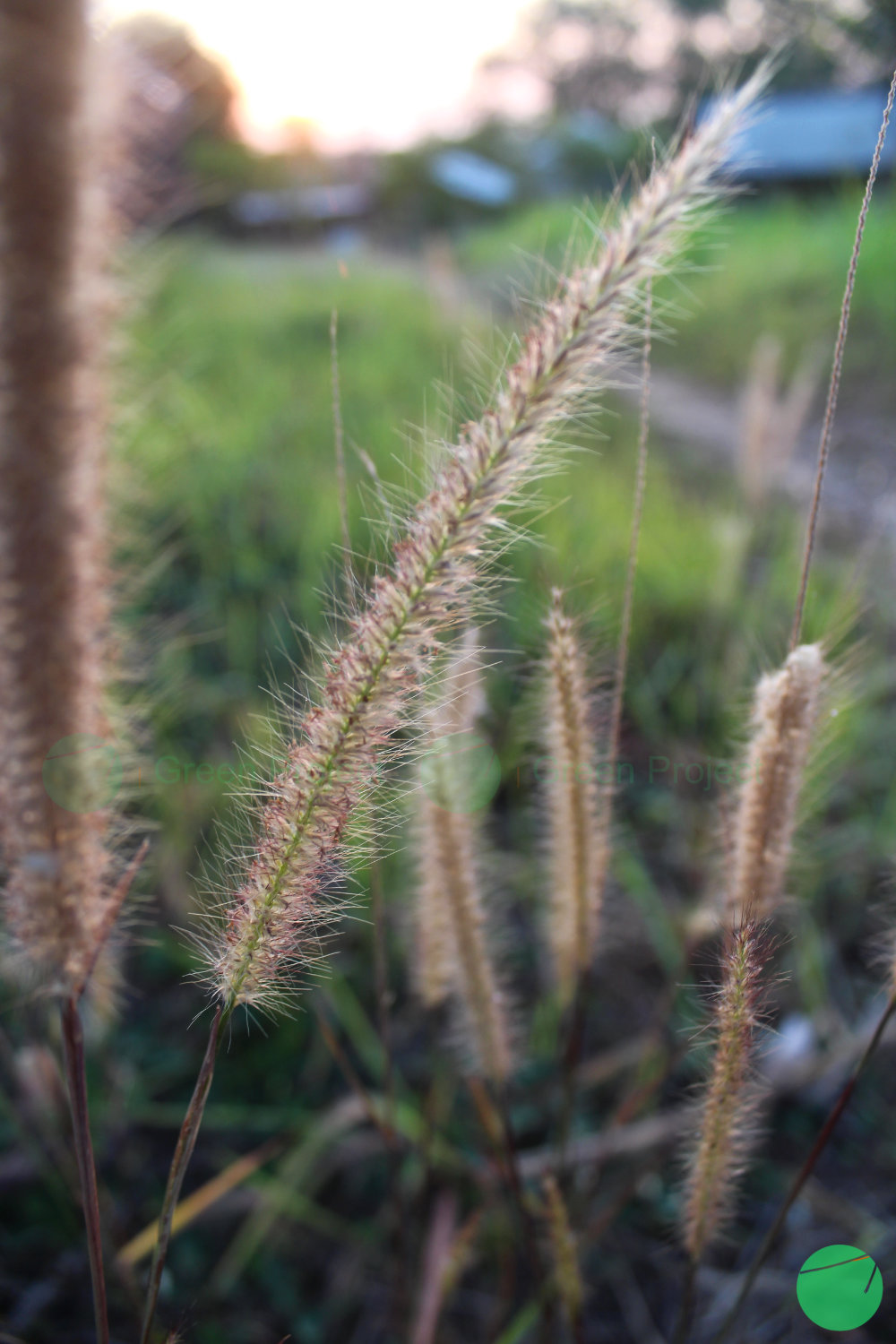
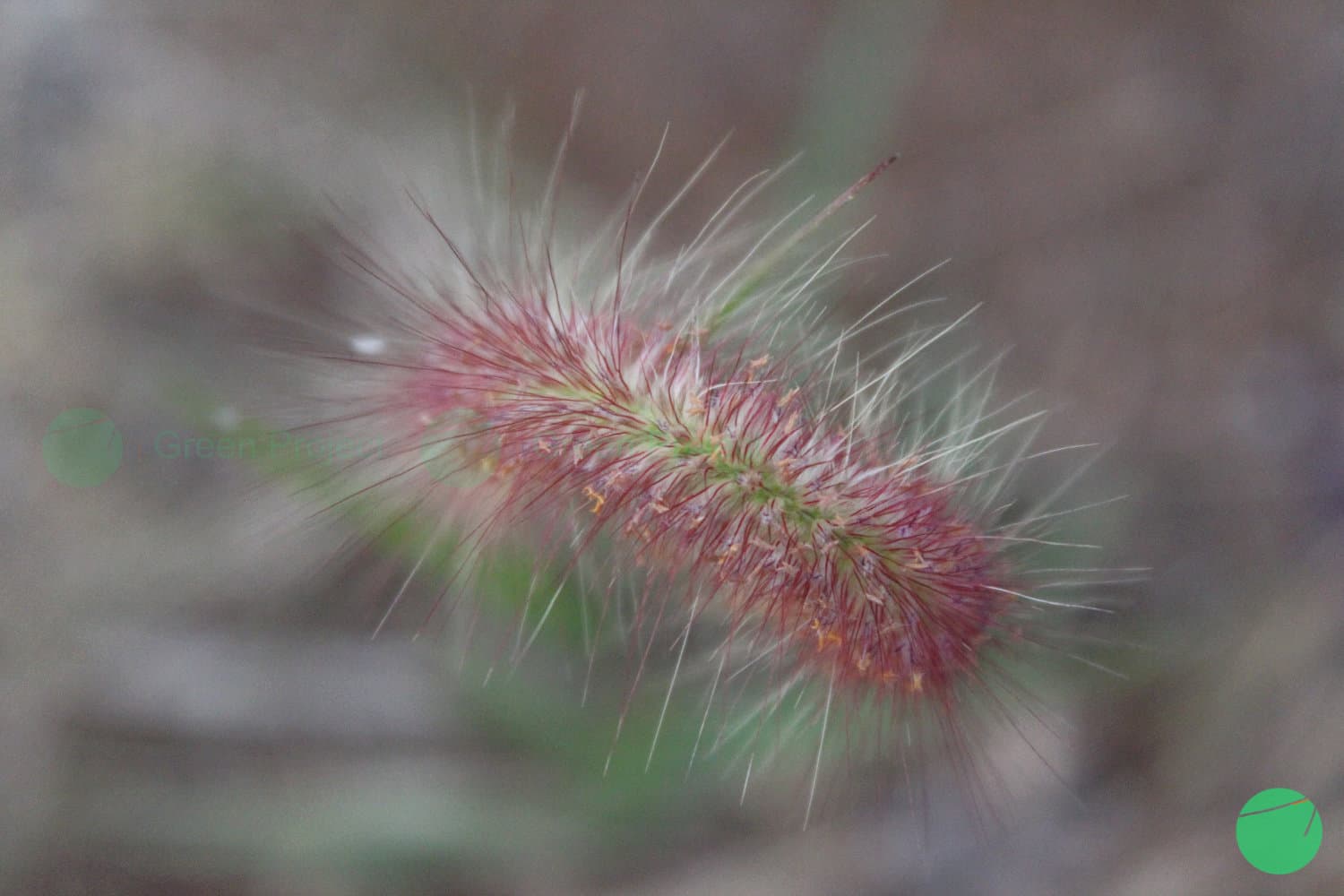
3. Desho Grass (Pennisetum pedicellatum)
Desho grass is a fairly aggressive weed. It commonly attacks agricultural land in tropical regions, where dense and massive infestations can force the abandonment of entire fields. This plant spreads rapidly and is difficult to control.
Desho grass is a perennial herbaceous grass with a large root system that anchors the soil. This plant has a high biomass production capacity and grows upright, reaching a height of 90 to 120 cm depending on soil fertility.
Although it has been declared an invasive weed, especially in the Americas, desho grass is widely used as animal feed in Ethiopia. According to Bimrew Asmare (2017), desho grass is one of the potential forage grasses available in Ethiopia, potentially providing large quantities of quality forage or feed for both smallholder farmers and intensive livestock production systems with appropriate management practices.
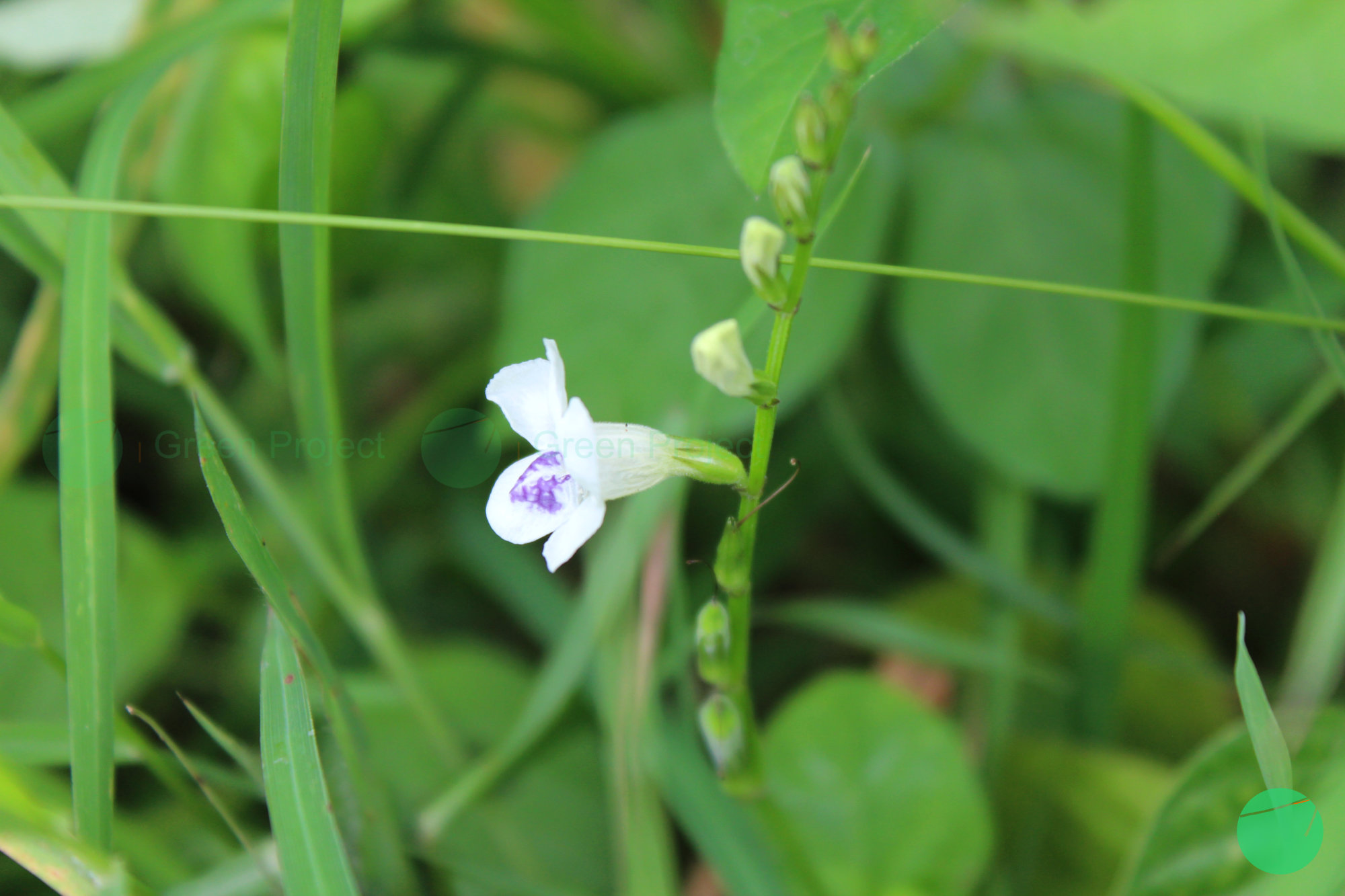
4. Chinese Violet (Asystasia gangetica)
Chinese violet is an upright, perennial climbing plant that can grow up to 1 to 3 meters in length. This plant has rectangular, green stems.
Chinese violet is commonly found along roadsides, disturbed areas, cultivated areas, riverbanks, and semi-waterlogged areas. This species spreads through its seeds and rhizomes.
Research conducted by Khalil (2016) found that the nutrient and crude mineral content of Asystasia gangetica indicates that this species is a good source of protein and minerals, particularly Ca, P, Cu, Mn, and Zn. The conclusion is that this species can be used as a good supplementary material for goats due to its protein and mineral content.
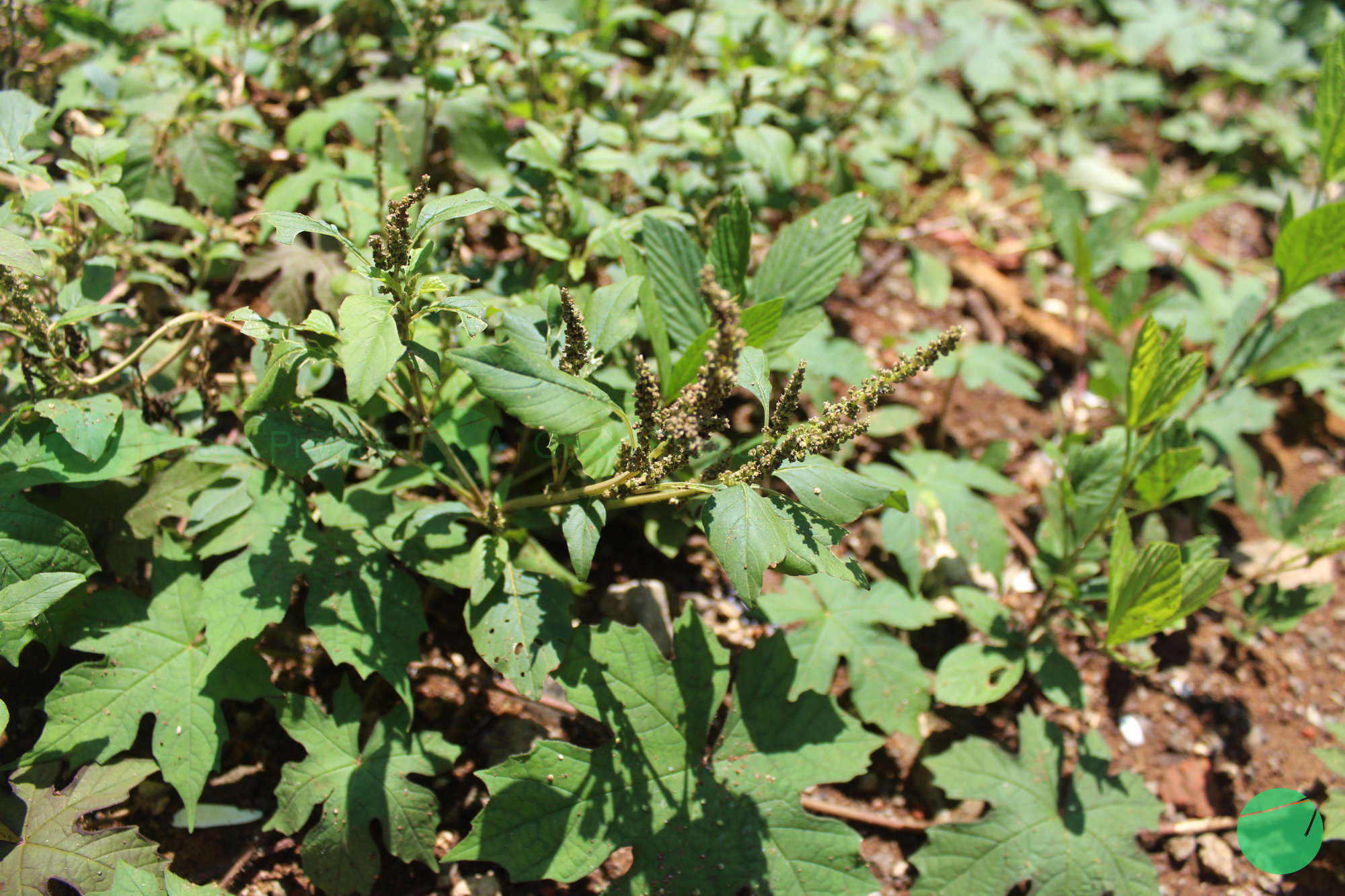
5. Slender Amaranth (Amaranthus viridis)
Slender amaranth, also known as small spinach in Indonesia, is scientifically known as Amaranthus viridis in Latin. Slender amaranth is an annual herb that can grow up to 100 cm in height.
This species shares many similarities with other species in the Amaranthus genus. However, it is characterized by its small perianth segments and wide, rough-textured capsule.
Slender amaranth is widely used as animal feed, medicinal ingredients, and as a human food. According to a report by Ghifari (2023), slender amaranth contains high levels of iron and several secondary metabolite compounds, such as flavonoids, antioxidants, and phenolics, which are beneficial for degenerative diseases.
Bibliography
March, Ron Burke, et al. "Super Napier Grass / Pakchong " Vetmedicinebd." VetMedicineBD, 13 Mar. 2022, https://vetmedicinebd.com/super-napier-grass-pakchong/.
Sariati, Inang. "Rumput Pakchong , Pakan Hijauan Unggulan Ternak Sapi." Cyber Extension, 21 July 2021, http://cybex.pertanian.go.id/mobile/artikel/99015/RUMPUT-PAKCHONG--PAKAN-HIJAUAN-UNGGULAN-TERNAK-SAPI/.
Bimrew Asmare. (2017). The potential of desho grass (Pennisetum pedicellatum Trin.) for animal feed and land management practices in Ethiopia: A review. Academia.edu. https://www.academia.edu/85746629/The_potential_of_desho_grass_Pennisetum_pedicellatum_Trin_for_animal_feed_and_land_management_practices_in_Ethiopia_A_review
Marianne Jennifer Datiles, & Acevedo‐Rodríguez, P. (2022). Indigofera hirsuta (hairy indigo). CABI Compendium. https://doi.org/10.1079/cabicompendium.28601
Khalil. (2016). Crude Nutrient and Mineral Composition of Asystasia gangetica (L.) as a Predominant Forage Species for Feeding of Goats. Pakistan Journal of Nutrition, 15(9), 867--872. http://repo.unand.ac.id/22755/1/fin3610.pdf
Ghifari, Muhammad Nabil. (2023). Peningkatan Kandungan Zat Besi, Total Fenolik, dan Aktivitas Antioksidan Bayam Hijau (Amaranthus viridis L.) dengan Pupuk Maggot (Black Soldier Fly). Ipb.ac.id. http://repository.ipb.ac.id/handle/123456789/121584