Origin and History of Onions
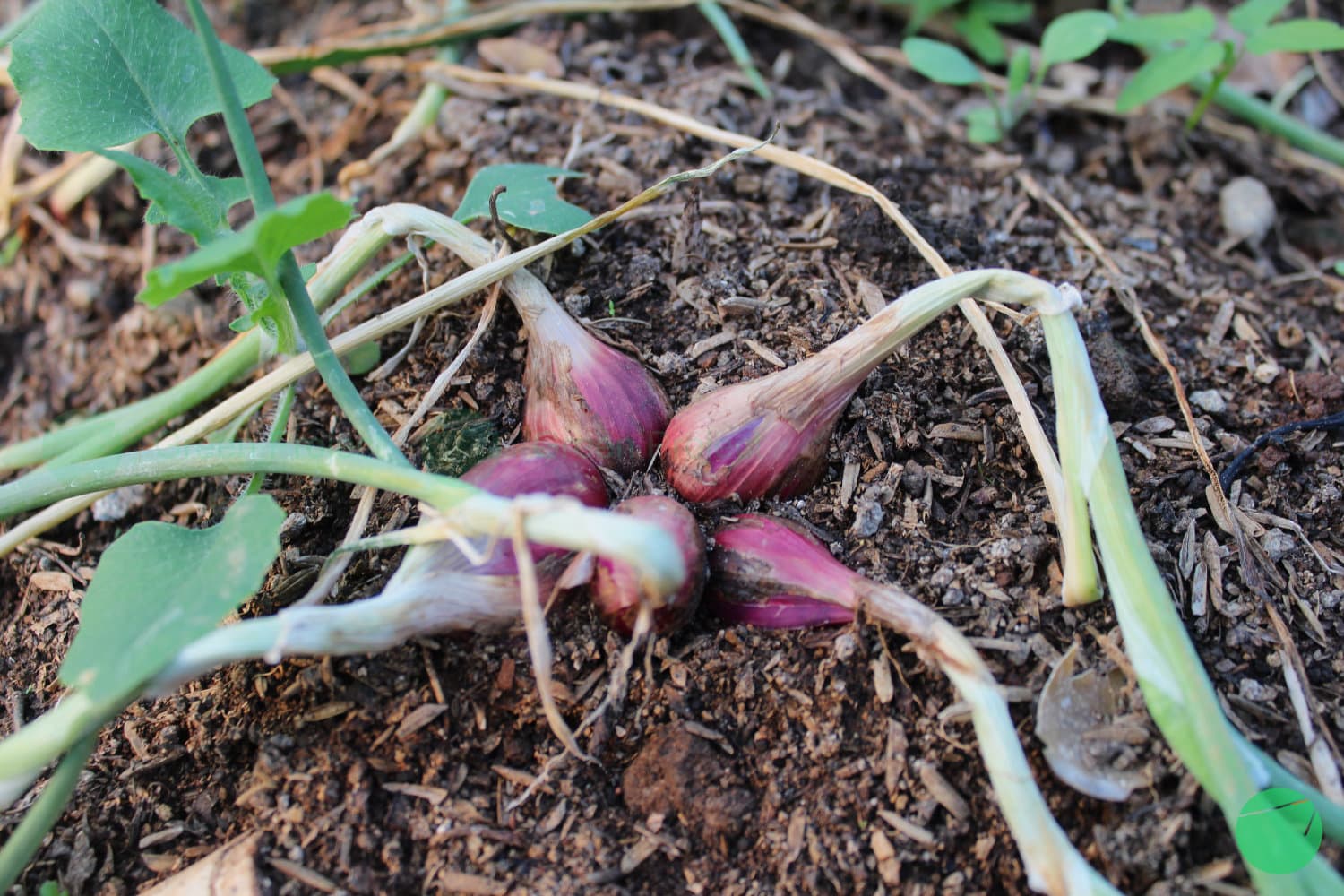
Onions are perennial plants with a fibrous, shallow root system that branches out. The roots can reach a depth of 30 cm below the soil surface, with branches spreading radially up to approximately 30 cm from the stem.
The plant possesses a true stem—referred to as a "discus"—which is thin, short, and disc-shaped; it serves as the attachment point for both the roots and the buds (growing points). Its leaves are slender and cylindrical, capable of reaching lengths of up to 70 cm.
The shallot, a specific variety of the onion plant, is scientifically classified as Allium cepa var. aggregatum. Previously, the Latin name for the shallot was Allium ascalonium—a name derived from its popularity in the medieval city of Ascalon (or the Port of Ascalon) in Palestine, which is known today as the coastal city of Ashkelon, located in the southern district of Israel.
Its common international name in English, "shallot," is derived from the Old French eschalotte (via eschaloigne), which originates from the Latin Ascalōnia caepa, or "Ascalonian onion" (Collins Dictionaries, 2023).
In Indonesia, the shallot is known by various names depending on the local language. In Sundanese, it is called bawang beureum, while in Javanese, it is referred to as brambang (Putrasamedja and Suwandi, 1996).
Onions are among the oldest cultivated plants in the world. They were likely known in India, China, and the Middle East even before recorded history (National Onion Association, 2019).
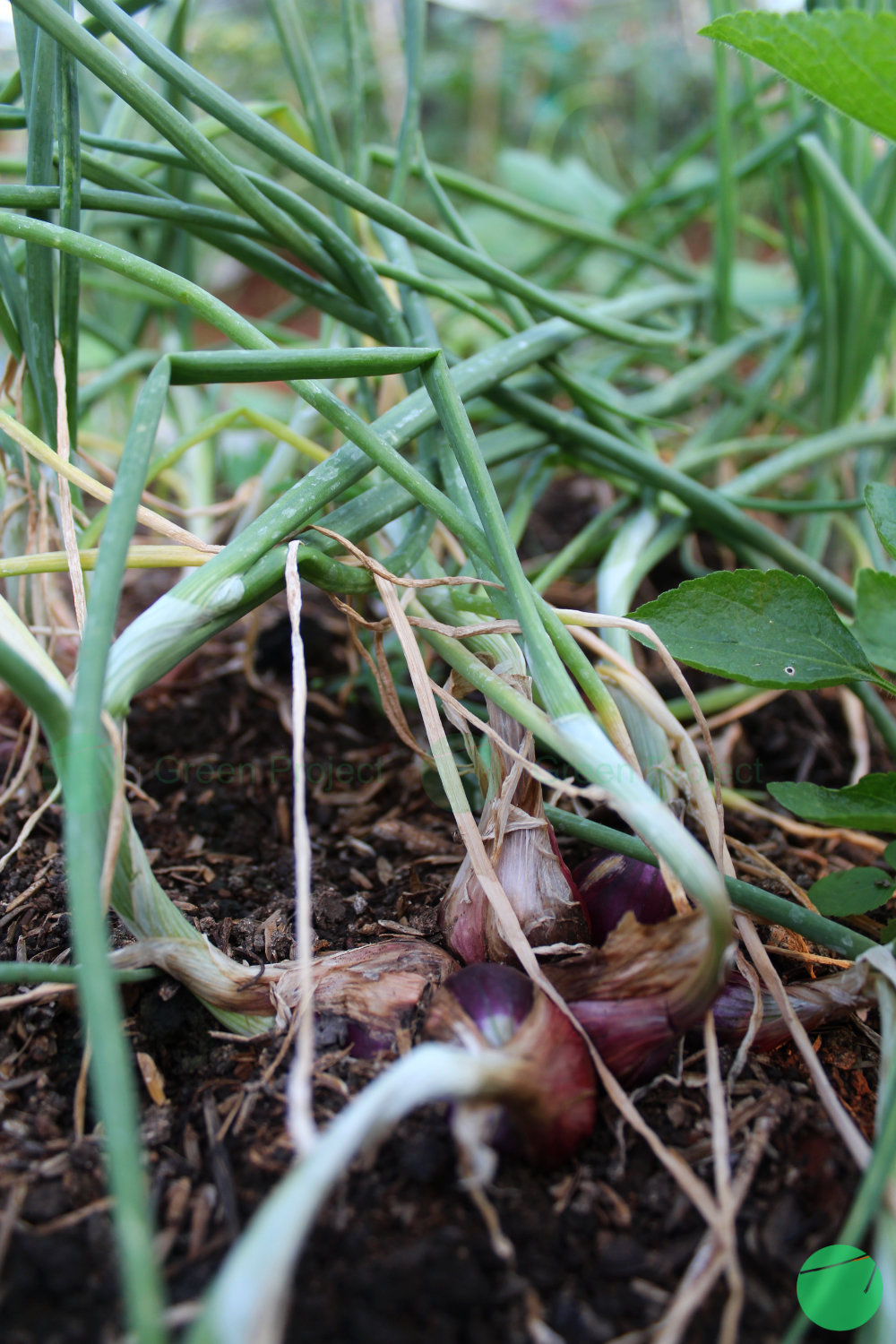
Nevertheless, most botanists and archaeologists agree that onions likely originated in Central Asia approximately 5,000 years ago. Some experts suggest that they first grew in Iran and the western region of Pakistan. Regardless, it is almost certain that onions are now cultivated worldwide—in both tropical and subtropical countries, including Indonesia.
The history of the onion dates back at least to the period between 3200 and 2800 BCE, as evidenced by findings in ancient Egyptian tombs. Later, the onion spread to India around 600 BCE and reached Northern Europe by the early Middle Ages (Yamaguchi, 1983).
The Roman naturalist Pliny the Elder identified the onion as one of six types of onions known to the Greeks in his encyclopedia, Naturalis Historia (Natural History), written in 77 CE. The ancient Egyptians viewed the onion’s bulbous shape as a symbol of the universe; similarly, Aristotle’s concept of concentric cosmic spheres was, at the time, likened to an onion.
Human consumption of onions can be traced back to the Bronze Age, when they served as a staple food in many early civilizations and held great significance in ancient Egypt. Beyond their use as food, the Egyptians revered onions, believing that their concentric rings symbolized eternal life; it is also said that they were frequently buried alongside the dead.
Ancient Greek athletes consumed large quantities of onions, believing they would "balance" their blood and enhance their athletic prowess. Later, following their conquest of Greece, the Romans also consumed onions regularly and applied them to the bodies of gladiators to firm up their muscles (Division of Plant Sciences, 2011).
The Romans are also credited with introducing onions to Britain and the New World. By 1554, shallots were being cultivated in Spain, Italy, France, and Germany. In the 17th century, the Italian physician Baldassare Pisanelli described the shallot as a "delicious food that stimulates the appetite when served hot and is delightful to consume." The cultivation of shallots spread to Britain from France in 1663, and by 1806, they had become a common crop in the Americas (American Botanical Council, 2023). In Sweden, the plant did not begin to spread widely until between 1830 and 1860, although medieval laws suggest that onions had been a part of the daily diet in Sweden since at least the fourteenth century (De Vahl, 2023).
Bibliography
Collins Dictionaries. "Shallot." Collins Dictionaries, www.collinsdictionary.com/dictionary/english/shallot. Accessed 2 Sept. 2023.
De Vahl, Erik. "Historical Cultivars of Allium Cepa L. (Aggregatum-Group) Introduced to Sweden 1830--1860." Genetic Resources and Crop Evolution, Springer Science+Business Media, Apr. 2023, https://doi.org/10.1007/s10722-023-01576-x.
Division of Plant Sciences, plantsciweb@missouri.edu. "Onion: A Brief History (David Trinklein)." Integrated Pest Management University of Missouri, 1 Mar. 2011, ipm.missouri.edu/MEG/2011/3/Onion-A-Brief-History. Accessed 2 Sept. 2023.
National Onion Association. "Onion History - National Onion Association." National Onion Association -, 2 Dec. 2019, www.onions-usa.org/all-about-onions/history-of-onions/#:~
=Many%20archaeologists%2C%20botanists%2C%20and%20food,in%20Iran%20and%20West%20Pakistan.Yamaguchi, Mas. "Alliums: Onion, Garlic, and Others." Springer eBooks, 1983, pp. 184--206. https://doi.org/10.1007/978-94-011-7907-2_17.