6 Benefits of Pinto Peanuts for Soil
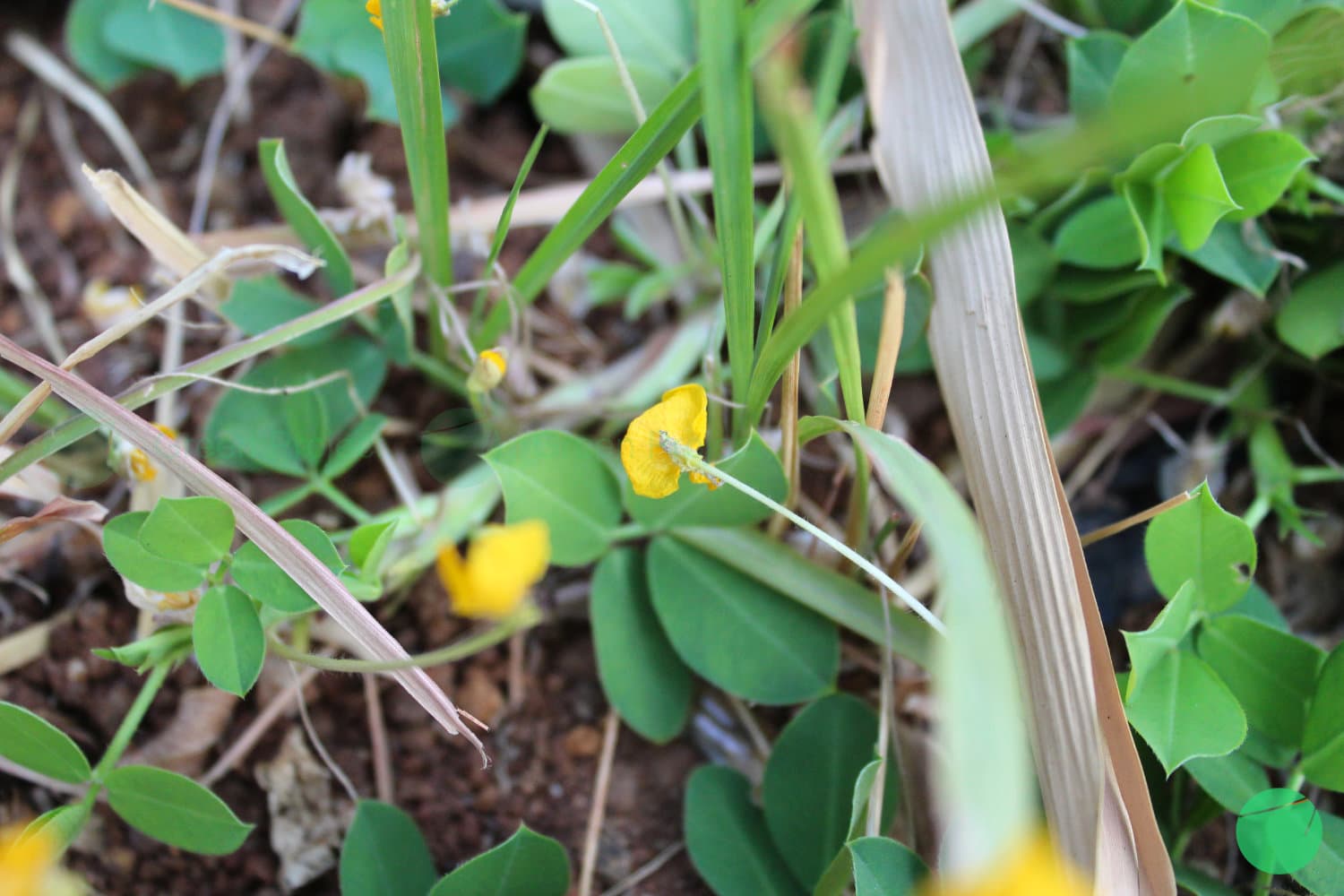
Kacang hias is internationally known as pinto peanut. Scientifically, it is classified as Arachis pintoi.
The genus name, Arachis, is derived from the Greek word for legumes (arakis), while the species name, pintoi, honors the Portuguese explorer and colonial administrator in Africa, Alexandre Alberto da Rocha de Serpa Pinto (1846–1900)—who entered military school at the age of 10 and became the first person to map an accurate route between eastern and western Africa. Despite being commonly referred to as a "peanut," this plant does not produce edible peanuts.
As a member of the genus Arachis, the ornamental peanut is native to South America. It has since been widely distributed across Australia, Argentina, the United States, and more recently, Southeast Asia, Central America, and the Pacific region. Commercial cultivation of the plant is currently practiced in Australia, Costa Rica, Brazil, Colombia, and Honduras (Kartika et al., n.d.).
The ornamental peanut is a low-growing ground cover that typically reaches no more than 20 cm in height. It can thrive in sandy or clay soils, tolerate flooding, and grow well even under dense shade. Furthermore, it is capable of surviving in areas with an annual rainfall of approximately 1,000 mm or less, and can endure dry seasons lasting 3 to 4 months.
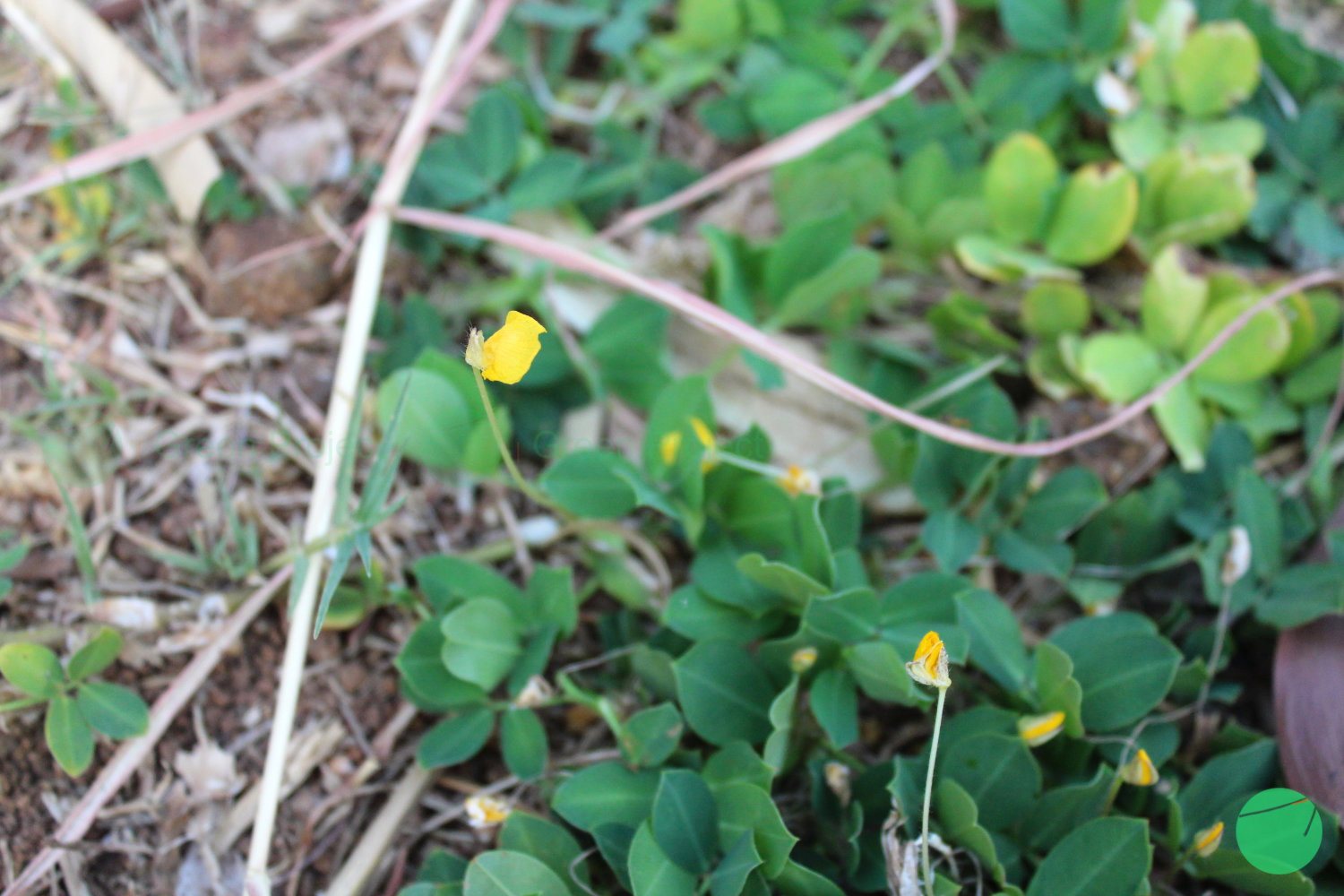
Based on several scientific studies conducted on this plant, it has been found that ornamental legumes offer numerous benefits for soil health. Consequently, their use is highly recommended, particularly within the plantation sector.
The benefits of ornamental legumes for soil health include the following:
- They act as nitrogen-fixing legumes.
- They are effective in reducing soil erosion.
- They can create a dense ground cover.
- They help in the restoration of degraded areas.
- They possess high nutritional value and a low fiber content.
- They can improve soil moisture and porosity.
Farmers and researchers commonly use ornamental legume plants as living ground cover in vegetable production, orchards, and plantations.
Given the various benefits these ornamental legumes provide—particularly for soil health—there is significant potential to utilize them as an alternative for reducing the reliance on chemical fertilizers within the agricultural and plantation sectors.
Bibliography
Kartika, J., Susila, A., & Reyes, m. (n.d.). Review of Literature on Perennial Peanut (Arachis pintOl) as Potential Cover Crop in the Tropics. Retrieved October 8, 2023, from https://repository.ipb.ac.id/jspui/bitstream/123456789/33099/5/PRO2009_JGK.pdf

