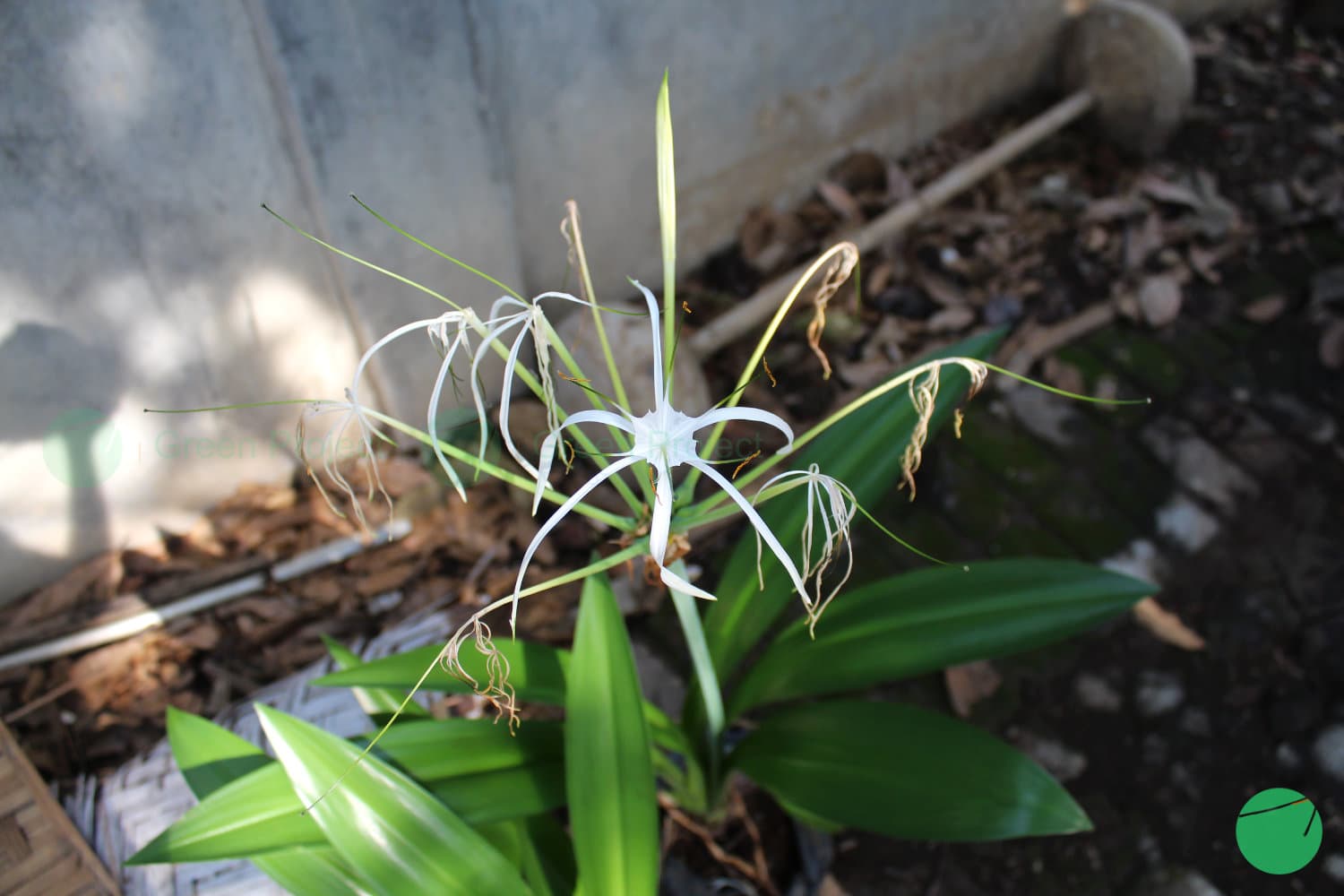
ZZ Plant (Zamioculcas zamiifolia)

Name
The scientific name for the dollar tree (pohon dollar) is Zamioculcas zamiifolia. In English, it is popularly known as the ZZ plant, Zanzibar gem, or aroid palm.
The species name, Zamioculcas zamiifolia, refers to its leaves, which resemble those of the Zamia genus—even though Zamia is an entirely unrelated genus.
Taxonomy
| Kingdom | Plantae |
|---|---|
| Phylum | Tracheophyta |
| Class | Magnoliopsida |
| Order | Alismatales |
| Family | Araceae |
| Genus | Zamioculcas |
| Species | Zamioculcas zamiifolia |
Origin
The ZZ plant is native to East Africa, a region that encompasses Kenya, KwaZulu-Natal, Malawi, Mozambique, Tanzania, and Zimbabwe. (Zamioculcas Schott | Plants of the World Online | Kew Science, 2023).

Morphology
The zz plant (Zamioculcas zamiifolia) is a slow-growing, perennial herbaceous plant that can reach a height of approximately 60 cm. Its most notable characteristic is its glossy, shiny foliage. The plant features fleshy, rounded rhizomes that store water, making it highly drought-tolerant (Zamioculcas zamiifolia (Aroid Palm, Emerald Palm, Eternity Plant, Zanzibar Gem, Zuzu Plant, ZZ Plant) | North Carolina Extension Gardener Plant Toolbox, 2023).
The leaves are generally broad and thick, measuring between 5 cm and 7 cm in length, and are typically dark green in color.
The ZZ plant can also produce flowers—specifically, cream-colored spathes that resemble lilies. These are small and usually remain hidden near the base of the plant (Balogh, 2022).
As an ornamental plant, it should be kept in a shaded area and planted in well-draining organic or sandy soil. The ZZ plant is considered a "low-maintenance" species; it does not require daily watering, and because it can store nutrients within its roots, it does not need frequent fertilization.
Although the ZZ plant has been botanically recognized since 1892, its widespread popularity is a relatively recent phenomenon, emerging only within the last few decades—thanks to Dutch growers who took on the challenge of cultivating it in 1996 (Zamioculcas zamiifolia, 2016).
The ZZ Plant as a Poisonous Plant
The zz plant is commonly used as an ornamental plant, largely due to how easy it is to care for. It is not recommended for consumption—whether for medicinal or dietary purposes—as all parts of the plant are known to be toxic.

Chewing or swallowing parts of the plant can cause a burning sensation and swelling of the lips, mouth, tongue, and throat. Contact dermatitis may also occur in sensitive individuals (Queensland Poisons Information Centre, 2023). Nevertheless, the toxins present in this plant are generally believed to cause only allergic-type symptoms and are not considered fatal.
The plant produces the same substance found in human kidney stones: calcium oxalate. This substance takes the form of crystals with sharp edges. It is this characteristic that causes skin irritation upon contact with the plant's sap, and internal tissue irritation if the plant is ingested (Is a ZZ Plant Poisonous? (and How to Grow Them Safely) - Smart Garden Guide, 2019).
Bibliography
ACIR Community. (2023). Usda.gov. https://acir.aphis.usda.gov/s/cird-taxon/a0ut0000000rBZOAA2/zamioculcas-zamiifolia
Balogh, E. A. (2022, March 18). ZZ Plant - How to grow & care for Zamioculcas zamiifolia. GardenDesign.com. Retrieved December 3, 2023, from https://www.gardendesign.com/houseplants/zz-plant.html
Is A ZZ Plant Poisonous? (And How To Grow Them Safely) - Smart Garden Guide. (2019, July 22). Smart Garden Guide. https://smartgardenguide.com/is-a-zz-plant-poisonous/
Queensland Poisons Information Centre. (2023, July 24). Zanzibar gem (Zamioculcas zamiifolia). Queensland Poisons Information Centre. https://www.poisonsinfo.health.qld.gov.au/plants-and-mushrooms/zanzibar-gem-zamioculcas-zamiifolia
Zamioculcas Schott | Plants of the World Online | Kew Science. (2023). Plants of the World Online. https://powo.science.kew.org/taxon/urn:lsid:ipni.org:names:2950-1
Zamioculcas zamiifolia (Aroid Palm, Emerald Palm, Eternity Plant, Zanzibar Gem, Zuzu Plant, ZZ Plant) | North Carolina Extension Gardener Plant Toolbox. (2023). Ncsu.edu. https://plants.ces.ncsu.edu/plants/zamioculcas-zamiifolia/
Zamioculcas Zamiifolia. (2016). The Joy of Plants. https://www.thejoyofplants.co.uk/zamioculcas-zamiifolia