Chili Pepper (Capsicum)
Name
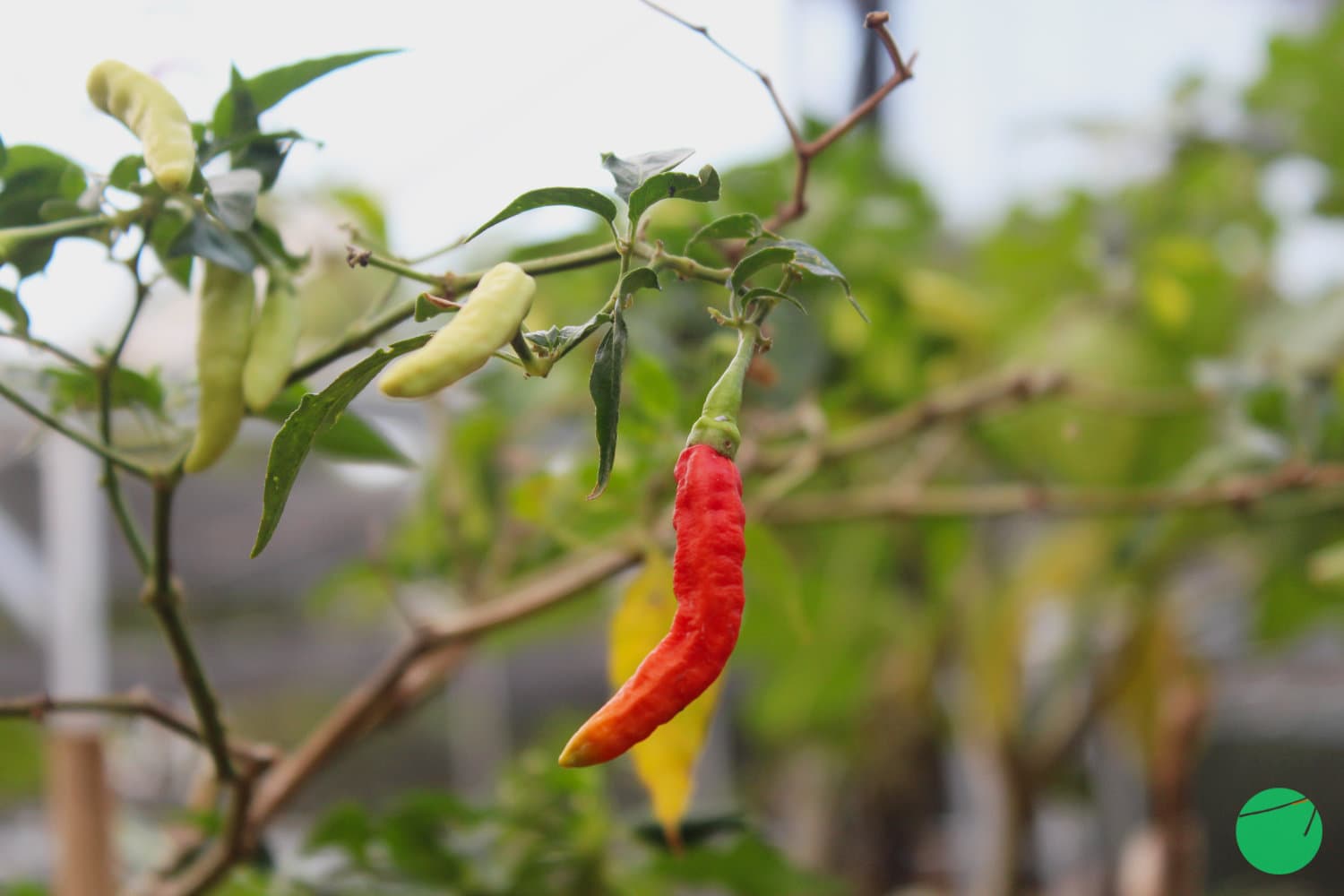
Capsicum atau yang lebih dikenal dengan nama cabai di Indonesia secara internasional dikenal sebagai chili pepper atau chile pepper.
Origin
Chili peppers are known to have originated in South America—specifically, in the region that is now the nation of Bolivia—as early as 7,500 BCE. This makes them the oldest cultivated crop in the Americas, with cultivation spreading from Mexico and Bolivia to the Amazon.
Other sources suggest that chili peppers originated in the lowlands of Brazil, appearing as small, red, berry-like fruits. This area is referred to as the "nuclear zone" and contains the greatest diversity of wild chili pepper species in the world. Scientists believe that birds were primarily responsible for dispersing wild chili peppers beyond this "nuclear zone." Over centuries, birds developed a symbiotic relationship with the plants; they lack the oral receptors that detect "heat," and their digestive systems do not damage the chili seeds (The Story of Chile Peppers | New Mexico State University - BE BOLD. Shape the Future.).
Christopher Columbus is credited with introducing the plant from South America to Europe. Meanwhile, Portuguese traders were the first to spread the plant further via spice trade routes. It was the Portuguese who introduced chili peppers to India toward the end of the 16th century CE.
Morphology and Types of Chili Species
Chili peppers are fruit-bearing plants that exhibit a wide variety of colors, sizes, shapes, and flavors. In general, chili peppers are typically red or green. They contain capsaicin, a compound responsible for their characteristic spicy, pungent taste.
Several types within the chili pepper genus include:
Capsicum annuum – this group includes bell peppers, bird's eye chilies, jalapeños, chiltepins, and all varieties of New Mexico chilies.
Capsicum chinense – this group includes habaneros, ghost chili peppers, datil peppers, and Scotch bonnets.
Capsicum frutescens – this group includes malagueta, Tabasco, Thai chilies, piri-piri, and the Malawi Kambuzi.
Capsicum baccatum – this group includes South American aji peppers.
Capsicum pubescens – this group includes the South American rocoto.
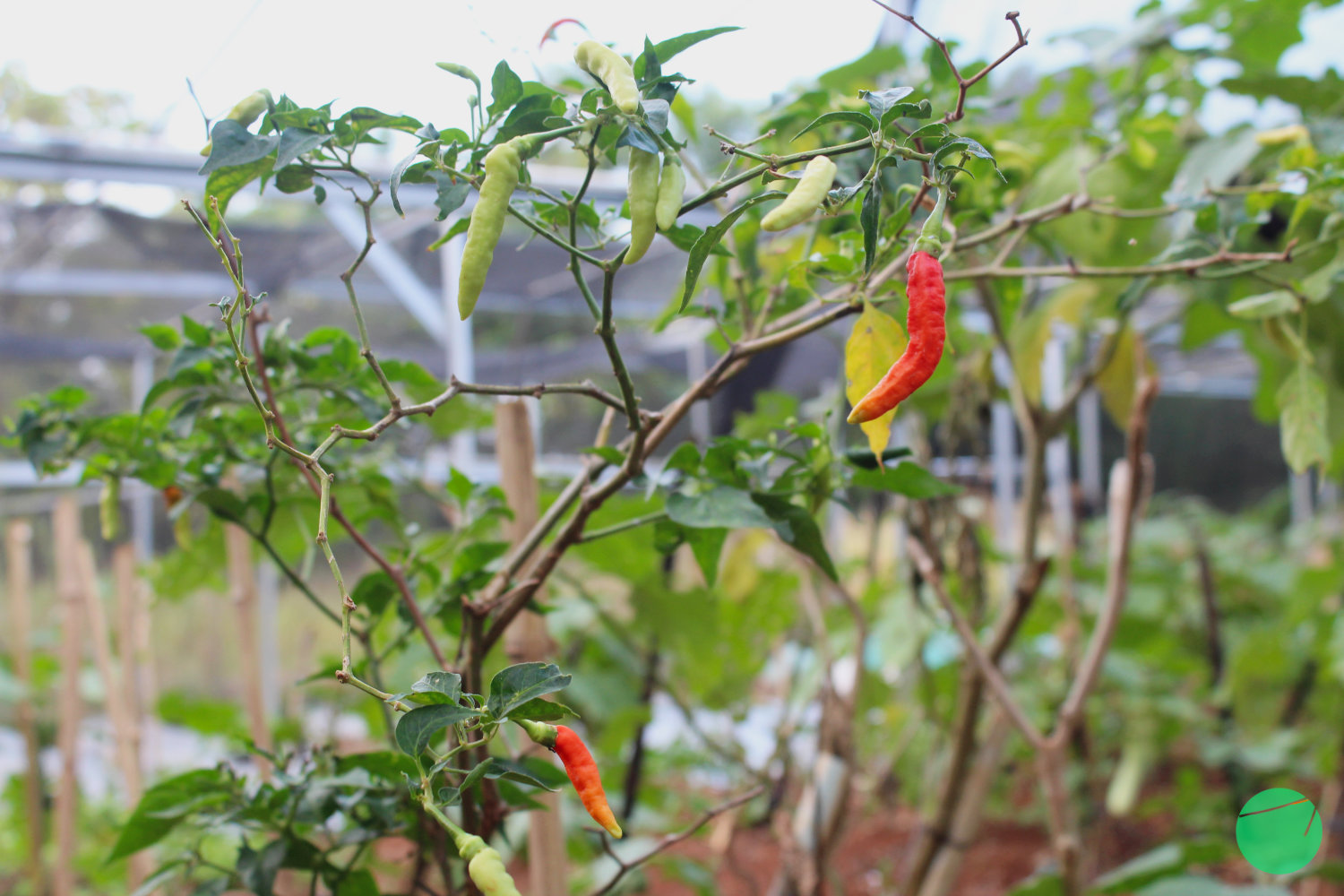
The most common species of chili pepper cultivated are cultivars of Capsicum annuum, including bird's-eye chilies, jalapeños, serranos, and Thai chilies. Meanwhile, some of the spiciest chilies are cultivars of C. chinense—such as habaneros, Carolina Reapers, and ghost peppers (or bhut jolokia)—though the Tabasco pepper is a cultivar of C. frutescens (The Editors of Encyclopaedia Britannica, "Chili Pepper | Spicy Heat, Capsaicin, Cultivation").
Peru possesses the greatest diversity of cultivated Capsicum varieties, as it served as a center of diversification where varieties from all five domesticated species were introduced, grown, and consumed during the pre-Columbian era.
The Use of Chili Peppers in Culinary Culture
Chili peppers are a type of produce easily found in many countries around the world. They can be consumed fresh or dried and processed into chili powder. In Indonesia, chili peppers are an almost constant presence in every dish, particularly in the regions of Java and Sumatra.
Chili Industry
According to data from the Food and Agriculture Organization of the United Nations, as of 2021, Indonesia ranked fourth globally as a producer of green chilies, followed by Spain, the United States, and Nigeria. Meanwhile, China, Mexico, and Turkey held the first, second, and third positions, respectively.
Health Benefits of Chili Peppers
According to an article by Atli Arnarson, chili peppers—which are botanically classified as fruits—contain several nutrients that are beneficial for health, including vitamins A, C, B6, and K1, as well as potassium, iron, and fiber.
When consumed appropriately, the nutrients found in chili peppers can assist with weight loss, pain relief, and the management of heart disease (WebMD Editorial Contributors, "Health Benefits of Chili, Chili Peppers, and Chili Powder").
Bibliography
---. "Chili Pepper | Spicy Heat, Capsaicin, Cultivation." Encyclopedia Britannica, 13 July 2023, www.britannica.com/plant/chili-pepper.
BSc, Atli Arnarson, PhD. "Chili Peppers 101: Nutrition Facts and Health Effects." Healthline, 13 May 2019, www.healthline.com/nutrition/foods/chili-peppers.
Food and Agriculture Organization of the United Nation. "Crops and Livestock Products." Food and Agriculture Organization of the United Nation, 24 Mar. 2023, www.fao.org/faostat/en/#data/QCL/visualize. Accessed 25 July 2023.
GoToChef. 2 May 2018, www.justgotochef.com/ingredients/chili-pepper.
The Story of Chile Peppers | New Mexico State University - BE BOLD. Shape the Future. cpi.nmsu.edu/chile-info/for-kids-pages/the-story-of-chile-peppers.html.
WebMD Editorial Contributors. "Health Benefits of Chili, Chili Peppers, and Chili Powder." WebMD, 4 Jan. 2014, www.webmd.com/diet/health-benefits-chili-peppers.